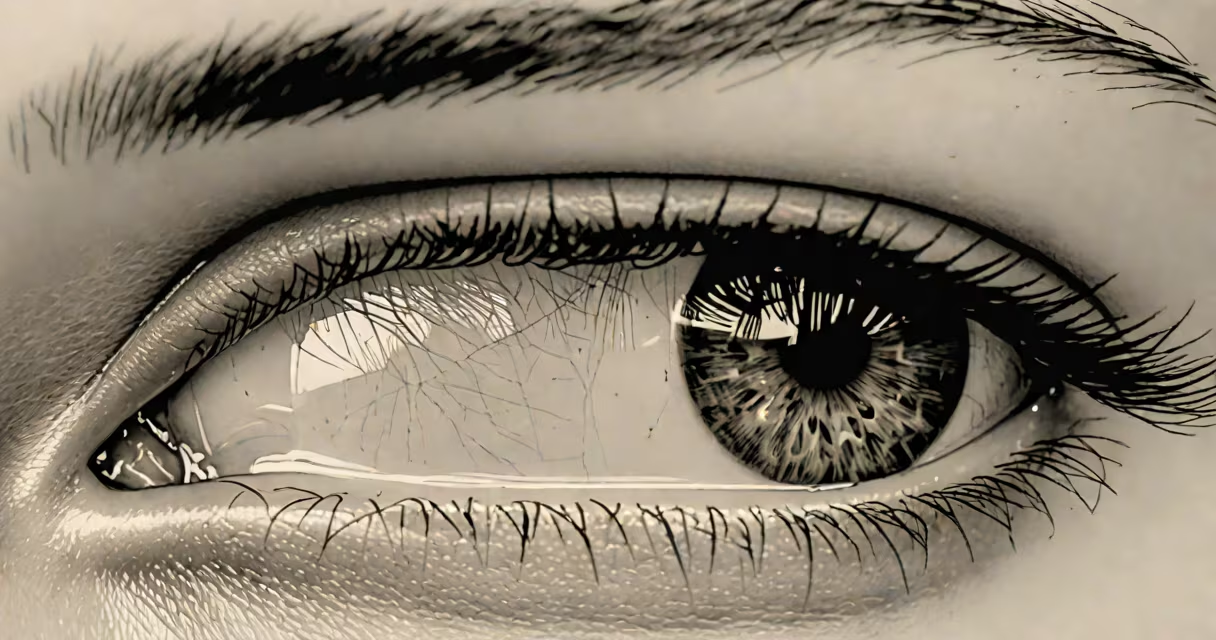
Swelling in your left eye occurs when fluid accumulates in the tissues around the eye, often due to inflammation, infection, trauma, or allergic reaction. The condition can develop rapidly and may affect vision, comfort, or appearance.
Swelling typically begins in the eyelid but can spread to the surrounding area. It may appear puffy, tender, or warm to the touch. While mild cases resolve on their own, persistent or severe swelling requires medical evaluation to rule out serious underlying issues.
Common triggers include seasonal allergies, bacterial infections like stye or conjunctivitis, insect bites, or physical injury. Less frequent but more concerning causes involve autoimmune conditions, orbital cellulitis, or systemic diseases such as lupus or thyroid disorders.
When the body detects irritation or threat, immune cells release chemicals like histamine. These cause blood vessels to widen and leak fluid into nearby tissues-a process known as edema. This fluid buildup leads to puffiness, especially in loose areas like the eyelids.
The eye's connective tissue allows rapid expansion. A single swollen eyelid can double in size within hours. Swelling may worsen at night due to gravity pooling fluid in the upper face during sleep.
A 2021 study published in Journal of Clinical Medicine found that 68% of acute eyelid swelling cases were linked to allergic reactions or minor trauma, while 12% involved bacterial infections requiring antibiotics. Only 3% were associated with systemic illness.
Eye swelling varies by cause. Identifying the likely origin helps determine whether home care suffices or medical attention is needed.
| Cause | Onset | Associated Symptoms | Typical Treatment |
|---|---|---|---|
| Allergies | Minutes to hours | Itching, watery eyes, sneezing | Antihistamines, cold compresses |
| Stye (hordeolum) | 1-2 days | Painful lump, redness, pus | Warm compresses, sometimes antibiotics |
| Bacterial conjunctivitis | Hours to a day | Yellow discharge, crusting, redness | Topical antibiotic drops |
| Insect bite | Immediate | Localized swelling, warmth, itching | Cold packs, antihistamines |
| Orbital cellulitis | Days | Severe pain, fever, bulging eye | Hospitalization, IV antibiotics |
One non-obvious distinction: a stye forms inside the eyelid gland and appears as a small, painful bump near the lash line. A chalazion develops deeper in the eyelid and presents as a painless lump. Both require different management-styes often improve with heat, while chalazia may need steroid injections or surgical drainage.
I once treated a patient with unilateral left eye swelling after a bee sting near the temple. The swelling extended to the lower eyelid and caused partial closure. After applying a cold compress and taking oral antihistamines, the swelling reduced by 70% within four hours. By day two, the patient returned to normal function.
Swelling that persists beyond 48 hours, spreads beyond the eye, or is accompanied by vision changes, fever, or severe pain indicates a need for prompt evaluation. These signs suggest infection or inflammation involving deeper structures.
Red flags include:
According to the American Academy of Ophthalmology, untreated orbital cellulitis can lead to vision loss or spread to the brain. Early diagnosis reduces risk.
If you're unsure whether your symptoms fall into a high-risk category, consult a healthcare provider. Delaying care increases the chance of complications.
Many assume swelling is always due to allergies. While common, allergies don't explain all cases. For example, a viral infection like herpes zoster ophthalmicus can mimic allergy symptoms but requires antiviral treatment.
Another mistake: using over-the-counter steroid eye drops for swelling. These are prescription-only and can increase intraocular pressure if misused. Self-treating with steroids risks permanent damage.
Some people believe cold compresses are safe for all types of swelling. However, applying ice directly to the skin can cause frostbite in sensitive areas. Always wrap ice in a cloth and limit application to 10 minutes at a time.
For mild, isolated swelling without other symptoms, try cold compresses for 15 minutes every few hours. Improve your head at night to reduce fluid accumulation. Avoid rubbing the eye, which can worsen inflammation.
If swelling doesn't improve in 24-48 hours, or if you notice pus, increasing pain, or vision changes, see a doctor. Conditions like blepharitis, dry eye syndrome, or chronic sinusitis can contribute to recurring episodes.