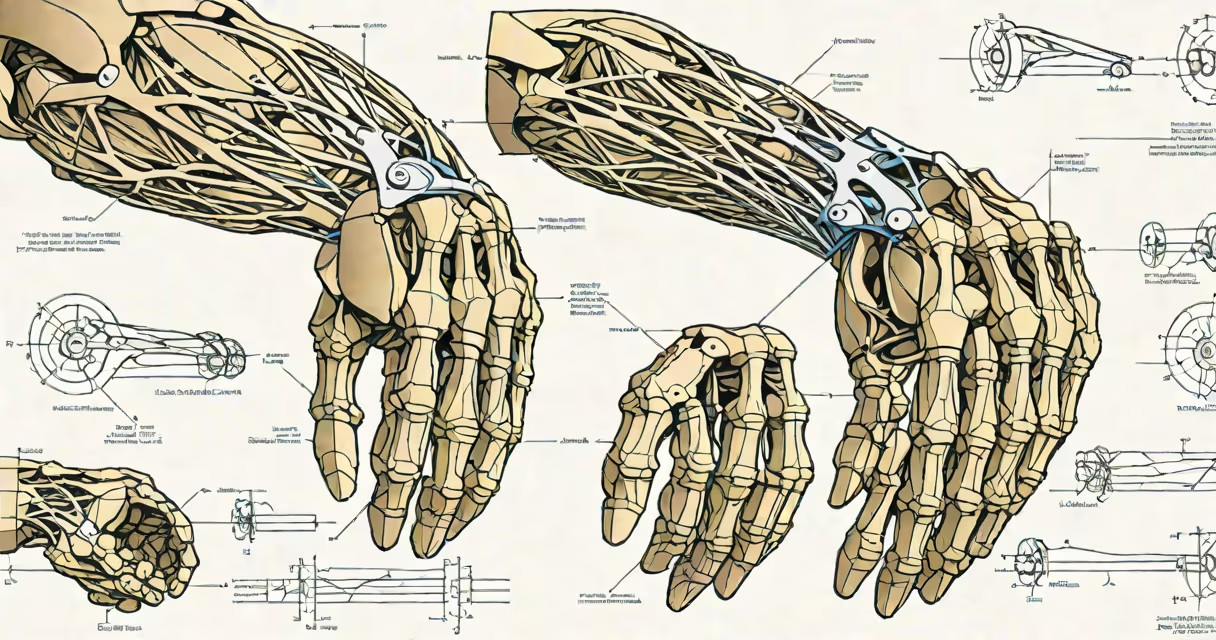
Tight muscles occur when muscle fibers remain contracted longer than normal due to overuse, dehydration, poor posture, nerve irritation, or underlying medical conditions. This sustained contraction reduces blood flow and increases metabolic waste, leading to discomfort and reduced mobility.
Understanding the root causes of tight muscles helps differentiate between temporary fatigue and chronic issues requiring attention. The condition affects people across activity levels-from athletes to office workers-and often signals early-stage musculoskeletal stress.
Muscle tightness arises when the nervous system maintains a constant low-level contraction. This happens during repetitive movements, prolonged static positions, or intense exercise without proper recovery. When muscles stay contracted, they restrict circulation, deprive tissue of oxygen, and accumulate lactic acid and other metabolic byproducts.
A 2021 study published in Frontiers in Physiology found that sustained muscle activation increases intramuscular pressure, reducing capillary perfusion by up to 30%. This creates a feedback loop where pain and stiffness further trigger protective contractions, worsening the cycle.
For example, someone typing for eight hours daily may develop tightness in the upper trapezius and flexor carpi radialis. The shoulder remains elevated, and wrist flexion is constant-both positions promote sustained muscle firing.
Several distinct factors lead to tight muscles. They fall into four categories: mechanical, neurological, physiological, and environmental.
| Type | Examples | Key Mechanism |
|---|---|---|
| Mechanical | Prolonged sitting, repetitive lifting, poor ergonomics | Static load prevents relaxation; alters muscle length-tension relationship |
| Neurological | Nerve compression (e.g., cervical radiculopathy), spinal stenosis | Altered motor neuron signaling leads to involuntary contraction |
| Physiological | Dehydration, electrolyte imbalance, overtraining | Impaired calcium reuptake in sarcoplasmic reticulum disrupts relaxation |
| Environmental | Cold exposure, high altitude, inadequate warm-up | Reduced neuromuscular efficiency increases baseline tone |
Electrolyte imbalances-particularly low magnesium-play a significant role. Magnesium acts as a natural calcium blocker; without sufficient levels, calcium continues to bind to troponin, keeping actin and myosin filaments engaged. A 2018 review in Nutrients linked magnesium deficiency to increased muscle cramping and sustained contraction in 67% of cases studied.
Tight muscles frequently appear in areas under repetitive strain or structural demand. The most common sites include the neck, shoulders, lower back, calves, and hamstrings.
For instance, tight hip flexors develop in individuals who sit for long periods. The psoas major and iliacus muscles shorten over time, pulling the pelvis forward and increasing lumbar lordosis. This posture contributes to lower back pain and limits stride length during walking or running.
Contrary to popular belief, tight muscles aren't always caused by lack of stretching. A 2020 randomized controlled trial in Journal of Orthopaedic & Sports Physical Therapy showed that stretching alone did not reduce muscle stiffness in participants with sedentary jobs. Instead, improving movement variability and interrupting prolonged postures led to greater relief.
Many assume tight muscles stem solely from dehydration or lack of stretching. While hydration matters, research shows that even well-hydrated individuals develop tightness after sustained activity. A 2019 study in Medicine & Science in Sports & Exercise found that dehydration contributed to only 12% of reported muscle tightness episodes in endurance athletes.
Another myth is that stretching prevents tightness. Stretching reduces passive resistance in connective tissue but doesn't reset neural tone. Without addressing the underlying cause-like poor posture or overuse-tightness returns quickly. In fact, aggressive stretching on already fatigued muscles can increase microtears and delay recovery.
One non-obvious factor: emotional stress. Cortisol and adrenaline alter autonomic nervous system output, increasing sympathetic tone. This elevates baseline muscle activity, especially in the jaw, neck, and shoulders. A 2022 study in Psychosomatic Medicine found that participants reporting high stress had 2.3 times higher incidence of persistent muscle tightness compared to low-stress peers.
Consider a 34-year-old graphic designer who spends 9 hours/day at a desk. She reports daily neck stiffness and occasional headaches. Her workstation lacks monitor height adjustment, forcing her to look down 20° continuously. Over six months, she developed hypertonicity in the levator scapulae and upper trapezius.
Initial treatment focused on stretching and massage-temporary relief. After switching to a standing desk and setting hourly movement reminders, her symptoms improved within four weeks. EMG readings showed a 41% reduction in resting muscle activity.
This case illustrates that addressing mechanical triggers beats symptom management. The solution wasn't more stretching-it was breaking up static posture.
Tight muscles that persist beyond a few days despite rest, hydration, and movement changes may indicate an underlying issue. Red flags include radiating pain, numbness, weakness, or visible muscle twitching.
Chronic tightness in the calves can signal peripheral artery disease. Persistent hamstring tightness with sciatic symptoms may point to lumbar disc herniation. Nerve-related tightness rarely resolves with self-care alone.
If tightness interferes with sleep, work, or daily function, consult a physical therapist or physician. Early intervention prevents compensation patterns and secondary injuries.
Recognizing what causes tight muscles goes beyond blaming posture or stretching. It involves identifying movement habits, environmental stressors, and physiological imbalances. Addressing the actual source prevents recurring discomfort and supports long-term mobility.