"Degenerative" describes a condition or process that progressively deteriorates over time, especially in biological systems such as tissues, organs, or neural structures. It indicates a decline in function or structure that worsens rather than improves.
This term is most commonly used in medicine to describe diseases that cause ongoing damage to cells, tissues, or organs. The deterioration is typically irreversible and often leads to loss of function. For example, degenerative joint disease results in the breakdown of cartilage in the hips or knees, leading to pain and reduced mobility.
The root of the word comes from "degenerate," which originally meant to decline in quality or character. In modern usage, particularly in clinical contexts, it has evolved to denote measurable structural or functional decline. According to the National Institute of Neurological Disorders and Stroke (NINDS), degenerative conditions affect nerve cells and lead to impaired motor control, sensation, or cognitive ability.
When a system is described as degenerative, it means the underlying issue is not static-it evolves. Damage accumulates over time due to factors like aging, genetic predisposition, environmental stress, or chronic inflammation. The body's repair mechanisms eventually fail to keep pace with the damage.
In neurology, degenerative processes involve the death of neurons. For instance, in Parkinson's disease, dopamine-producing neurons in the substantia nigra region of the brain gradually die. This leads to tremors, stiffness, and slowed movement. The progression is slow but relentless, with symptoms worsening over months or years.
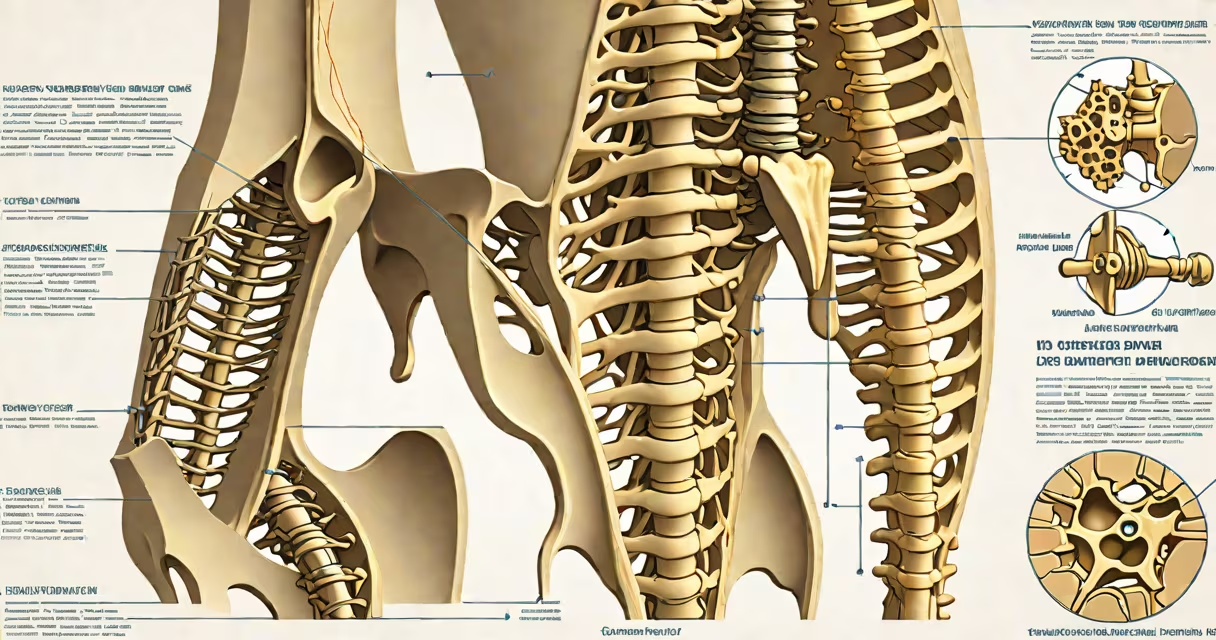
Similarly, in orthopedics, degenerative disc disease occurs when intervertebral discs lose hydration and elasticity. As discs shrink, they provide less cushioning between vertebrae. This increases pressure on joints and nerves, causing pain and reduced spinal flexibility. MRI scans often show visible narrowing of disc spaces in affected individuals.
While "degenerative" applies broadly, it appears most frequently in specific categories:
| Type | Description | Examples |
|---|---|---|
| Neurodegenerative | Progressive loss of structure or function in nervous system cells | Alzheimer's, ALS, Huntington's disease |
| Orthopedic degeneration | Deterioration of bones, joints, or connective tissue | Osteoarthritis, degenerative disc disease |
| Cardiovascular degeneration | Breakdown of heart muscle or blood vessels | Age-related aortic stiffening, fibrosis in heart tissue |
| Retinal degeneration | Loss of photoreceptor cells in the eye | Retinitis pigmentosa, macular degeneration |
Each category shares a core feature: the absence of full recovery. Once structural damage occurs, treatment focuses on slowing progression rather than reversing it.
Many people assume "degenerative" implies immediate or rapid decline. That's incorrect. The term emphasizes progression over time, not speed. A degenerative condition may remain stable for years before symptoms emerge or worsen.
Another misconception is equating "degenerative" with "terminal." Not all degenerative diseases are fatal. Osteoarthritis, for example, causes chronic pain and mobility issues but doesn't shorten life expectancy. According to the American College of Rheumatology, over 32 million adults in the U.S. live with osteoarthritis, many managing symptoms effectively for decades.
A key distinction lies in the difference between degenerative and inflammatory conditions. While both cause tissue damage, inflammation involves immune system activation and swelling. Degenerative processes are often driven by mechanical wear, cellular aging, or protein misfolding-not acute immune responses.
Consider a 62-year-old patient presenting with lower back pain and leg numbness. An MRI reveals a herniated L4-L5 disc with significant narrowing of the spinal canal. The radiologist notes "degenerative changes in the lumbar spine," including loss of disc height, bone spurs (osteophytes), and thickened ligaments.
These findings reflect a 15-year progression. The patient initially experienced mild discomfort during prolonged standing. Over time, disc dehydration reduced shock absorption. Nerve roots became compressed, leading to radicular pain. By the time of diagnosis, the spinal cord's protective environment had eroded-this is degeneration in action.
Treatment focused on physical therapy, anti-inflammatory medication, and epidural steroid injections. Surgery was avoided due to stable neurological status. The goal wasn't reversal but stabilization. This illustrates how degenerative processes are managed: slowing decline, not stopping it entirely.
I once observed a neurologist explain degenerative changes to a patient diagnosed with early-stage multiple sclerosis. The patient asked, "Does this mean my body is breaking down?" The doctor responded, "Yes-but slowly. The term 'degenerative' means we're dealing with a process that unfolds over time. Our job is to delay the next stage, not stop it completely."
That moment clarified something important: degenerative doesn't mean hopeless. It means predictable. And predictability enables planning-medical, lifestyle, and financial.
Though often used interchangeably, "degenerative" and "progressive" are not synonymous. All degenerative conditions are progressive, but not all progressive conditions are degenerative.
For example, cancer can progress rapidly through stages, but it's not degenerative-it's proliferative. Cells multiply uncontrollably, not decay. Conversely, a degenerative condition like retinal detachment involves cell death, not growth.
Understanding this difference prevents misdiagnosis and guides treatment. A progressive autoimmune disorder like rheumatoid arthritis involves ongoing inflammation and joint erosion. While it damages tissue, the mechanism is immune-driven, not inherently degenerative.
Using "degenerative" accurately shapes patient expectations. It signals that recovery is unlikely, but management is possible. Patients who understand this are more likely to engage in preventive care, adhere to medication regimens, and make informed decisions about long-term support.
Healthcare providers rely on this term to communicate severity and prognosis. When a doctor says "this is a degenerative condition," they're indicating that monitoring and intervention will continue indefinitely. There is no cure, only control.
According to the Mayo Clinic, patients with degenerative diseases benefit most from early education. Those who understand the nature of their illness report higher satisfaction with care and better adherence to treatment plans.
The meaning of degenerative centers on irreversible decline over time, especially in biological systems. It applies to conditions ranging from spinal degeneration to Alzheimer's disease. Recognizing this term helps clarify the course of illness, manage expectations, and guide treatment choices.
Understanding degenerative processes is essential for patients, caregivers, and clinicians alike. It's not just a medical label-it's a structure for living with ongoing change.