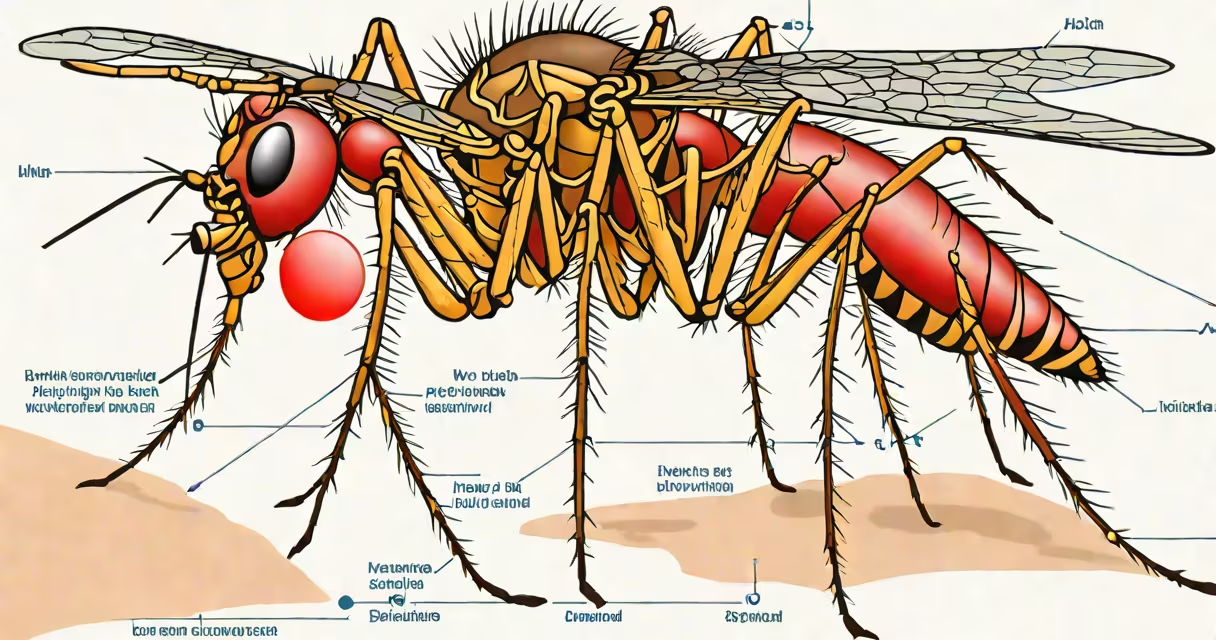
Insect bites typically last between 3 and 7 days, resolving on their own with minimal intervention. The duration depends on the insect, individual immune response, and whether the bite becomes infected or triggers an allergic reaction.
Bites from mosquitoes, fleas, and gnats usually cause mild redness, swelling, and itching that peak within 24 hours and subside within a week. More aggressive insects such as bees, wasps, and certain spiders may cause prolonged reactions lasting up to 10 days or more due to stronger venom or tissue irritation. A 2021 study published in The Journal of Allergy and Clinical Immunology found that 15% of individuals report symptoms lasting beyond 7 days after a biting insect encounter, often linked to hypersensitivity.
Some bites progress beyond the initial phase. If scratching leads to broken skin, bacterial infection can delay healing. Staphylococcus aureus and Streptococcus pyogenes are common culprits in secondary infections, which may extend the healing period to 10-14 days or longer. Persistent swelling, pus, increasing pain, or fever indicate infection and require medical evaluation.
Individual variation plays a major role in how long a bite lasts. Age, immune status, and history of allergies affect the body's response. Children and older adults often experience longer-lasting reactions due to less efficient immune regulation. People with atopic dermatitis or eczema may see bites persist longer due to heightened skin reactivity.
Location matters too. Bites on thin-skinned areas like the face, neck, or hands tend to swell more and take longer to resolve than those on thicker skin, such as the forearm or leg. The face has rich blood supply and lymphatic drainage, which can amplify inflammation. A bite near the eye can cause significant swelling that lasts up to 10 days even without infection.
Environmental exposure also influences recovery. Repeated bites in high-insect-density areas increase antigen load, potentially prolonging the inflammatory phase. In tropical regions, bites from sandflies or black flies may lead to persistent lesions due to the presence of parasitic agents in the saliva. In contrast, bites from non-parasitic insects like houseflies rarely cause prolonged issues.
Reactions fall into three categories: local, systemic, and delayed hypersensitivity. Local reactions are the most common and typically resolve within 7 days. Systemic reactions involve widespread symptoms like fever, fatigue, or joint pain and may last several days to a week. Delayed-type hypersensitivity, seen in some people after bee stings or tick bites, can result in a rash or hive-like swelling that persists for 10-14 days.
| Insect | Typical Duration | Common Symptoms | When to Seek Care |
|---|---|---|---|
| Mosquito | 3-7 days | Red bump, intense itch, minor swelling | Persistent itching past 7 days, signs of infection |
| Flea | 5-10 days | Small red bumps in clusters, severe itching | Lesions spread, develop pus or crusting |
| Spider (non-venomous) | 4-7 days | Localized pain, mild swelling | Pain worsens, blister forms, spreads |
| Bee/Wasp | 7-14 days | Sharp pain, redness, swelling, possible hives | Difficulty breathing, dizziness, swelling beyond site |
One non-obvious fact: the bite itself doesn't always cause the longest discomfort. The immune system's memory response can prolong itching even after the visible lesion has healed. This phenomenon, known as "post-inflammatory pruritus," occurs because nerve endings remain sensitized. It can last up to 2 weeks after the redness disappears.
Many conditions mimic insect bites but have different causes and timelines. Contact dermatitis from plants like poison ivy or oak can resemble bites but often appears in linear patterns and lasts 10-14 days. Heat rash (miliaria) presents as small red bumps in sweat-prone areas and resolves within 3-5 days. In both cases, the absence of a bite mark or puncture site suggests a different origin.
Another common confusion: bedbug bites. These appear in lines or clusters, often on exposed skin during sleep. While they typically last 5-10 days, repeated exposure can trigger prolonged inflammation due to repeated antigen exposure. A 2020 CDC report noted that 30% of individuals with multiple bedbug bites reported symptoms lasting over 14 days, especially if scratched.
I once treated a patient who believed a single mosquito bite caused a persistent rash. After five days of worsening redness and swelling, we discovered a secondary infection. The lesion had progressed from a small red bump to a tender, warm area with pus. Antibiotics cleared it in four days. This case illustrates that while most bites resolve quickly, progression signals a need for action.
For typical bites, cool compresses reduce swelling and itching. Over-the-counter antihistamines like diphenhydramine (Benadryl) or cetirizine (Zyrtec) help control histamine-driven symptoms. Topical hydrocortisone 1% cream applied twice daily for up to 7 days can reduce inflammation and itching. Avoid scratching-this damages tissue and increases infection risk.
If a bite shows signs of spreading redness, warmth, or pus, consult a healthcare provider. Oral antibiotics may be needed for infected bites. For severe allergic reactions-such as difficulty breathing, rapid heartbeat, or swelling of the lips or tongue-seek emergency care immediately. An epinephrine auto-injector (EpiPen) is essential for those with known anaphylaxis history.
Most insect bites last 3 to 7 days. Those involving venomous insects or secondary infection may persist up to 14 days. Individual factors like immune response, location, and scratching behavior influence recovery. If symptoms worsen or fail to improve after a week, seek medical advice. Understanding the timeline helps distinguish normal healing from complications requiring treatment.