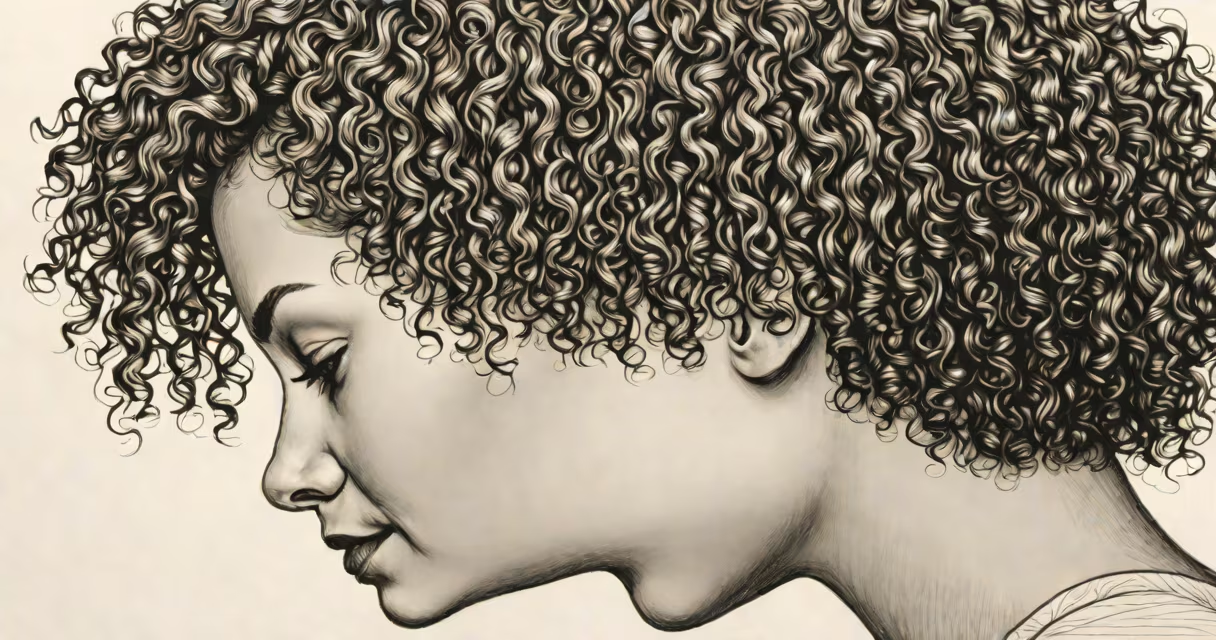
Post chemo hair styles refer to hairstyles designed for individuals whose hair is regrowing after chemotherapy. These styles accommodate fragile, fine, or patchy regrowth while enhancing natural texture and reducing visible thinning.
Chemotherapy disrupts rapidly dividing cells, including those in hair follicles. As treatment ends, hair begins to regrow-often in waves, with varying textures and colors. This phase typically starts 2-6 weeks after the last chemo session, though full regrowth can take 6-12 months. Post chemo hair styles focus on managing this transitional period with low-maintenance, protective techniques.
Styles emphasize scalp protection, minimize manipulation, and show emerging strands. They avoid heavy products, tight pulls, or heat tools that can damage delicate new hair. The goal is comfort, confidence, and minimizing visible gaps during regrowth.
These styles rely on minimal handling and strategic layering. Hair that regrows after chemo often grows in different patterns-some areas may grow faster, others lag. Styles use volume placement, parting tricks, and soft textures to mask unevenness.
For example, a side-part with layered bangs creates visual balance. The longer layers fall over thinner spots, drawing attention away from sparse areas. A loose wave or curl enhances volume without adding weight, which helps prevent breakage.
Scalp sensitivity is common during regrowth. Many people report itching, dryness, or tenderness. Post chemo hair styles avoid tight elastics, excessive brushing, and harsh styling products. Instead, they use wide-tooth combs, gentle detangling sprays, and breathable accessories like silk scrunchies.
Styles vary based on hair texture, growth stage, and personal preference. The most effective ones prioritize protection and ease of maintenance.
| Style Type | Best For | Key Features |
|---|---|---|
| Soft Pixie Cut | Thin, patchy regrowth; sensitive scalp | Short, textured layers; minimal product use; easy to manage |
| Loose Waves or Curls | Wavy or curly regrowth; volume-seeking | Use of heat-free methods; enhances natural texture; reduces flatness |
| Half-Up Style with Soft Bun | Day-to-day wear; modesty-focused | Low tension; uses natural hair; hides thinning at crown |
| Layered Bob with Side Part | Even growth; desire for structure | Creates illusion of density; conceals thinning at temples |
Each style adapts to the regrowth timeline. In early stages (weeks 2-8), short, textured cuts reduce stress on fragile strands. Later, as density increases, styles can incorporate more movement and dimension.
Many assume post chemo hair will return exactly as it was. That's rarely true. Chemotherapy often alters hair texture, color, and growth pattern. New hair may be finer, curlier, or even gray-even in younger patients.
A frequent error is using heavy conditioners or gels too soon. These can weigh down fine regrowth, making it look flatter and increasing breakage risk. Dermatologists recommend waiting until hair reaches at least 1 inch before applying thick products.
Another misconception: that all post chemo styles must hide the scalp. While concealment is valid, many people find empowerment in embracing their new look. A short, natural pixie cut with visible regrowth can feel liberating-especially when paired with positive self-image.
Sarah, a 42-year-old breast cancer survivor, began noticing hair regrowth six weeks after her final chemo infusion. Her hair grew back in patches-fine, silvery strands around the crown and sides, thicker at the nape.
She initially tried a long bob with a center part. But the weight pulled at her thinning areas, causing breakage. After consulting a stylist experienced in post chemo care, she switched to a soft pixie cut with asymmetrical layers. She left the front slightly longer to cover the crown.
She used a lightweight leave-in conditioner and avoided blow-drying. Within three months, her hair looked fuller. She reported feeling more confident at work and social events. "I didn't want to hide anymore," she said. "This style felt like me again."
They are not wigs, extensions, or permanent solutions. They don't replace medical care or scalp therapies. Nor do they promise immediate results-regrowth takes time, and styles adapt as hair changes.
Some confuse them with "chemo-safe" hair products. While certain shampoos and serums support scalp health, they're tools-not styles. Post chemo hair styles are about form, function, and identity.
Post chemo hair styles aren't gender-specific. Men and non-binary individuals also experience hair loss from chemo. A short, textured cut or a natural fade can be equally effective and dignified.
Consulting a hairstylist with experience in oncology-related hair care improves outcomes. These professionals understand the fragility of new hair and avoid damaging techniques.
The American Academy of Dermatology notes that scalp irritation and infection risk increase during regrowth due to reduced sebum production and altered skin barrier function. A trained stylist can recommend safe tools and techniques to reduce trauma.
For those concerned about regrowth speed, this guide covers the phases of hair loss and regrowth. It explains typical timelines and signs of healthy recovery. If hair doesn't regrow within 12 months, a dermatologist can assess for underlying causes like telogen effluvium or hormonal shifts.
Post chemo hair styles are practical, adaptive, and deeply personal. They support physical recovery while affirming identity. They work best when aligned with individual growth patterns, lifestyle, and emotional needs.