After severe diarrhea, eating bland, low-fiber, easily digestible foods helps restore gut function and prevent further irritation. Focus on rehydration and gentle nutrition during the first 24-48 hours to support intestinal healing.
Severe diarrhea depletes fluids, electrolytes, and beneficial gut bacteria. The digestive tract becomes inflamed and sensitive. Eating the right foods reduces strain on the intestines, prevents dehydration, and supports repair of the gut lining. The goal is to reintroduce food gradually while avoiding anything that triggers cramping, bloating, or additional loose stools.
Medical guidelines from the American Gastroenterological Association recommend starting with clear liquids-water, oral rehydration solutions, weak tea, or broth-before introducing solid foods. Once vomiting stops and appetite returns, begin with small portions of low-residue meals. Foods high in fat, fiber, sugar, or lactose should be avoided until bowel movements normalize.
The gastrointestinal tract needs time to heal after inflammation. During acute diarrhea, the intestinal lining sheds cells rapidly. As symptoms subside, the epithelial barrier must regenerate. Consuming certain nutrients aids this process: potassium and sodium from fluids, zinc from protein-rich foods, and soluble fiber from cooked grains.
Introducing food too soon or choosing the wrong options can prolong discomfort. For example, dairy products may worsen symptoms due to temporary lactase deficiency caused by intestinal damage. High-fiber vegetables like broccoli or beans increase gas and stool volume, which can trigger urgency. Sugars such as fructose or artificial sweeteners draw water into the colon, worsening diarrhea.
A 2021 study published in Gut found that patients who consumed a low-FODMAP diet during recovery had shorter symptom duration compared to those who resumed regular eating. FODMAPs are fermentable carbohydrates that feed gut bacteria and produce gas. Even after diarrhea resolves, reintroducing them too early can cause bloating and pain.
Start with clear liquids for 6-12 hours after last episode of diarrhea. Oral rehydration solutions (ORS) containing sodium, potassium, glucose, and chloride are most effective. The World Health Organization recommends ORS for adults and children with acute diarrhea to reduce hospitalization risk by 30%.
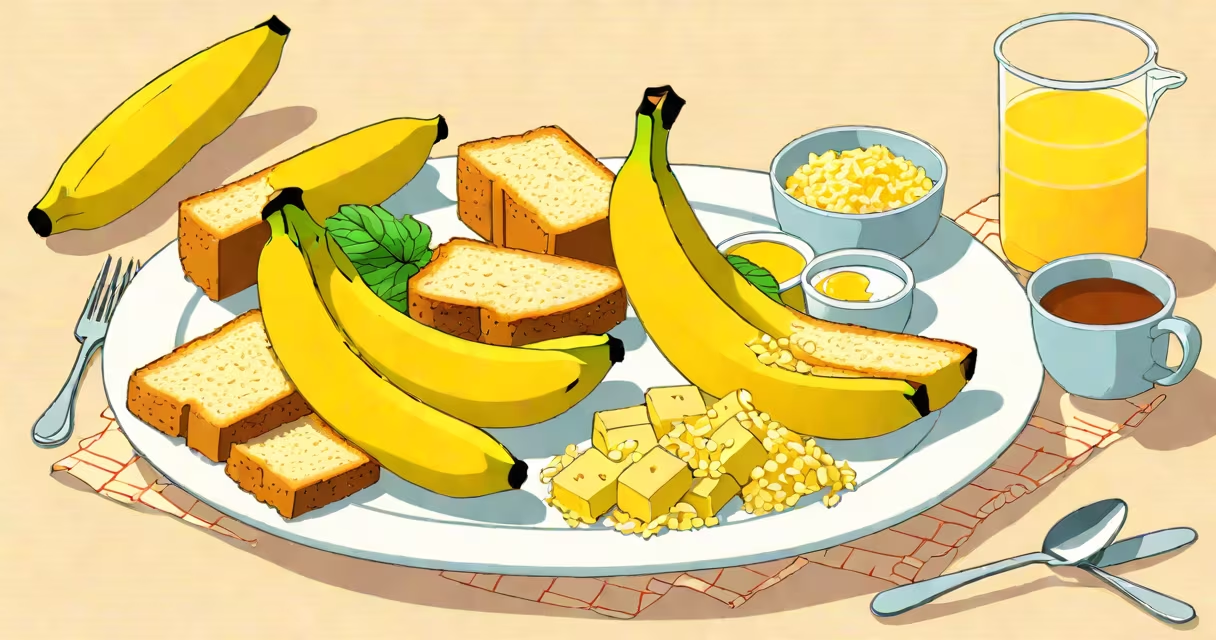
Once tolerated, progress to the BRAT diet-bananas, rice, applesauce, toast. These foods are low in fiber, low in acid, and contain mild pectin (a soluble fiber that firms stool). Bananas provide potassium and natural sugars for energy. White rice is easily digested and binds loose stools. Applesauce offers pectin without the insoluble fiber found in whole fruit. Toast provides starch with minimal residue.
| Foods to Try | Why It Helps | Portion Size |
|---|---|---|
| Bananas | High in potassium, low in fiber, contains pectin | ½ medium banana, 1-2 times daily |
| White rice (boiled) | Low-residue, starchy, binds stool | ¼ cup cooked, 1-2 times daily |
| Applesauce (unsweetened) | Pectin slows intestinal transit | ¼ cup, once daily |
| Plain toast (white bread) | Starch absorbs fluid, easy to digest | 1 slice, 1-2 times daily |
| Boiled chicken (skinless) | Lean protein supports tissue repair | 2 oz, once daily |
After 24 hours of stable digestion, slowly add other mild foods: boiled potatoes, oatmeal, canned peaches, or plain yogurt with live cultures. Avoid spicy, fried, or heavily seasoned dishes. Stick to small, frequent meals-three to four per day-to reduce digestive load.
Many people assume they should "starve" their stomach after diarrhea. This is incorrect. Fasting delays healing and increases risk of weakness. The body needs energy and nutrients to repair damaged intestinal cells. Skipping meals leads to prolonged fatigue and slower recovery.
Another error is consuming dairy too soon. Lactose intolerance often develops temporarily after diarrhea due to reduced lactase enzyme production. A 2019 review in Frontiers in Pediatrics found that 40% of children recovering from gastroenteritis experienced worsened symptoms after consuming milk. Opt for lactose-free alternatives or wait until stools return to normal before reintroducing dairy.
Some believe fruit juices or sports drinks are safe. They're not. High-fructose corn syrup in many commercial beverages can exacerbate diarrhea. A single 8-ounce glass of apple juice contains 20 grams of fructose-more than the body can absorb in one sitting. This excess sugar draws water into the colon and feeds harmful bacteria.
Recovery typically takes 2-5 days. If diarrhea persists beyond 72 hours, or if blood appears in stool, fever exceeds 101°F (38.3°C), or signs of dehydration (dry mouth, dizziness, reduced urination) occur, seek care. These indicate possible infection, inflammatory bowel disease, or malabsorption.
I once cared for a patient with persistent diarrhea after a hiking trip. He ate trail mix with dried fruit and nuts-high in fiber and fat-within 12 hours of symptom onset. His condition worsened. After switching to the BRAT diet and ORS, he recovered fully in 48 hours. This illustrates how food choice directly impacts recovery speed.
Return to normal eating gradually. Wait until bowel movements are formed and consistent before adding fiber-rich foods. Whole grains, raw vegetables, and legumes should be reintroduced one at a time, over several days. Monitor for recurrence.
Following evidence-based guidelines improves outcomes. Prioritize hydration, choose low-residue foods, and avoid known triggers. What to eat after severe diarrhea isn't about restriction-it's about strategic nourishment that supports healing.