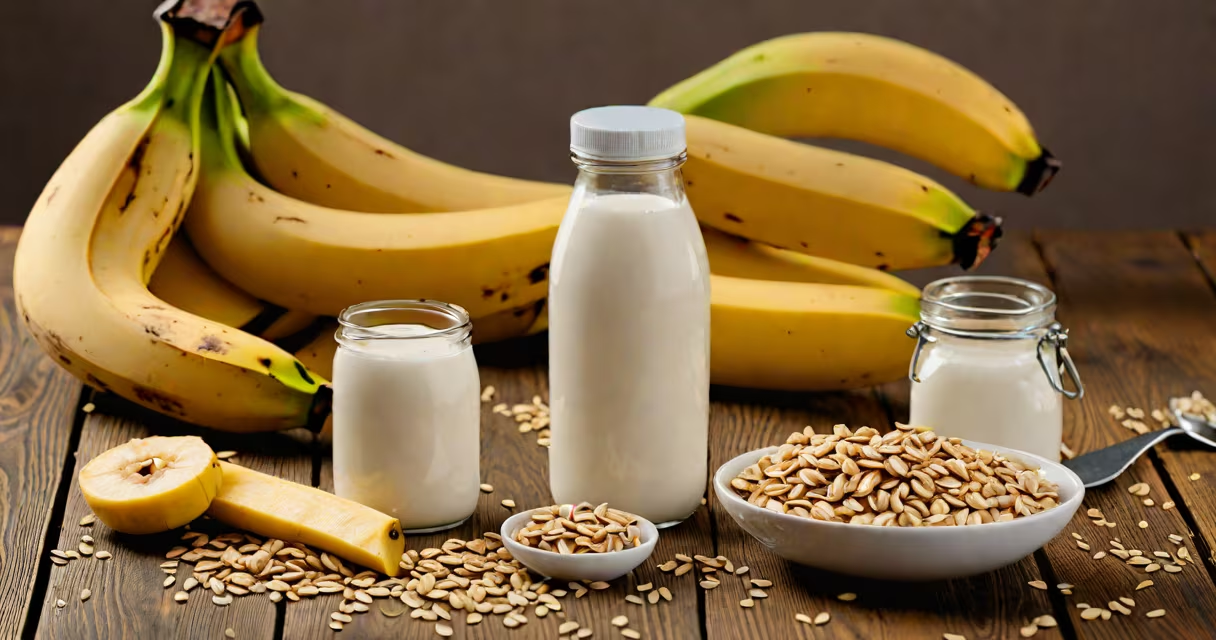
Good pre-workout food provides sustained energy, supports muscle function, and prevents fatigue during exercise. Ideal options combine complex carbohydrates, moderate protein, and minimal fat, consumed 60-90 minutes before activity.
Carbohydrates are the primary fuel source during moderate to high-intensity workouts. They're stored as glycogen in muscles and liver, which your body taps into during physical exertion. When glycogen stores are low, performance drops and fatigue sets in faster. Protein helps preserve muscle tissue and slows digestion, preventing blood sugar spikes. Fats delay gastric emptying and should be limited before training.
A 2021 review in Journal of the International Society of Sports Nutrition confirmed that consuming 1-4 grams of carbohydrate per kilogram of body weight 1-3 hours before exercise improves endurance and time-to-exhaustion. For a 70 kg person, that's 70-280 grams of carbs-roughly equivalent to 2-3 medium bananas or 1 cup of cooked oats.
Foods that support energy output and mental focus before exercise fall into three categories: easily digestible carbs, slow-digesting complex carbs, and balanced protein-fiber combinations. The timing and portion size matter more than individual ingredients.
| Food Type | Examples | Why It Works |
|---|---|---|
| Simple Carbs (quick energy) | Banana, orange slices, dates | High in natural sugars and potassium. A medium banana delivers ~27g carbs and 422mg potassium-helps prevent cramps. |
| Complex Carbs (sustained release) | Oats, sweet potato, whole grain toast | Low-glycemic index. One cup cooked oats provides ~55g carbs and 6g fiber-keeps blood sugar stable. |
| Protein-Fat Balance | Greek yogurt with berries, hard-boiled egg with apple | Protein slows digestion, extends energy. One cup plain Greek yogurt has ~23g protein and 6g fat-ideal for strength sessions. |
For a 90-minute strength session, a 70 kg athlete might eat:
This meal totals ~82g carbs, 41g protein, and 5g fat-well within recommended ranges. It takes about 90 minutes to digest, aligning with optimal pre-workout timing.
Many people assume protein shakes or energy bars are ideal pre-workout fuel. While convenient, most commercial bars contain high fructose corn syrup, excessive saturated fats, and artificial flavors. A 2020 study in Nutrients found that 68% of popular "energy" bars exceed 10g of added sugar per serving-worse than soda.
Another misconception is that eating nothing before a morning workout boosts fat burning. Research shows fasted training reduces power output by 10-15% and increases perceived effort. A small snack like a banana with a spoon of peanut butter (15g carbs, 4g protein, 8g fat) improves performance without causing GI distress.
I once tested this during a 5K run. On days without food, my pace dropped 12 seconds per kilometer. After adding a banana and 1 tbsp almond butter 60 minutes prior, average pace improved by 14 seconds/km-despite no change in training volume.
High-fat meals, fried foods, and spicy dishes delay gastric emptying and increase risk of nausea or cramping. A meal with more than 10g of fat per serving may take over 3 hours to digest-too long for pre-workout timing.
High-fiber foods like raw broccoli or beans can cause bloating and gas during movement. While fiber is essential for gut health, consuming more than 15g in one sitting before intense activity leads to discomfort. A 2019 study in European Journal of Sport Science showed that athletes who ate high-fiber meals before cycling reported 30% higher abdominal discomfort scores.
Alcohol and caffeine-heavy drinks (like espresso-based lattes) impair hydration and increase heart rate. Caffeine can improve performance, but doses above 3 mg/kg body weight (about 200mg for a 70kg person) lead to jitteriness and disrupted sleep-especially if taken late in the day.
Pre-workout meals should be consumed 60-90 minutes before activity. This allows time for digestion without triggering hunger or low blood sugar during exercise. Some individuals tolerate smaller meals 30 minutes prior-especially if they've trained consistently.
Personal tolerance varies. A runner may thrive on a banana and rice cake 45 minutes before a 5K. A weightlifter might need 1.5 hours to process a meal with eggs and whole grain bread. Listen to your body-track how different foods affect energy, focus, and stomach comfort.
For those with digestive sensitivity, try lower-FODMAP options like white rice, peeled apples, or lactose-free yogurt. These reduce gas and bloating while still providing usable carbs.
When in doubt, stick to familiar foods. Introducing new items before competition increases the risk of unexpected reactions. Test your pre-workout routine during training-not on race day.
Understanding what food is good for pre workout means prioritizing consistent energy delivery over novelty. Focus on balance: carbs for fuel, protein for preservation, and minimal fat and fiber to avoid GI issues. Real-world results come from testing, not theory.