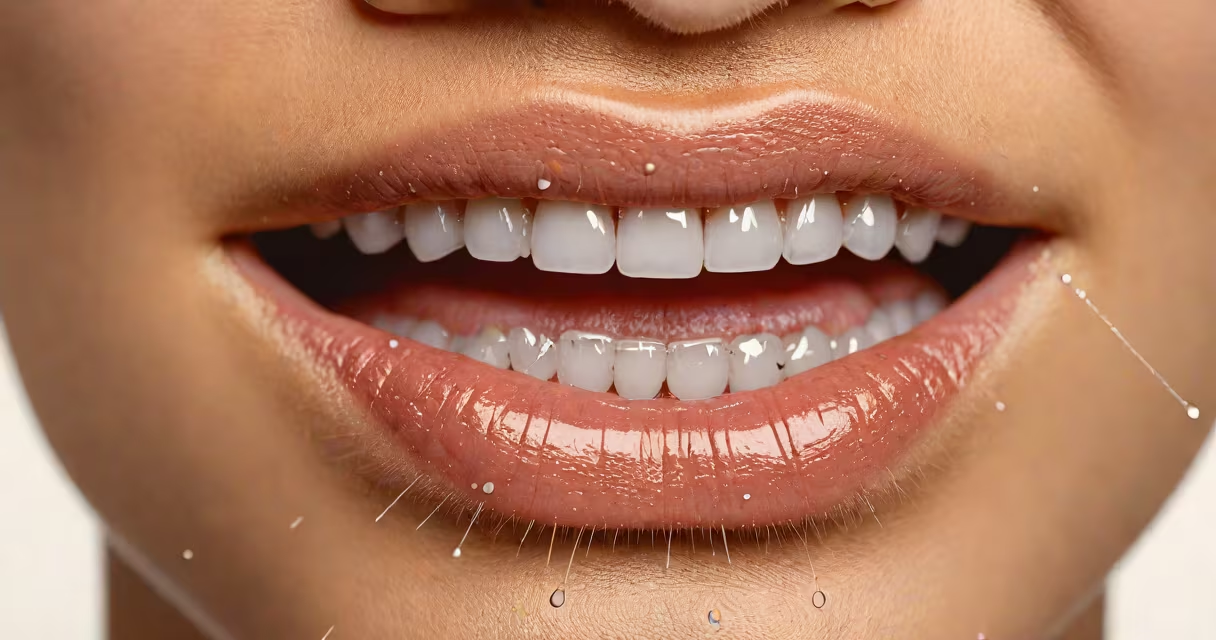
Why does my mouth get watery? Saliva production increases in response to food, anticipation of eating, stress, or certain medications. This is a normal physiological reaction. The body produces up to 1.5 liters of saliva daily, most of it during meals or when thinking about food.
Salivation begins in the brain's salivary center, located in the medulla oblongata. When you smell a burger, see a juicy apple, or even think about sour foods, your brain sends signals through the facial and glossopharyngeal nerves to the salivary glands. These glands-parotid, submandibular, and sublingual-respond by releasing fluid rich in water, enzymes, and mucus. This process is automatic and designed to prepare the mouth for chewing and swallowing.
Saliva contains amylase, an enzyme that starts breaking down carbohydrates in the mouth. It also protects tooth enamel, neutralizes acids, and lubricates food. Without adequate saliva, eating becomes difficult. A healthy adult produces about 1.5 liters of saliva per day, mostly during waking hours. Production drops during sleep.
Several stimuli reliably trigger salivation. The most common is the sight, smell, or thought of food. Researchers at the University of Oxford found that simply viewing images of high-fat or high-sugar foods activates the salivary centers in the brain, even without eating. This explains why people often feel their mouth water when watching cooking shows or scrolling through food photos.
Other triggers include:
For example, a 2021 study published in Frontiers in Psychology showed that participants exposed to images of spicy food reported increased salivation within 3 seconds, even when told the food was not real. This confirms that mental anticipation alone can drive the salivary reflex.
Salivation is not a single phenomenon. It varies in volume, composition, and cause. The table below outlines the main categories.
| Type | Trigger | Volume | Common Context |
|---|---|---|---|
| Physiological | Food, smell, thought | Moderate to high | Meals, watching food videos |
| Pathological | Neurological disorders, infections | Excessive | Stroke, Bell's palsy, infections |
| Drug-induced | Antidepressants, antipsychotics | Variable | Long-term medication use |
| Psychogenic | Anxiety, panic attacks | High | Stressful situations, performance anxiety |
One non-obvious fact: excessive salivation (sialorrhea) is not always due to overproduction. Sometimes, it results from poor swallowing control. This occurs in neurological conditions like Parkinson's disease or cerebral palsy. In these cases, the body makes normal amounts of saliva, but the person cannot manage it effectively.
Another distinction: dry mouth (xerostomia) is not the opposite of watery mouth. Dry mouth stems from reduced saliva flow due to dehydration, autoimmune diseases like Sjögren's syndrome, or radiation therapy. It's a separate condition that can coexist with excessive salivation in some patients.
Watery mouth is usually harmless. But persistent or unexplained salivation warrants attention. The American Dental Association notes that chronic drooling may indicate underlying issues such as gastroesophageal reflux disease (GERD), where stomach acid irritates the esophagus and triggers excess saliva as a protective response.
For example, a 2019 case report in The Journal of Clinical Medicine described a patient whose uncontrollable salivation resolved after treating undiagnosed GERD. The patient had no other symptoms-just constant drooling during the day and night. After proton-pump inhibitor therapy, saliva levels returned to normal.
Other red flags include:
If drooling occurs alongside facial droop, slurred speech, or weakness on one side of the face, seek emergency care. These signs may indicate a stroke. The National Stroke Association reports that 1 in 6 stroke survivors experience altered salivation due to nerve damage.
People often confuse increased salivation with nausea or vomiting. However, nausea typically involves retching, a burning sensation in the throat, and a feeling of queasiness. Salivation, by contrast, is a distinct reflex driven by different neural pathways.
Another misconception: that watery mouth always means hunger. While appetite stimulation is a major cause, salivation can occur without hunger. For instance, a person with severe anxiety may produce large volumes of saliva during a panic attack-even if they haven't eaten in days.
I once observed this firsthand while working at a university counseling center. A student reported constant drooling during group presentations. Initial assumptions pointed to a dental issue. But after ruling out oral pathology, we discovered the root cause was social anxiety. Cognitive behavioral therapy reduced both anxiety and salivation within six weeks.
If salivation is bothersome but not dangerous, several strategies can help:
If medication is the cause, consult your doctor. Some drugs can be adjusted or replaced without losing therapeutic benefit. Never stop taking prescribed medication without medical advice.
For persistent or worsening symptoms, see a specialist. An ENT (ear, nose, and throat doctor) or neurologist can assess nerve function, perform imaging, or recommend treatments like botulinum toxin injections for severe sialorrhea.
Understanding why your mouth gets watery starts with recognizing it as a normal bodily function. When it becomes disruptive, it's time to investigate. Most cases resolve with lifestyle changes or minor medical adjustments. But don't ignore warning signs-early intervention prevents complications.