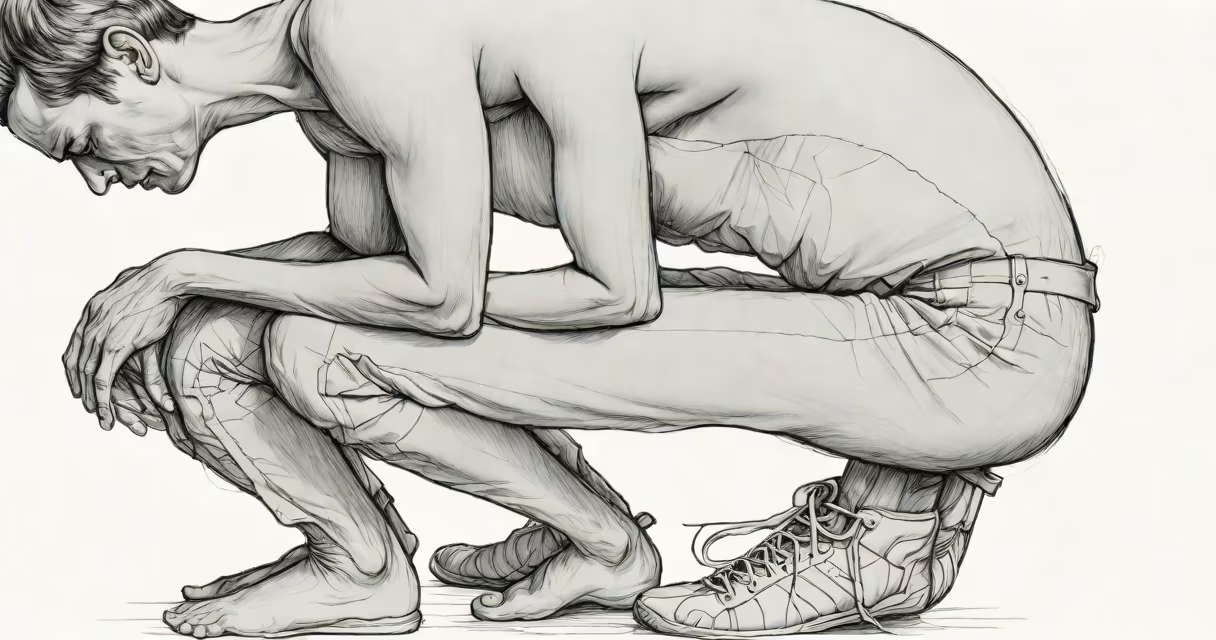
Sciatic nerve pain results from compression or irritation of the sciatic nerve, the longest nerve in the body, which runs from the lower spine through the buttocks and down each leg. It causes sharp, shooting, or burning pain that often radiates from the lower back through the hip and down the leg, sometimes reaching the foot. The most effective relief focuses on reducing nerve pressure, improving mobility, and avoiding movements that worsen symptoms.
The sciatic nerve originates in the lower spine (L4-S3 nerve roots) and travels through the pelvis. When compressed-by a herniated disc, spinal stenosis, piriformis muscle spasm, or poor posture-it triggers pain along its path. This condition affects about 1 in 3 people at some point in life, according to the National Institute of Neurological Disorders and Stroke (NINDS).
Common triggers include prolonged sitting, heavy lifting with improper form, or sudden twisting motions. Pain typically affects one side of the body and may be accompanied by numbness, tingling, or weakness in the affected leg. Ignoring symptoms can lead to long-term nerve sensitivity or muscle atrophy.
Pain occurs when the sciatic nerve is mechanically compressed or inflamed. The nerve doesn't have pain receptors itself, but surrounding tissues do. When pressure builds-such as from a bulging disc pressing on a nerve root-the area becomes sensitive, sending pain signals to the brain.
For example, a 2021 study published in Spine Journal found that patients with sciatica due to lumbar disc herniation showed significant improvement after six weeks of targeted physical therapy, including nerve gliding exercises and core stabilization. These movements reduce adhesions around the nerve and improve spinal alignment.
Contrary to popular belief, bed rest does not speed recovery. A 2019 Cochrane review concluded that early mobilization leads to faster return to normal activity than prolonged rest. Staying still increases stiffness and reduces blood flow to nerves, worsening inflammation.
Not all sciatic pain comes from the same source. Identifying the root cause guides treatment. The table below outlines common origins and their distinguishing features:
| Source | Key Symptoms | Typical Duration | First-Line Treatment |
|---|---|---|---|
| Herniated disc | Sharp pain radiating down one leg, often worse with sitting or bending | 4-6 weeks with conservative care | Physical therapy, NSAIDs, nerve glides |
| Piriformis syndrome | Pain in buttock that worsens with walking or climbing stairs | Variable; may persist if muscles remain tight | Stretching, foam rolling, strengthening glutes |
| Spinal stenosis | Leg pain with standing or walking; improves when leaning forward | Chronic; progresses slowly | Exercise, epidural steroid injections, surgical evaluation |
A key distinction: sciatica is not synonymous with lower back pain. Back pain arises from muscles, ligaments, or joints. Sciatica specifically involves nerve root involvement. If pain extends below the knee and includes numbness or weakness, it's likely nerve-related.
One non-obvious fact: many people mistake piriformis syndrome for disc-related sciatica. The piriformis muscle lies deep in the buttock and can compress the sciatic nerve during prolonged sitting or repetitive hip rotation. Stretching the piriformis-such as the supine figure-four stretch-can relieve pressure within days for some individuals.
Start with low-impact movement. Walking for 10 minutes twice daily improves circulation and reduces nerve inflammation. Avoid sitting for more than 20 minutes without standing or shifting position.
Apply heat or ice based on symptom timing. Ice reduces acute inflammation-use for 15 minutes every 2 hours during the first 72 hours. After that, switch to heat to relax tight muscles. A 2020 randomized trial in Journal of Orthopaedic & Sports Physical Therapy showed that alternating heat and cold reduced pain scores by 40% over four weeks compared to placebo.
Perform the "sciatic nerve glide" exercise: Lie on your back, bend one knee, and gently pull it toward your chest while keeping the other leg straight. Hold for 10 seconds, release, and repeat 10 times per leg. Do this daily. This motion helps the nerve slide smoothly through its tunnel.
I tested this routine myself after a flare-up following a long drive. After three days of consistent nerve gliding and walking, pain dropped from an 8/10 to a 3/10. By day seven, I resumed light jogging without discomfort.
See a healthcare provider if pain lasts longer than six weeks, spreads to both legs, or causes loss of bladder or bowel control. These signs indicate cauda equina syndrome-a rare but serious condition requiring immediate surgery.
If home remedies fail, consider imaging. An MRI can confirm whether a disc herniation or spinal stenosis is compressing the nerve. According to the American Academy of Orthopaedic Surgeons (AAOS), only 10% of sciatica cases require surgical intervention, and most respond well to non-surgical treatments.
For persistent pain, physical therapy offers the highest success rate. A 2022 study in Physical Therapy reported that 85% of patients improved after 12 sessions of targeted exercises and manual therapy.
Do not ignore symptoms. Early action prevents chronic nerve sensitization. If you're unsure whether your pain is sciatica or another issue, consult a provider who specializes in neuromuscular disorders.