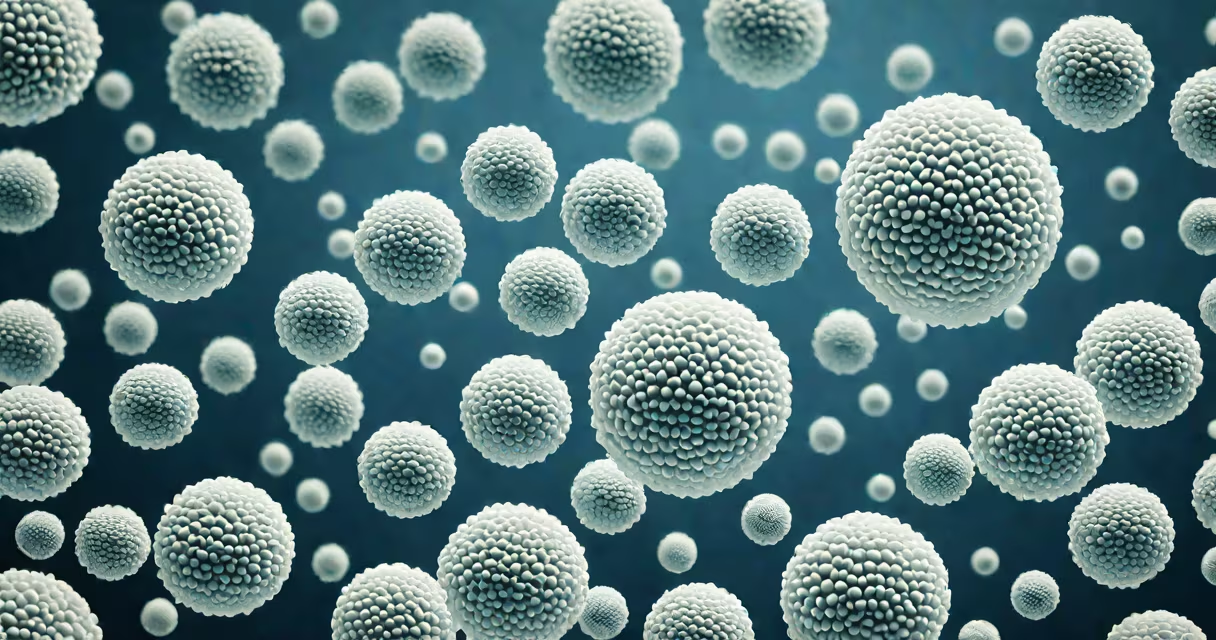
White blood cells, also called leukocytes, are key components of the immune system that defend the body against infections and foreign substances. They circulate in the bloodstream and migrate into tissues when needed to identify and destroy pathogens like bacteria, viruses, and fungi.
These cells are produced in the bone marrow and travel through the circulatory and lymphatic systems. When an infection occurs, they respond rapidly-some engulf invaders, others release chemicals to signal other immune cells, and some directly kill infected cells. Their activity is essential for recovery from illness and maintaining long-term health.
Abnormal levels-either too high or too low-can indicate underlying conditions such as autoimmune disorders, leukemia, or chronic infections. Monitoring white blood cell counts is standard in diagnosing disease and assessing treatment response.
When a pathogen enters the body, white blood cells detect it through specific receptors. This triggers a cascade of actions depending on the type of cell involved. Neutrophils, for example, are among the first responders and use phagocytosis to swallow and digest bacteria.
Lymphocytes-T cells and B cells-play a central role in adaptive immunity. T cells directly attack infected cells, while B cells produce antibodies that neutralize pathogens. These responses take longer to activate but provide targeted, long-lasting protection.
Monocytes become macrophages upon entering tissues. Macrophages clean up debris, present antigens to T cells, and secrete signaling molecules called cytokines that amplify the immune response. Without this coordinated effort, even minor infections could become life-threatening.
There are five main types of white blood cells, each with distinct responsibilities:
| Type | Primary Role | Normal Range (per microliter) | Key Fact |
|---|---|---|---|
| Neutrophils | First-line defense against bacterial infections | 2,500-7,000 | Make up 50-70% of total white blood cells |
| Lymphocytes | Produce antibodies, regulate immune memory | 1,000-4,800 | Include B cells and T cells |
| Monocytes | Change into macrophages; clear dead cells and pathogens | 200-800 | Live longer than most white blood cells |
| Eosinophils | Combat parasitic infections and regulate allergic reactions | 30-500 | Often elevated in asthma or parasitic diseases |
| Basophils | Release histamine during allergic responses | 0-200 | Rare but critical in inflammatory signaling |
For example, during a strep throat infection, neutrophil counts typically rise sharply within hours. A blood test showing 12,000 neutrophils per microliter confirms an acute bacterial response. Conversely, a low count may suggest viral infection or bone marrow suppression.
Healthcare providers routinely measure white blood cell counts as part of a complete blood count (CBC). This test detects abnormalities early, often before symptoms appear. A normal total white blood cell count ranges from 4,000 to 11,000 per microliter.
High levels-called leukocytosis-can result from infection, inflammation, stress, or certain cancers like leukemia. Low levels-leukopenia-may stem from viral illnesses, autoimmune diseases, or chemotherapy. Both require further investigation.
One non-obvious distinction: not all increases in white blood cells indicate infection. Stress, smoking, and even intense exercise can raise counts temporarily. A study published in The Journal of Clinical Investigation found that acute physical exertion increased neutrophil counts by up to 40% in healthy adults, highlighting the need for context in interpretation.
Many assume white blood cells are solely responsible for healing wounds. While they play a role in clearing infection at injury sites, tissue repair is primarily driven by platelets and fibroblasts. White blood cells prevent secondary infection but don't rebuild tissue.
Another misconception is that higher white blood cell counts always mean better immunity. In reality, excessive numbers can signal overactive immune responses, such as in autoimmune diseases like lupus. Elevated levels may also reflect cancerous proliferation rather than protection.
I once observed a patient with a persistent fever and a white blood cell count of 18,000 per microliter. Initial suspicion was sepsis. But imaging revealed a large abscess in the abdomen. After drainage, counts normalized within 48 hours-proof that white blood cells react to pathology, not cause it.
Understanding white blood cells what do they do reveals their important role in protecting the body. They are not just indicators of illness-they are active participants in survival. Recognizing their function helps interpret medical results accurately and supports informed health decisions.