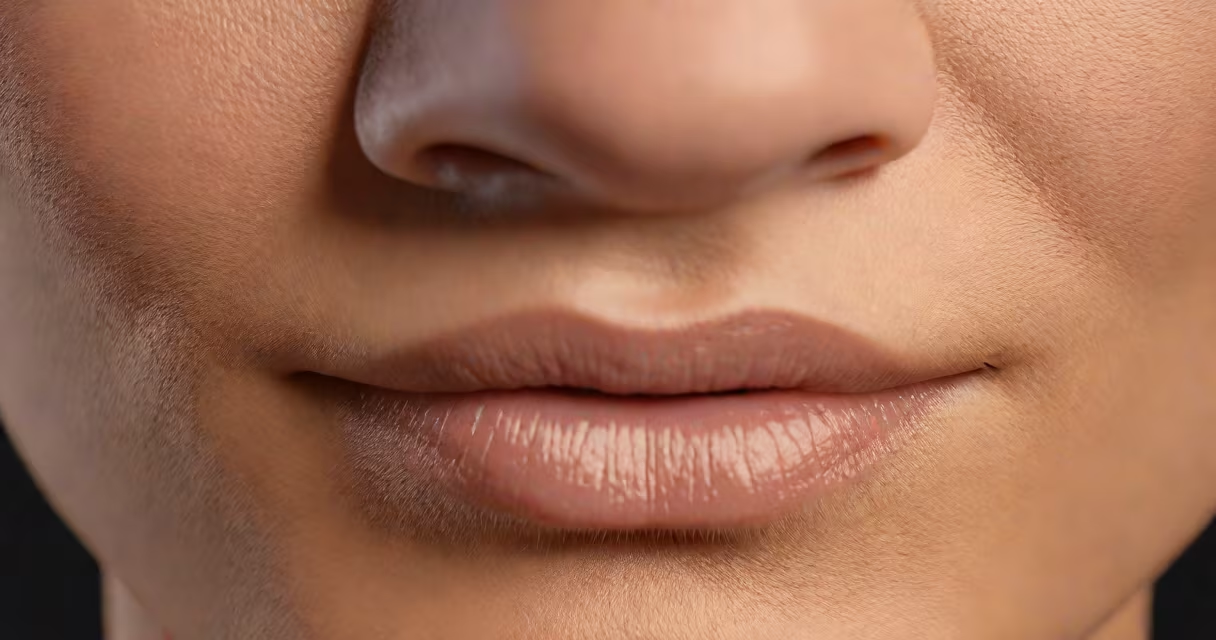
Excessive facial hair in women, medically termed hirsutism, occurs when androgen levels rise or skin becomes more sensitive to normal androgen levels, leading to coarse, dark hair growth in areas typically associated with male patterns-such as the upper lip, chin, cheeks, and jawline.
Hirsutism affects approximately 5-10% of women of reproductive age, according to the American Academy of Dermatology Association (AAD). It is distinct from hypertrichosis, which involves excessive hair growth anywhere on the body due to genetic or systemic factors-not androgen-driven patterns. The condition is not simply cosmetic; it often indicates an underlying hormonal imbalance requiring medical evaluation.
While visible hair growth may begin during puberty or later in life, sudden onset after age 30 warrants investigation. A 2021 study published in Endocrine Reviews found that 70% of cases linked to hirsutism involve polycystic ovary syndrome (PCOS), a disorder affecting insulin sensitivity and ovarian function. Other contributors include congenital adrenal hyperplasia, Cushing's syndrome, and certain medications.
Androgens-testosterone and its derivatives like dihydrotestosterone (DHT)-bind to receptors in hair follicles. When levels exceed normal female ranges, they stimulate terminal hair growth in androgen-sensitive areas. These follicles shift from producing vellus (fine, light-colored) hairs to terminal (thick, pigmented) ones.
Not all women respond equally. Some have genetically determined follicular sensitivity, meaning even normal androgen levels can trigger visible growth. This variation explains why two women with similar lab results may differ in symptom severity.
A clinical tool called the Ferriman-Gallwey score quantifies hirsutism by assigning points based on hair density in nine body regions. A score of 8 or higher indicates significant hirsutism. This scale helps standardize diagnosis across providers.
Excessive facial hair in women stems from four primary categories: endocrine disorders, medication-induced changes, idiopathic (unknown cause), and rare genetic syndromes.
| Type | Prevalence | Key Causes | Diagnostic Clue |
|---|---|---|---|
| Polycystic ovary syndrome (PCOS) | ~70% | Insulin resistance, ovarian androgen overproduction | Irregular periods, acne, obesity |
| Adrenal disorders | ~10-15% | Congenital adrenal hyperplasia, Cushing's syndrome | High cortisol, low potassium, hypertension |
| Medication-related | ~5% | Testosterone supplements, corticosteroids, some antipsychotics | Onset coincides with drug start |
| Idiopathic | ~10-15% | No identifiable cause despite testing | Normal labs, no other symptoms |
PCOS remains the most frequent root cause. The Endocrine Society notes that up to 60% of women with PCOS exhibit hirsutism. Diagnosis requires ruling out other sources through blood tests measuring testosterone, DHEA-S, 17-OH progesterone, and ACTH stimulation tests.
One overlooked factor is ethnic variation. Women of Mediterranean, Middle Eastern, and South Asian descent are more likely to develop hirsutism at lower androgen levels due to inherited follicular sensitivity. This biological difference means thresholds for concern vary by ancestry.
Excessive facial hair in women prompts medical evaluation not because of appearance alone, but because it may reflect metabolic or reproductive risk. Untreated PCOS increases long-term risks of type 2 diabetes, cardiovascular disease, and infertility.
Initial steps include a detailed history, physical exam, and blood work. The American College of Obstetricians and Gynecologists (ACOG) recommends checking fasting glucose, insulin, lipid panel, and sex hormone-binding globulin (SHBG) alongside free testosterone.
For example, a 28-year-old woman presents with irregular cycles, weight gain, and increasing chin hair. Labs show elevated free testosterone (2.8 ng/dL, normal range: 0.3-1.9), low SHBG, and high insulin. An ultrasound reveals polycystic ovaries. She is diagnosed with PCOS and begins metformin and oral contraceptives to regulate hormones and reduce hair growth.
Treatment options fall into two categories: medical and cosmetic. Medical therapies aim to correct the root cause. Oral contraceptives suppress ovarian androgen production. Anti-androgens like spironolactone block androgen receptors. Metformin improves insulin sensitivity in PCOS patients.
Cosmetic methods remove existing hair. Electrolysis offers permanent removal but requires multiple sessions. Laser hair removal targets pigment in follicles and works best on dark hair. A 2020 randomized controlled trial in JAMA Dermatology showed that six sessions of Nd:YAG laser reduced facial hair by 75% over 12 months in women with mild-to-moderate hirsutism.
Many assume hirsutism always means high testosterone. That's incorrect. Some women have normal serum testosterone but elevated DHT activity locally in the skin. Others have normal androgen levels but increased follicular sensitivity. This explains why lab results don't always correlate with symptoms.
Another myth is that shaving or waxing worsens hair growth. No evidence supports this. Hair appears coarser after removal because the tip is blunt, not because regrowth is denser. Shaving does not affect follicle activity.
I've observed patients skip testing for years, fearing stigma or embarrassment. One woman delayed care until her chin hair blocked her vision while wearing glasses. Her diagnosis revealed early-stage PCOS. Early intervention prevented further complications.
Understanding excessive facial hair in women begins with recognizing it as a sign-not a standalone issue. It reflects internal physiology, not personal failure. Accurate diagnosis leads to effective management, whether through hormonal regulation, targeted treatments, or lifestyle adjustments.
Excessive facial hair in women is not just about appearance-it's a window into hormonal health. Addressing it properly prevents long-term complications and restores confidence.