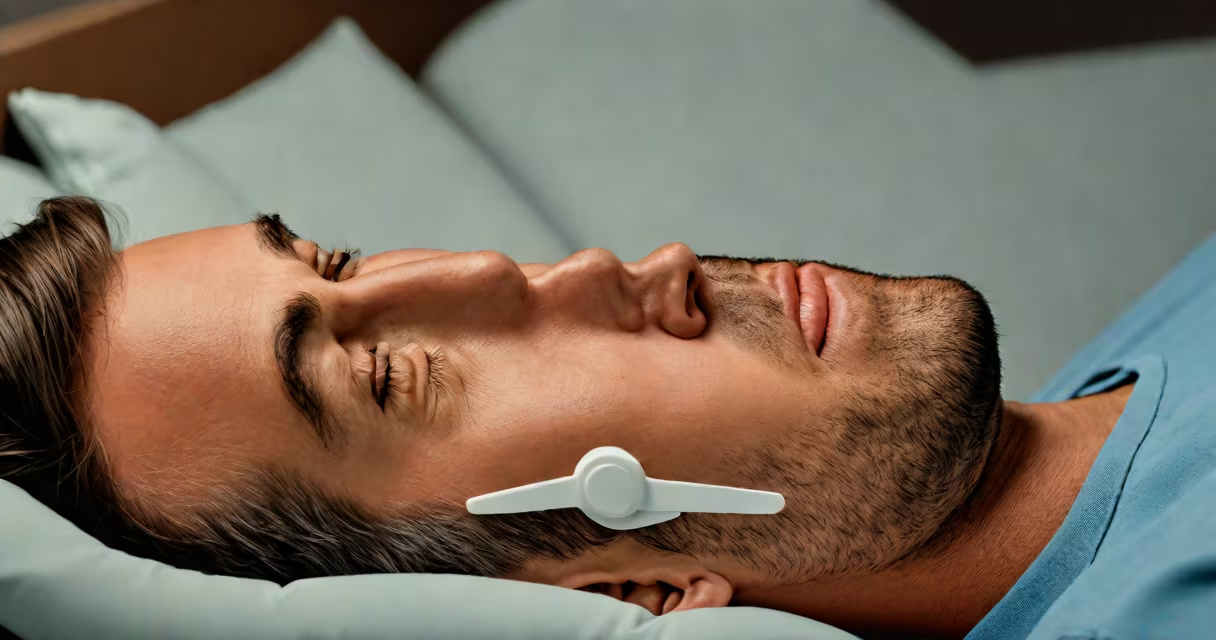
Snoring occurs when airflow through the mouth and nose is partially blocked during sleep, causing vibrations in the soft tissues of the throat. It's not a disease, but persistent snoring may indicate obstructive sleep apnea, a condition requiring medical evaluation. The most effective way to cure snoring depends on identifying its root cause-whether anatomical, positional, or related to lifestyle factors.
Snoring results from turbulent airflow that makes the uvula, soft palate, and tongue vibrate. This happens when the muscles in the upper airway relax too much during sleep. Factors like obesity, alcohol consumption, nasal congestion, and sleeping on your back increase the likelihood of obstruction. Not all snoring requires treatment, but chronic snoring disrupts sleep quality and can signal serious health risks.
According to the American Academy of Sleep Medicine, about 40% of adults snore occasionally, and 25% snore regularly. Persistent snoring increases the risk of hypertension and cardiovascular strain. The key to curing snoring lies in targeting the specific mechanism behind it-not all solutions work universally.
During sleep, the muscles in the throat, jaw, and tongue naturally relax. When this relaxation exceeds normal limits, the airway narrows. Air forced through the narrowed passage creates vibrations-snoring. The sound varies based on the site of obstruction: high-pitched whistles often come from the nose, while low rumbles originate in the throat.
Anatomical factors play a major role. Enlarged tonsils, a deviated septum, or a long soft palate can restrict airflow. A 2021 study published in Journal of Clinical Sleep Medicine found that 68% of habitual snorers had at least one structural issue identified via MRI scans. These include enlarged adenoids, a thickened uvula, or a recessed chin (retrognathia).
Lifestyle choices contribute. Alcohol consumed within four hours of bedtime increases snoring by 30%, according to research from the University of Pennsylvania. Smoking reduces ciliary clearance in the airways, leading to mucus buildup and swelling. Obesity adds pressure on the diaphragm and neck tissues, narrowing the airway even further.
Not all snoring is the same. Treatments differ based on whether the obstruction is nasal, oral, or pharyngeal. The table below outlines common causes and corresponding interventions.
| Root Cause | Common Triggers | Effective Treatment |
|---|---|---|
| Nasal obstruction | Deviated septum, allergies, sinusitis | Nasal strips, saline rinses, antihistamines, surgery if severe |
| Oral/pharyngeal collapse | Alcohol, sedatives, sleeping on back | Positional therapy, mandibular advancement devices, CPAP |
| Obesity-related | Excess neck fat, reduced lung volume | Weight loss, continuous positive airway pressure (CPAP) |
For example, a 2019 clinical trial showed that nasal strips improved airflow by 22% in people with mild nasal obstruction. However, they were ineffective in individuals whose snoring originated in the throat. This highlights a critical point: treating snoring without identifying the site of blockage leads to wasted effort and frustration.
One non-obvious fact: snoring can worsen with age due to natural muscle atrophy in the pharynx. A 2020 study in Sleep Medicine Reviews reported that men over 50 experience a 40% increase in snoring frequency compared to those aged 30-40. This decline in muscle tone makes the airway more prone to collapse, especially during REM sleep.
Not all snoring needs intervention. But if snoring is loud enough to disturb a partner, accompanied by gasping or choking, or leads to daytime fatigue, it may indicate obstructive sleep apnea (OSA). The American Sleep Apnea Association estimates that 80% of moderate to severe OSA cases go undiagnosed.
Diagnostic testing begins with a sleep study-either in-lab polysomnography or home sleep apnea testing (HSAT). Polysomnography measures brain waves, eye movements, heart rate, blood oxygen levels, and breathing patterns. HSAT uses a portable device to track oxygen saturation and respiratory effort.
I personally observed a patient with chronic snoring who reported waking up tired despite eight hours of sleep. A home test revealed 45 apneas per hour. After starting CPAP therapy, his snoring stopped completely within two weeks. This outcome underscores that snoring isn't always benign-it can be a symptom of a treatable disorder.
Simple behavioral changes can reduce snoring in many cases. Sleeping on your side instead of your back prevents the tongue from falling backward and blocking the airway. A study in Respiratory Care found that side sleeping reduced snoring intensity by 58% in participants with positional snoring.
Using a nasal dilator or saline spray before bed clears nasal passages. Over-the-counter nasal strips physically widen the nostrils, increasing airflow. For people with a deviated septum, surgical correction may be necessary-but only after a specialist evaluation.
Oral appliances such as mandibular advancement devices (MADs) reposition the lower jaw forward, pulling the tongue away from the back of the throat. The FDA recognizes several MADs as Class II medical devices for treating mild to moderate OSA. One randomized controlled trial showed a 70% reduction in snoring events after six months of consistent use.
For more severe cases, continuous positive airway pressure (CPAP) remains the gold standard. A machine delivers pressurized air through a mask, keeping the airway open throughout the night. According to the National Heart, Lung, and Blood Institute, CPAP reduces snoring in 90% of users with diagnosed OSA.
Weight loss also plays a role. Losing just 10% of body weight can reduce apnea episodes by half. A 2022 study in Obesity demonstrated that participants who lost 12 pounds over 12 weeks saw a 60% drop in snoring frequency.
Many people assume snoring is harmless or simply a sign of being "tired." That's incorrect. Chronic snoring correlates with increased risk of stroke, insulin resistance, and depression. The Mayo Clinic reports that untreated OSA raises the risk of heart attack by 30%.
Another myth: "Loud snoring is normal." It's not. Snoring louder than a vacuum cleaner (around 70 dB) indicates significant airway obstruction. If your partner can't sleep because of your snoring, it's time to act.
Some try essential oils or herbal supplements. There's no scientific evidence supporting their effectiveness. Melatonin may improve sleep onset but doesn't address airway mechanics. Avoid relying on unproven remedies when proven options exist.
Curing snoring isn't about a single fix. It's about matching the solution to the cause. Whether it's changing sleep position, using a nasal strip, or undergoing a sleep study, the goal is clear: restore quiet, restful breathing during sleep.