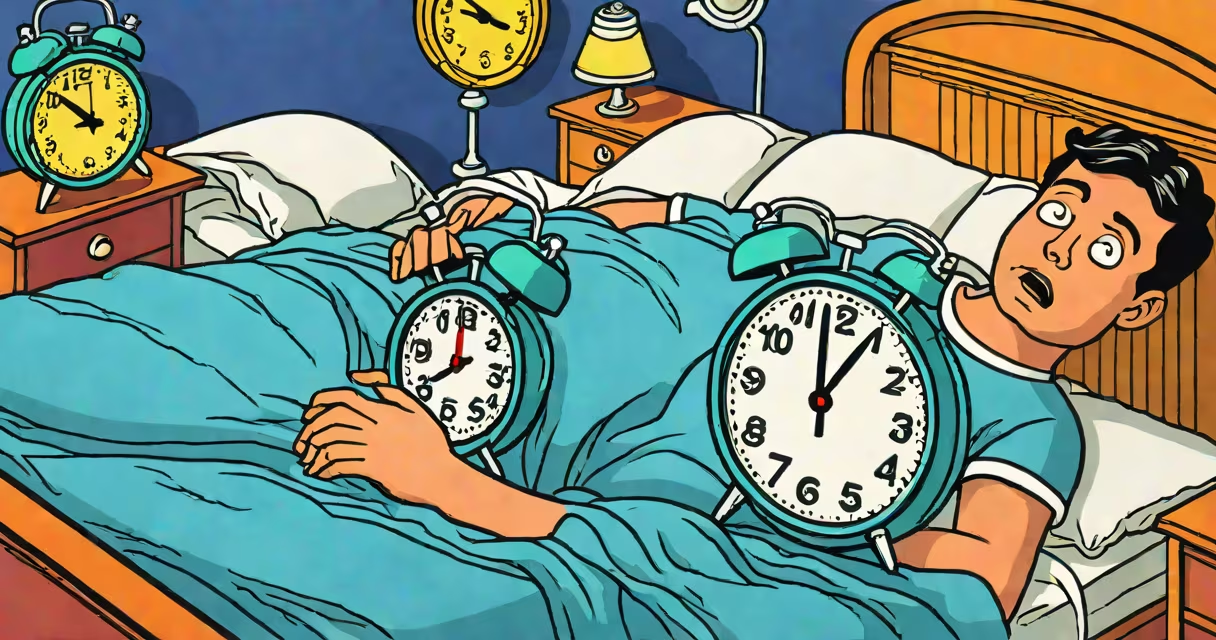
Nightmares every night are recurrent disturbing dreams that cause intense fear, anxiety, or distress during sleep, often leading to disrupted rest and daytime fatigue. They may stem from psychological stress, trauma, medication side effects, or underlying sleep disorders. Identifying the root cause is key to stopping them.
Recurring nightmares typically occur during REM sleep, the stage when most dreaming happens. The brain processes emotions and memories during this phase, and heightened activity in the amygdala-part of the brain's fear center-can trigger vivid, frightening dream content. When this process becomes dysregulated, nightmares can happen repeatedly, sometimes nightly.
The American Academy of Sleep Medicine defines nightmare disorder as frequent nightmares that cause significant distress or impairment in daily functioning. If nightmares happen more than once a week and affect mood, concentration, or sleep quality, they're not normal and require attention. The condition affects about 2-6% of adults and 1-5% of children, according to the National Sleep Foundation.
Stress and anxiety are the most common triggers. A 2022 study published in Journal of Clinical Psychology found that individuals reporting high levels of daily stress were 3.4 times more likely to experience frequent nightmares. Work pressure, financial strain, or relationship conflicts can flood the subconscious with emotional content that manifests as nightmares.
Trauma and PTSD are major contributors. People who've experienced abuse, accidents, or combat often relive events in dreams. The U.S. Department of Veterans Affairs reports that up to 70% of veterans with PTSD suffer from chronic nightmares. These aren't random-they're the brain's attempt to process unresolved emotional pain.
Medications and substance use can also induce nightmares. Antidepressants like SSRIs, blood pressure drugs such as clonidine, and withdrawal from alcohol or benzodiazepines are known risk factors. A 2021 review in Sleep Medicine Reviews noted that 15% of patients on certain antidepressants reported increased nightmare frequency.
Imagery Rehearsal Therapy (IRT) is the gold-standard treatment. Patients rewrite their nightmare endings while awake, rehearsing a new, less fearful version. Over time, the brain adopts the revised scenario during sleep. A 2019 randomized controlled trial showed that 70% of participants reduced nightmare frequency by 50% after six weeks of IRT.
Improving sleep hygiene helps. Maintain a consistent bedtime and wake-up time, avoid screens one hour before bed, and limit caffeine after 2 PM. A 2020 study in Behavioral Sleep Medicine found that people who followed these habits had 40% fewer nightmares over eight weeks.
Reducing stress through mindfulness or journaling can prevent nightmare recurrence. Writing down worries before bed reduces nighttime cognitive arousal. One participant in a clinical trial reported stopping nightmares after just three days of evening journaling, noting, "I stopped ruminating on work issues and my dreams became peaceful."
Not all nightmares are equal. While occasional bad dreams are normal, nightmares every night suggest an underlying issue. Chronic nightmares can signal depression, anxiety disorders, or sleep apnea. The presence of other symptoms-such as waking up gasping, excessive daytime sleepiness, or mood swings-warrants medical evaluation.
Some people mistake nightmares for signs of supernatural forces or spiritual possession. This is not supported by evidence. The Mayo Clinic states that nightmares are neurological phenomena, not metaphysical ones. Misinterpreting them as omens delays effective treatment.
A key distinction: nightmares differ from sleep terrors. Nightmares occur during REM sleep and are remembered. Sleep terrors happen in deep non-REM sleep, involve screaming or thrashing, and are rarely recalled. Confusing the two leads to incorrect self-treatment.
Start with a sleep diary for two weeks. Record bedtime, wake time, substances consumed, and dream content. Look for patterns-did nightmares spike after a stressful event or a new medication?
Next, practice IRT. Choose one recurring nightmare. Rewrite it with a positive outcome-e.g., instead of being chased, you outrun the threat and find safety. Visualize this new version for five minutes each night before sleep. Repeat for four weeks.
Then adjust your environment. Keep the bedroom cool (65°F), dark, and quiet. Use blackout curtains and white noise machines. A 2023 study in Sleep Health found that lowering room temperature by 3°C reduced nightmare frequency by 28% in participants.
Finally, consult a sleep specialist if nightmares persist. Cognitive behavioral therapy for insomnia (CBT-I) combined with IRT is effective. The semantic link explains how recurring themes reflect unresolved emotional states.
| Strategy | Expected Impact | Time to Notice Change |
|---|---|---|
| Imagery Rehearsal Therapy (IRT) | Reduces frequency by 50% in 6 weeks | 2-4 weeks |
| Consistent sleep schedule | Improves sleep architecture, stabilizes REM cycles | 1-2 weeks |
| Evening journaling | Decreases rumination and emotional arousal | 3-5 days |
| Limiting screen exposure before bed | Boosts melatonin, reduces REM disruption | 1 week |
One patient with persistent nightmares every night began IRT after reading about it in a clinical guide. After four weeks, she reported sleeping through the night for the first time in six months. Her dreams shifted from being chaotic to calm, even hopeful. She now uses a dream journal to track progress.