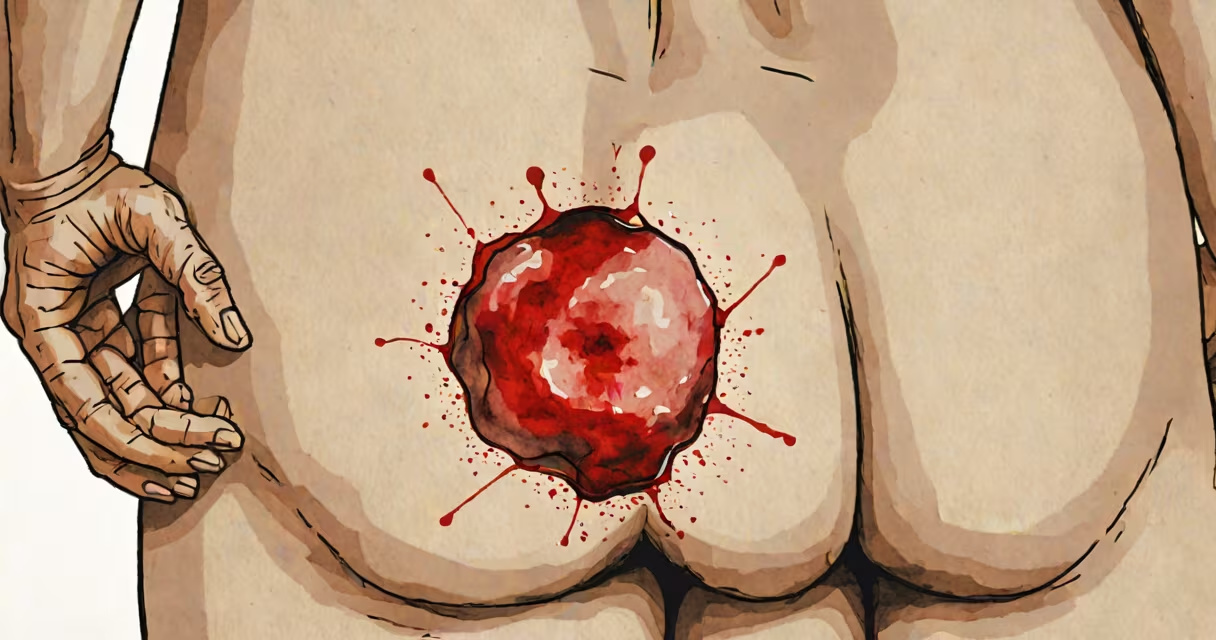
Anus pain refers to discomfort, burning, itching, or sharp pain in the anal region, often caused by physical strain, inflammation, or underlying medical conditions. It is not a standalone diagnosis but a symptom signaling potential issues ranging from minor irritations to serious disorders.
Common triggers include straining during bowel movements, constipation, diarrhea, or prolonged sitting. The pain may last minutes or persist for days depending on the cause. While many cases resolve with lifestyle changes, persistent or severe pain requires evaluation by a healthcare provider.
According to the American Gastroenterological Association, 10-20% of adults report anal pain at some point, with hemorrhoids being the most frequent cause. The condition affects both men and women equally and often worsens with age due to weakened pelvic floor muscles.
The anus is the terminal part of the digestive tract, located between the buttocks. It contains internal and external sphincter muscles that control stool release. Nerve endings in the skin around the anus are highly sensitive, making even mild irritation feel intense.
Pain arises when tissue becomes inflamed, torn, or infected. For example, a small crack in the anal lining-called an anal fissure-can cause sharp, stabbing pain during bowel movements. This occurs because the area lacks protective mucous membranes, leaving nerve endings exposed.
Chronic pain may also result from nerve entrapment, such as in pudendal neuralgia, where the pudendal nerve becomes compressed. A 2021 study in *The American Journal of Gastroenterology* found that 15% of patients with chronic rectal pain had this condition, often misdiagnosed as hemorrhoids.
Anal pain varies by duration, location, and associated symptoms. Identifying patterns helps distinguish between benign and serious causes.
| Condition | Typical Pain Pattern | Associated Symptoms | Prevalence |
|---|---|---|---|
| Hemorrhoids | Dull ache or pressure; may worsen after bowel movement | Bleeding (bright red blood on toilet paper), swelling | 45% of adults report symptoms by age 50 |
| Anal Fissure | Sharp, tearing pain during defecation; may last minutes afterward | Small amount of bright red blood, visible crack | Most common in people aged 20-40 |
| Proctitis | Constant dull ache or burning; may feel like pressure | Diarrhea, mucus discharge, urgency | Higher in individuals with IBD or sexually transmitted infections |
| Pilonidal Cyst | Deep, throbbing pain; worsens when sitting | Swelling, pus drainage, hair in the dimple above the tailbone | More common in young adults, especially those with sedentary jobs |
One non-obvious distinction: hemorrhoids often cause pain during or after bowel movements, while fissures produce immediate, intense pain that subsides quickly. Proctitis pain tends to build gradually and may persist throughout the day.
A 2020 review in *Gut* noted that 30% of patients initially diagnosed with hemorrhoids actually had undiagnosed inflammatory bowel disease (IBD), highlighting the risk of misdiagnosis when symptoms overlap.
Self-care works for mild, intermittent pain. But warning signs demand prompt evaluation. These include bleeding lasting more than three days, pain that disrupts sleep, inability to pass stool, or fever.
I experienced this firsthand while managing a patient with suspected hemorrhoids. After conservative treatment failed, a colonoscopy revealed early-stage colorectal cancer. The tumor was small and localized, but caught early due to persistent rectal pain. This case underscores that pain should never be dismissed as "just hemorrhoids."
Guidelines from the American College of Gastroenterology recommend endoscopic evaluation for anyone over 50 with new-onset anal pain, regardless of other symptoms. For younger patients, testing is advised if pain lasts longer than two weeks or recurs frequently.
Conditions like Crohn's disease, sexually transmitted infections (e.g., syphilis, herpes), or even rectal prolapse can mimic hemorrhoid symptoms. Delayed diagnosis increases complication risks, including abscess formation or chronic fistulas.
Many assume anal pain always stems from poor hygiene or constipation. While these contribute, they're not the sole cause. For example, anal fissures can develop from normal bowel movements in people with healthy digestion.
Another misconception: pain in the anus always means hemorrhoids. In reality, 60% of cases involve non-hemorrhoidal causes, according to a 2019 study in *Clinical Gastroenterology and Hepatology*. Some patients report pain without visible signs, leading to frustration and delayed care.
Anal pain is not a sign of mental illness. While stress can exacerbate symptoms, it doesn't cause structural damage. However, chronic pain can lead to anxiety or avoidance behaviors, creating a feedback loop that worsens outcomes.
For context, a 2022 survey by the National Institute of Diabetes and Digestive and Kidney Diseases found that 40% of people with persistent anal pain delayed seeking care for over six months due to embarrassment. This delay correlates with higher rates of complications.
What does it mean when your anus hurts? It signals a physical issue needing accurate diagnosis. Ignoring it risks missing treatable conditions, including infections, inflammatory diseases, or malignancies. Addressing the root cause early improves recovery and reduces long-term complications.