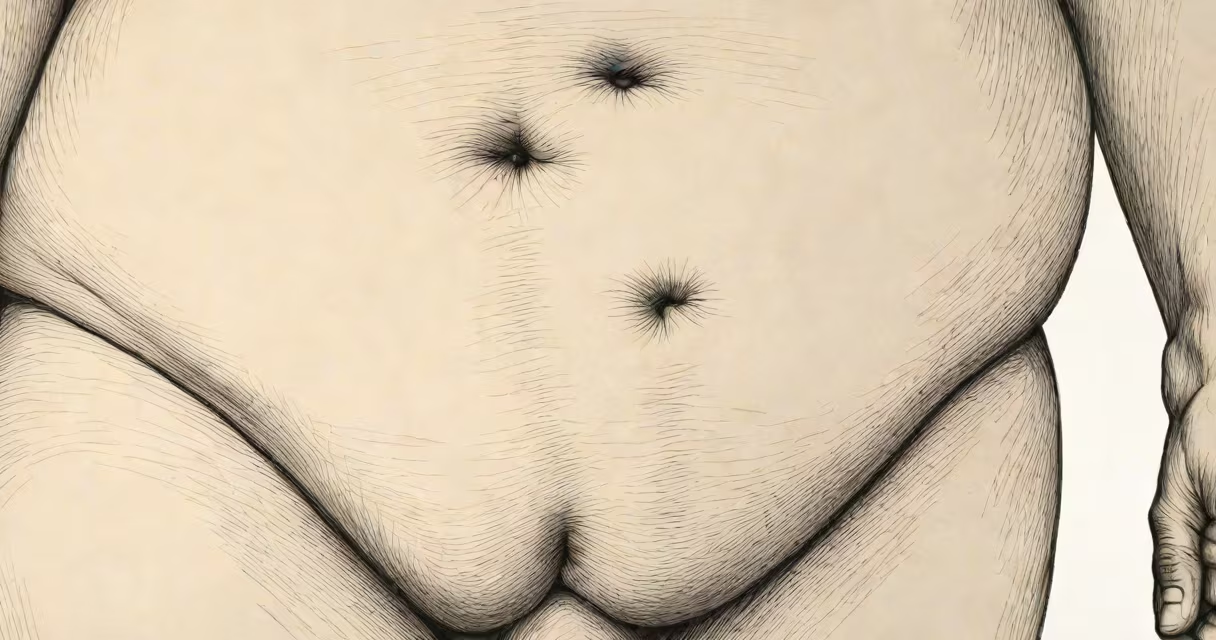
An abdominal hernia bulge is a visible or palpable protrusion caused by abdominal contents-typically intestine or fatty tissue-pushing through a weakened area in the abdominal wall. This bulge may appear suddenly during physical exertion or gradually over time, often becoming more noticeable when standing, coughing, or lifting.
The condition results from a structural failure in the layers of muscle and connective tissue that normally contain intra-abdominal organs. When pressure exceeds the strength of the abdominal wall at a specific site, a gap forms. The resulting bulge is not just cosmetic-it signals a mechanical defect that can lead to complications such as incarceration or strangulation if left untreated.
According to the American College of Surgeons, approximately 27% of men and 3% of women will develop a hernia at some point in their lives, with inguinal hernias being the most common type. A bulge in the groin or lower abdomen is the primary clinical sign of such a hernia, though not all hernias present visibly.
Abdominal hernias form when internal tissues escape through a tear or natural weakness in the abdominal wall. The most frequent causes include chronic straining from heavy lifting, persistent coughing, obesity, pregnancy, or prior surgical incisions. These factors increase intra-abdominal pressure, which forces tissue through existing or newly formed openings.
Weaknesses can be congenital-present at birth-or acquired later in life. For example, a patient with a history of a laparotomy may develop a ventral hernia at the site of the old incision. The risk increases with age due to natural degradation of connective tissue and reduced muscle tone.
A 2021 study published in Annals of Surgery found that patients with a family history of hernias were 2.3 times more likely to develop one themselves, suggesting a genetic predisposition to collagen weakness in the fascia. This explains why some individuals develop hernias with minimal strain, while others remain asymptomatic despite similar activity levels.
Hernias are classified by location and mechanism. The most common types associated with a visible bulge include:
| Type | Location | Bulge Characteristics | Prevalence |
|---|---|---|---|
| Inguinal | Inner groin, near the pubic bone | Soft, round lump; may descend into scrotum in men | 70% of all hernias |
| Ventral | Midline or off-center in the abdominal wall | Often appears at surgical scars or around the navel | 20% of cases |
| Incisional | Over previous abdominal surgery sites | May grow slowly; often firm or irregular | 10-15% of hernias |
For example, a 52-year-old woman who had a cesarean section five years ago developed a ventral hernia at the scar site. She noticed a soft, doughy bulge that became more pronounced when she stood or lifted groceries. The bulge disappeared when lying down-a classic sign of reducible hernia.
Not all hernias produce a visible bulge. Some, especially femoral hernias, may present only as pain or discomfort in the upper thigh. However, when a bulge is present, it's nearly always a sign of a true hernia requiring evaluation.
Many people mistake an abdominal hernia bulge for a lipoma-a benign fatty tumor-or a cyst. Unlike a hernia, a lipoma moves freely under the skin and doesn't reduce when lying down. A cyst may be tender but lacks the characteristic change in size with posture or strain.
Another frequent error is assuming that a small or painless bulge is harmless. While some hernias remain stable for years, they never resolve on their own. The American Society of Anesthesiologists notes that the risk of incarceration-where the bowel becomes trapped-increases by 1% per month after diagnosis. Once incarcerated, emergency surgery is required.
I once observed a man in his 60s who ignored a small, intermittent bulge in his lower abdomen for over a year. He believed it was "just fat." During a routine visit, the bulge became irreducible and painful. Emergency imaging confirmed a loop of small intestine trapped in the hernia sac. He underwent surgery within six hours and recovered fully-but the delay increased his hospital stay and complication risk.
A bulge that appears or grows during physical activity, disappears when lying down, or causes discomfort during lifting should prompt a visit to a healthcare provider. Red flags include pain, nausea, inability to pass gas, or a bulge that cannot be pushed back in. These indicate possible obstruction or strangulation-an emergency.
Diagnosis begins with a physical exam. The doctor may ask the patient to stand and cough to see if the bulge becomes more prominent. Imaging like ultrasound or CT scan confirms the presence and type of hernia, especially when the physical exam is inconclusive.
Treatment is surgical in nearly all cases. Repair involves reinforcing the weakened area using mesh-either through open surgery or laparoscopy. Mesh-based repairs have a recurrence rate below 5%, according to the National Institutes of Health. Non-surgical management with trusses or binders offers temporary relief but does not prevent progression.
Ignoring a visible abdominal hernia bulge risks serious outcomes. The condition is not merely a cosmetic issue-it represents a breakdown in abdominal integrity that can escalate rapidly. Early intervention prevents complications and restores function.