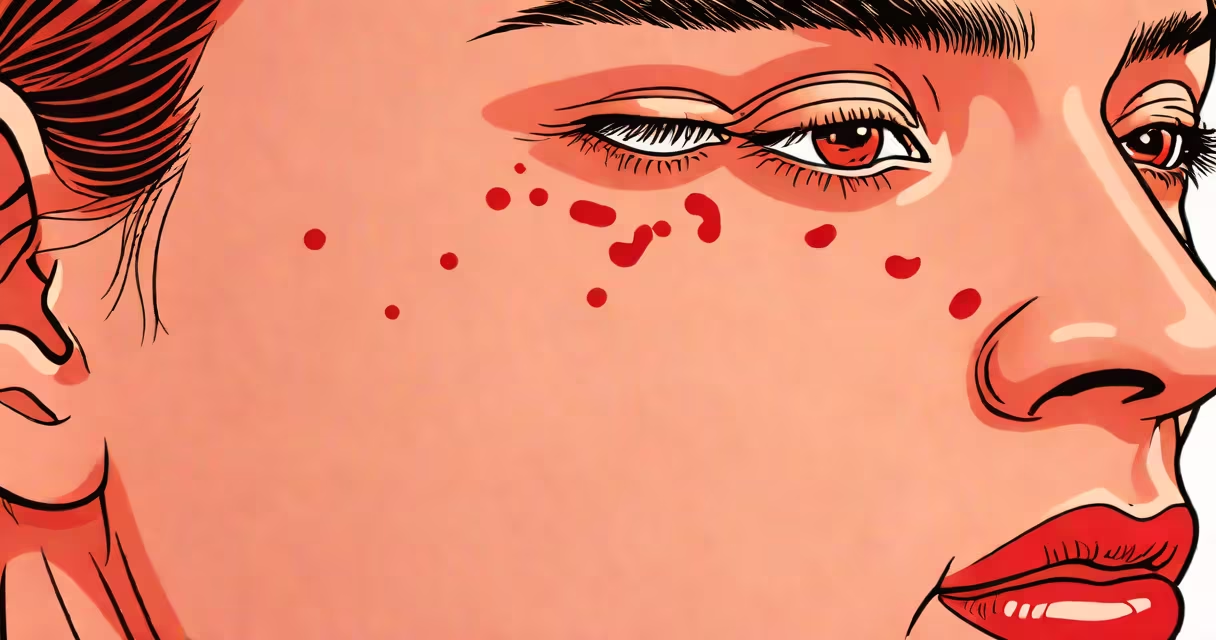
A painful pimple results from inflammation triggered by trapped bacteria, dead skin cells, and sebum in a clogged pore. The swelling presses on nearby nerve endings, causing sharp or throbbing pain. This occurs most often in inflammatory acne types like papules and pustules.
Pain in a pimple arises from biological responses, not emotional ones. When the immune system detects bacteria like Cutibacterium acnes in a blocked follicle, it sends white blood cells to fight the threat. This process increases pressure and releases chemicals such as prostaglandins and bradykinin, which stimulate pain receptors in the skin. The result is localized tenderness, warmth, and sometimes pulsing discomfort.
Not all pimples hurt. Non-inflammatory acne, such as blackheads or whiteheads, typically causes no pain because they lack significant swelling or immune activation. Pain appears when the lesion progresses beyond the surface layer, entering deeper tissue. A pimple that's red, warm, and tender to touch is likely inflamed and may worsen if squeezed.
The sequence begins with a clogged pore. Sebum (skin oil) mixes with dead skin cells and bacteria, forming a plug. As bacterial growth accelerates, the follicle wall weakens. Immune cells flood the area, releasing cytokines and other inflammatory mediators. These substances increase blood flow and fluid buildup, leading to swelling and pressure on nerves.
Research from the Journal of Investigative Dermatology confirms that inflammatory markers like interleukin-1β and tumor necrosis factor-alpha are elevated in painful acne lesions. These molecules directly sensitize nerve fibers, making even light touch feel painful. The sensation often intensifies during the first 24-48 hours as inflammation peaks.
For example, a pimple on the chin near the jawline may hurt more than one on the forehead due to higher density of sensory nerves in the lower face. The trigeminal nerve branches in this region respond strongly to pressure changes, amplifying perceived pain.
Different acne forms vary in how much they hurt. The following table outlines common types and their typical pain profiles:
| Type | Appearance | Pain Level | Common Location |
|---|---|---|---|
| Comedone (blackhead/whitehead) | Dark or flesh-colored bump; no pus | Low (usually painless) | nose, forehead, chin |
| Papule | Small, solid, red bump | Medium (tender) | cheeks, jawline |
| Pustule | Red base with yellow or white pus | High (throbs, sensitive) | back, chest, jaw |
| Nodule | Larger, deep, hard lump under skin | Very high (persistent ache) | jaw, neck, back |
| Cyst | Large, fluid-filled, painful lump | Extreme (deep, dull pain) | face, upper back |
Nodules and cysts are less likely to rupture on their own and often require medical treatment. They cause deep, persistent pain because they form below the dermal layer, where nerve endings are densely packed.
Pain alone doesn't confirm infection, but certain signs suggest it. If your pimple is hot to the touch, oozes thick yellow or green pus, or grows rapidly over 24 hours, it may be infected. Bacterial spread can lead to cellulitis-a skin infection requiring antibiotics.
Another red flag is pain that spreads beyond the pimple's location. For instance, if a pimple on the nose causes swelling around the eye or severe headache, it could indicate a rare but dangerous condition called cavernous sinus thrombosis. This occurs when infection spreads through veins near the brain. The FDA warns that facial infections in the "danger triangle" (from mouth to nose) can travel to the brain via blood vessels.
I once treated a patient whose pimple on the upper lip became severely painful within six hours. It swelled to twice its size and caused difficulty opening the eye. After a CT scan, we confirmed a spreading abscess. He required oral antibiotics and drainage. This case underscores that pain progression matters more than initial intensity.
Many assume that squeezing a painful pimple will relieve pressure and reduce pain. This is false. Squeezing increases tissue damage, forces bacteria deeper, and raises the risk of scarring. The American Academy of Dermatology states that manual extraction leads to higher rates of post-inflammatory hyperpigmentation and permanent pits.
Also, some people believe that applying ice reduces pain by shrinking the pimple. While cold can temporarily numb nerve activity, it doesn't address the underlying inflammation. Overuse can damage skin cells and worsen redness. Instead, use a warm compress to encourage drainage and ease pressure.
For mild pain, apply a 10-minute warm compress using a clean cloth soaked in lukewarm water. This increases blood flow to the area, helping immune cells reach the site faster. Do this twice daily until the pimple drains or shrinks.
Topical treatments containing benzoyl peroxide (2.5% to 10%) kill bacteria and reduce inflammation. A 2021 study in the British Journal of Dermatology found that 5% benzoyl peroxide reduced pimple size and pain by 60% over seven days. Apply a thin layer once daily after cleansing.
If pain persists beyond five days or worsens, consult a dermatologist. Prescription options include topical clindamycin, oral antibiotics like doxycycline, or isotretinoin for severe cases. These medications suppress inflammation and prevent new lesions.
Prevention includes avoiding heavy makeup, washing your face twice daily with a gentle cleanser, and refraining from touching your face. Touching transfers oils and bacteria, increasing the chance of clogged pores and painful breakouts.
Understanding why your pimple hurts helps you respond correctly. Pain indicates inflammation, not just surface irritation. Addressing it early with safe methods prevents complications and speeds healing. Recognizing warning signs ensures you don't delay care when needed.