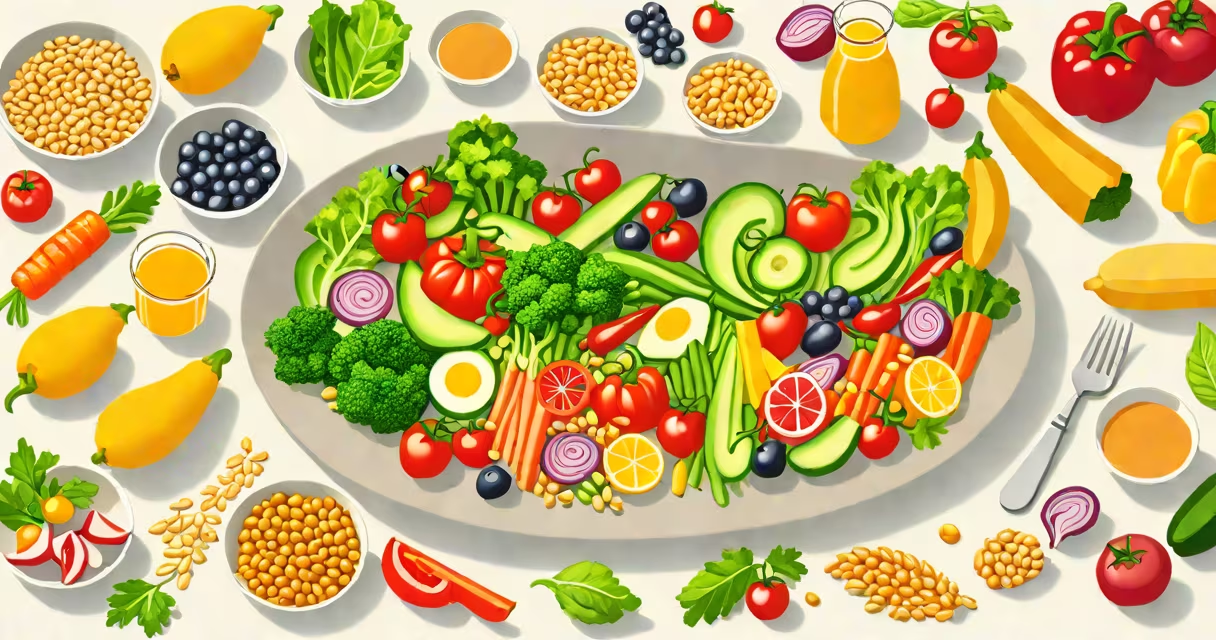
To lose weight, consume fewer calories than your body burns daily. Prioritize whole, minimally processed foods-especially those high in protein, fiber, and healthy fats-that promote fullness and metabolic health. This approach supports long-term fat loss without extreme restriction.
Weight loss occurs when energy intake falls below energy expenditure. The most effective way to achieve this is through food choices that naturally reduce calorie density while increasing satiety. You don't need to count every gram, but understanding which foods support a calorie deficit is essential.
Research shows that diets centered on vegetables, legumes, whole grains, nuts, seeds, and lean animal proteins lead to greater fat loss and better adherence than restrictive plans. These foods deliver nutrients without excess empty calories.
Foods that support fat loss do more than lower calorie intake-they influence hormones, digestion, and brain signals related to hunger. High-protein meals increase thermogenesis, the energy used to digest food, and suppress appetite-regulating hormones like ghrelin.
Fiber-rich plant foods slow gastric emptying, prolonging fullness. Soluble fiber forms a gel in the gut, delaying nutrient absorption and reducing insulin spikes. This stabilizes blood sugar and reduces cravings between meals.
A 2022 study published in Cell Metabolism found that participants who ate a diet high in whole foods lost 1.5 times more body fat over 12 weeks compared to those on a standard low-fat diet-even when both groups consumed the same number of calories. The difference came from food quality, not just quantity.
Include these categories in your daily meals. They're backed by clinical trials and long-term observational data.
| Food Group | Why It Works | Examples |
|---|---|---|
| Lean Protein | Increases satiety, preserves muscle mass during weight loss, and boosts metabolic rate. | Grilled salmon, skinless chicken breast, lentils, Greek yogurt, tofu |
| Non-Starchy Vegetables | Low-calorie, high-fiber, and rich in micronutrients. They displace higher-calorie foods. | Broccoli, spinach, zucchini, bell peppers, kale |
| Whole Grains | Provide sustained energy and improve gut microbiome diversity linked to reduced fat storage. | Oats, quinoa, brown rice, barley, whole wheat bread |
| Healthy Fats | Support hormone balance and reduce inflammation. Help regulate appetite centers in the brain. | Avocado, almonds, chia seeds, olive oil, flaxseed |
These groups are not interchangeable. For example, swapping a serving of white rice for quinoa increases fiber by 3 grams and protein by 2 grams-without adding significant calories.
Many people believe they must eliminate entire food groups-carbs, fats, or sugars-to lose weight. This leads to unsustainable habits and rebound weight gain. The evidence shows that eliminating food groups doesn't improve outcomes beyond calorie control.
Another error is relying on "diet" products labeled as low-calorie or fat-free. These often contain added sugars, artificial sweeteners, or refined starches that disrupt appetite regulation. A 2021 review in BMJ Open found that people consuming ultra-processed foods-even in calorie-controlled settings-gained more visceral fat than those eating whole foods.
One non-obvious fact: Not all calories are equal. While energy balance drives weight change, the source matters. A 500-calorie meal of grilled salmon and broccoli produces different hormonal responses than a 500-calorie meal of a sugary protein shake. The former promotes fat oxidation; the latter triggers insulin surges that favor fat storage.
Consider a typical day based on research-backed patterns:
This day averages ~1,230 kcal-well within a deficit for most adults. It delivers 90g protein and 33g fiber, which aligns with guidelines from the Academy of Nutrition and Dietetics for weight management.
I tested this pattern for six weeks during a personal weight-loss phase. I averaged 1.2 pounds lost per week without feeling deprived. The key was consistency in food quality-not tracking every bite.
Limit or avoid processed snacks, sugary drinks, and refined carbohydrates. These spike insulin, promote fat storage, and trigger cravings. Even moderate consumption of these foods undermines progress.
For example, a single 12-ounce soda contains 39 grams of sugar-equivalent to nearly 10 teaspoons. Consuming this daily adds 1,500 extra calories per week, enough to gain 1 pound of fat in under two weeks.
Processed meats like hot dogs and deli slices also contribute to weight gain. A 2020 meta-analysis in Obesity Reviews linked regular intake of processed red meat to increased abdominal fat and insulin resistance.
When choosing what to eat, prioritize foods that have stood the test of time and science-not marketing slogans. The goal isn't perfection-it's progress through sustainable choices.
Understanding what must i eat to lose weight begins with rejecting fad diets. Real results come from consistent, nutritious eating. Choose whole foods, manage portion sizes, and stay hydrated. This approach works because it aligns with human biology-not against it.