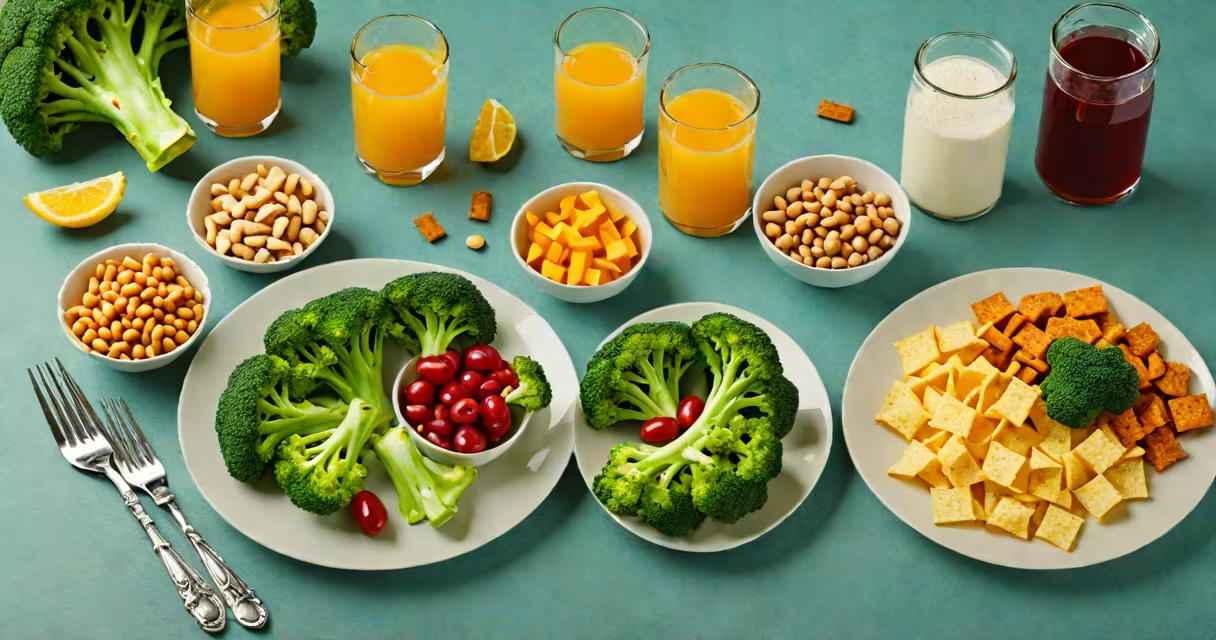
Foods to avoid with PCOS and thyroid include highly processed items, refined carbohydrates, added sugars, and certain cruciferous vegetables when consumed raw in excess. These foods can exacerbate insulin resistance, disrupt hormonal balance, and interfere with thyroid hormone production.
Polycystic ovary syndrome (PCOS) and thyroid disorders often coexist and share overlapping metabolic challenges. Both conditions involve hormonal imbalances that affect insulin sensitivity, inflammation, and energy regulation. When dietary choices worsen these pathways, symptoms like fatigue, weight gain, mood swings, and irregular cycles intensify.
The core issue lies in food-driven inflammation and insulin spikes. High-glycemic foods trigger rapid blood sugar surges, leading to insulin resistance-a key driver in both PCOS and hypothyroidism. Chronic insulin resistance reduces thyroid hormone conversion (T4 to T3) and increases androgen levels, worsening PCOS symptoms.
Processed foods and added sugars cause rapid glucose spikes. The body responds with insulin release. Over time, cells become less sensitive to insulin, requiring higher levels to manage blood sugar. This state, known as insulin resistance, is central to PCOS pathophysiology and linked to reduced thyroid function.
A 2020 study published in Endocrine Connections found that women with PCOS who consumed diets high in refined carbohydrates had higher insulin levels and lower free T3 concentrations compared to those on low-glycemic diets. This demonstrates a direct link between food quality and thyroid hormone availability.
Goitrogenic foods-such as raw kale, spinach, cabbage, and Brussels sprouts-can interfere with iodine uptake in the thyroid gland. While cooked versions are safe, consuming large amounts of raw goitrogens may suppress thyroid function, especially in individuals with iodine deficiency or existing hypothyroidism.
Not all foods are equally harmful. Focus on eliminating or minimizing these categories:
| Foods to Limit or Avoid | Why They're Problematic | Examples |
|---|---|---|
| Refined carbohydrates | Trigger insulin spikes and promote fat storage | White bread, pastries, sugary cereals |
| Added sugars | Drive inflammation and worsen insulin resistance | Soda, candy, sweetened yogurt |
| High-goitrogen raw vegetables | May inhibit thyroid hormone synthesis | Raw kale, broccoli, cauliflower, turnips |
| Industrial seed oils | High in omega-6 fats, promoting systemic inflammation | Vegetable oil, soybean oil, sunflower oil |
| Ultra-processed snacks | Often contain hidden sugars, trans fats, and artificial additives | Chips, flavored popcorn, store-bought muffins |
For context, a 2019 review in Thyroid Research noted that excessive intake of raw cruciferous vegetables was associated with increased risk of goiter in populations with marginal iodine intake. However, cooking these vegetables reduces goitrogen activity by up to 50%, making them safer in moderation.
Many assume that all cruciferous vegetables must be avoided entirely. This is incorrect. Cooking neutralizes most goitrogens. A 2021 study in Nutrients showed that boiling kale for 10 minutes reduced glucosinolate levels by 68%. Steaming or sautéing also lowers bioactivity.
Another misconception is that all dairy must be eliminated. While some people with PCOS report improved symptoms on dairy-free diets, research shows that full-fat dairy may support insulin sensitivity due to conjugated linoleic acid (CLA) and vitamin D. The issue arises with lactose and casein in processed forms. Opt for plain, unsweetened Greek yogurt or fermented dairy like kefir instead.
There's also confusion around soy. Soy contains phytoestrogens, which can mimic estrogen. But clinical trials show mixed results. A 2022 meta-analysis in Journal of Clinical Endocrinology & Metabolism found no significant impact on thyroid function in healthy adults consuming moderate soy. However, individuals on levothyroxine should take their medication at least four hours apart from soy-based foods to avoid absorption interference.
Sarah, a 32-year-old woman with diagnosed PCOS and subclinical hypothyroidism, struggled with fatigue and weight gain despite consistent exercise. Her diet included daily granola bars, black coffee with syrup, and frozen meals with high sodium and sugar.
After consulting a registered dietitian, she removed all added sugars and refined grains. She swapped her morning bar for a bowl of steel-cut oats with chia seeds and berries. She replaced frozen dinners with homemade meals using roasted vegetables and lean protein. She began cooking cruciferous vegetables instead of eating them raw.
Within eight weeks, Sarah reported improved energy levels. Her fasting insulin dropped from 12 μU/mL to 7.5 μU/mL. Free T3 levels rose by 15%, and her menstrual cycle became more regular. Her doctor attributed the changes to reduced dietary triggers of insulin resistance and inflammation.
Instead of focusing solely on elimination, prioritize nutrient-dense whole foods. Include high-fiber vegetables (cooked), lean proteins, healthy fats (avocado, olive oil, nuts), and complex carbohydrates like quinoa and sweet potatoes.
For thyroid health, ensure adequate iodine from sea vegetables or iodized salt, selenium from Brazil nuts, and zinc from pumpkin seeds. These nutrients support thyroid hormone synthesis and conversion.
When managing both PCOS and thyroid issues, focus on consistency, not perfection. Small shifts-like swapping soda for sparkling water with lemon-compound over time. One study in Metabolic Syndrome and Related Disorders found that participants who reduced added sugar intake by just 10 grams per day saw measurable improvements in insulin sensitivity within six weeks.
Foods to avoid with PCOS and thyroid are not a one-size-fits-all list. Individual responses vary based on genetics, gut health, and hormone levels. But consistently reducing processed foods, added sugars, and raw goitrogenic vegetables improves metabolic and hormonal outcomes for most people.