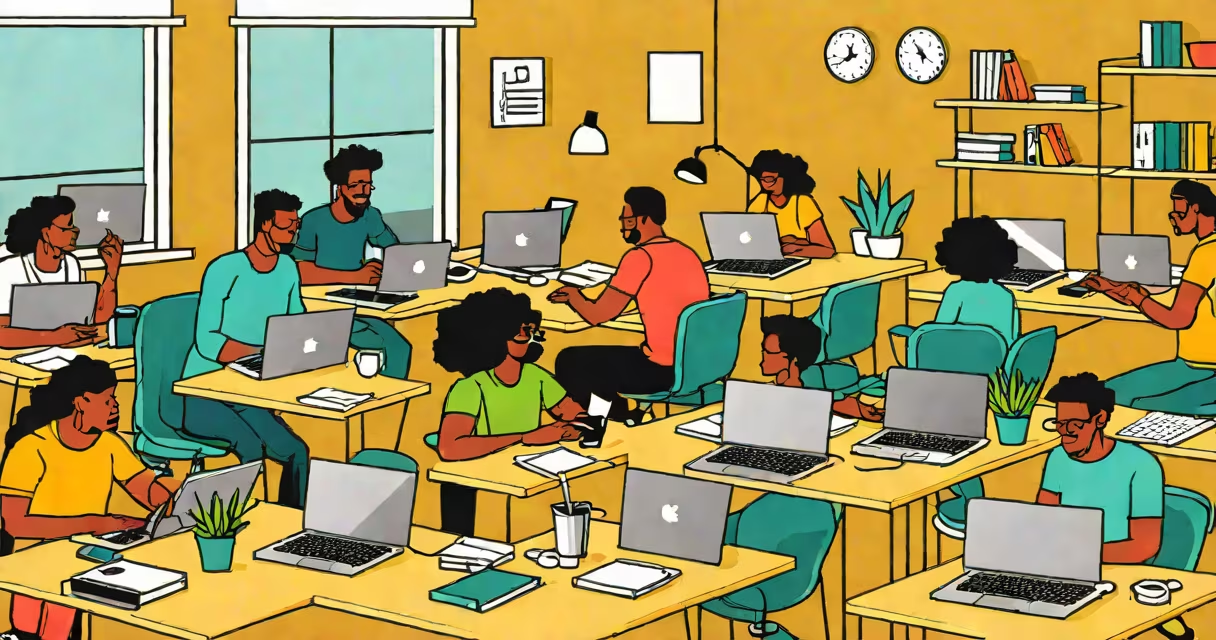
Digital creators produce original content-videos, images, audio, animations, and interactive experiences-using digital tools and platforms. They design, produce, and distribute media to engage audiences online, often building personal brands and earning income through subscriptions, ads, sponsorships, or direct sales.
These individuals operate across fields including video production, graphic design, music composition, web development, social media curation, and game design. Their work spans short-form content on TikTok and Instagram Reels to long-form documentaries, podcasts, and digital art exhibitions. Success depends on technical skill, audience insight, and consistent output.
According to the U.S. Bureau of Labor Statistics, employment in multimedia and digital content creation is projected to grow 11% from 2022 to 2032-faster than average for all occupations-driven by rising demand for online content across industries.
They begin with ideation: identifying topics, themes, or stories that resonate with specific audiences. This phase involves research, trend analysis, and understanding platform algorithms. For example, a creator targeting Gen Z on TikTok might focus on quick, visually driven narratives with trending audio.
Production follows using software such as Adobe Premiere Pro for video editing, Audacity for audio, or Blender for 3D animation. A single YouTube video may take 15 hours to plan, shoot, edit, and publish, depending on complexity. Tools like Canva simplify design tasks, while AI-assisted features now support scripting, voice synthesis, and thumbnail generation.
After publishing, creators track performance via analytics tools. Metrics like watch time, shares, and follower growth inform future content decisions. A creator who sees high drop-off rates at the 30-second mark may revise their intro sequence to improve retention.
Creators specialize based on medium, audience, and delivery method. The table below outlines common categories:
| Type | Primary Output | Common Platforms | Monetization Methods |
|---|---|---|---|
| Video Content Creator | Short or long-form videos | YouTube, TikTok, Instagram | Ad revenue, sponsorships, merch |
| Podcaster | Audio episodes | Spotify, Apple Podcasts, YouTube Audio | Listener donations, brand deals |
| Visual Artist | Illustrations, digital paintings, NFTs | Instagram, ArtStation, OpenSea | Sales, commissions, licensing |
| Writer/Content Strategist | Blogs, newsletters, scripts | Substack, Medium, LinkedIn | Subscriptions, affiliate links |
Each role requires distinct skills. A YouTuber needs camera operation, lighting, scripting, and editing. A podcast host must master vocal pacing, sound mixing, and episode structuring. Visual artists rely on digital drawing tablets and software like Procreate or Photoshop.
Organizations increasingly hire digital creators for marketing, education, and entertainment. A university might commission a video series on climate science, produced by a creator with science communication expertise. A tech startup uses animated explainers to simplify product features for users.
Platforms like Patreon allow creators to fund work directly through fan support. As of 2023, Patreon reported over 1 million active creators earning income through member subscriptions, with top earners making $10,000+ monthly.
Creators also influence culture. The rise of internet personalities like MrBeast, Emma Chamberlain, and Linus Tech Tips demonstrates how digital content shapes public discourse, trends, and consumer behavior. These figures don't just entertain-they build communities around shared interests.
Many assume digital creators only make viral videos or sell merchandise. But most spend significant time behind the scenes: researching, scripting, editing, managing emails, and analyzing feedback. A creator posting daily on TikTok may spend 10 hours weekly on content planning alone.
Another misconception is that success requires massive followings. In reality, niche creators thrive. A person producing detailed tutorials on vintage synthesizers can earn steady income from ad revenue and course sales despite having fewer than 10,000 followers.
Creators are not interchangeable with influencers. While both reach audiences, influencers often promote products they don't use. Creators typically produce original work-art, music, educational content-rather than endorsing goods. A beauty influencer promoting skincare products differs from a makeup artist creating tutorial videos on proper application techniques.
I once spent six weeks developing a 12-minute documentary about urban gardening in Detroit. I interviewed 11 residents, filmed in low light with a smartphone, edited using free software, and released it on Vimeo. It reached 85,000 views in three months-enough to cover travel costs and inspire local community groups to start similar projects. That outcome wasn't luck. It was consistent effort, clear narrative structure, and authentic storytelling.
Core competencies include visual storytelling, basic coding (for websites or interactive content), audio editing, and platform-specific formatting. Understanding metadata, hashtags, and algorithmic preferences improves visibility. A creator uploading a video to YouTube must consider thumbnail design, title length, and closed captions to maximize accessibility and searchability.
For those exploring careers in digital creation, learning foundational skills early pays off. Free resources like YouTube's "Create with Google" series and Khan Academy's media arts courses offer structured training. Institutions like the School of Visual Arts in New York and California Institute of the Arts offer accredited programs in digital media.
Digital creators differ from traditional media producers in autonomy and workflow. A network TV editor works under tight schedules and editorial oversight. A digital creator controls their schedule, content direction, and branding. They may collaborate with others but retain ownership of their intellectual property.
They also differ from freelance designers or writers who deliver fixed projects. A digital creator builds ongoing relationships with audiences. Their work evolves based on feedback, trends, and personal growth. A creator focused on sustainable fashion might shift from reviewing eco-friendly fabrics to hosting live Q&A sessions with industry experts.
Unlike automated content generators, human creators bring emotional intelligence, cultural context, and ethical judgment. An AI tool can generate a 60-second video about climate change, but only a human creator can convey urgency, nuance, and call to action in a way that moves viewers to act.
Understanding what digital creators do clarifies their role in shaping modern communication. They are not just entertainers or marketers-they are storytellers, educators, and cultural participants. Their work influences how we learn, connect, and understand the world.
Whether crafting a 15-second dance video or producing a feature-length film, digital creators use tools and platforms to share meaning. Their impact extends beyond views and likes-it lies in connection, expression, and innovation. The core function remains unchanged: create something new, share it widely, and sustain a dialogue with an audience.