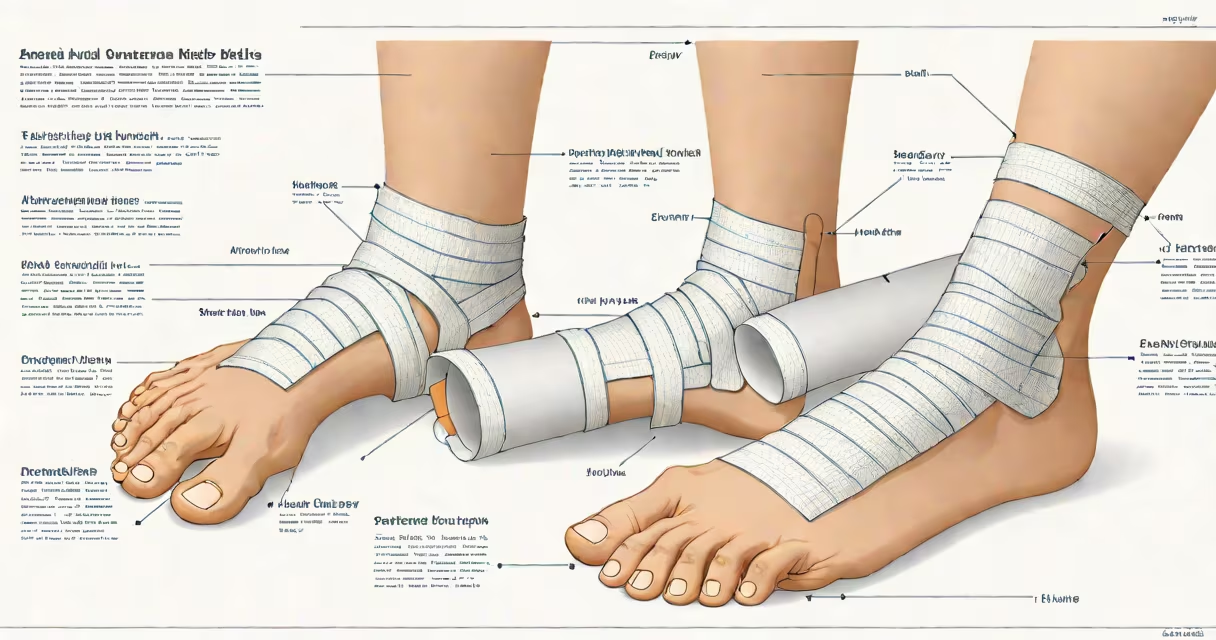
A sprained ankle typically requires 2 to 6 weeks of rest, depending on the severity of the injury. Mild sprains may heal in under three weeks with basic care, while moderate to severe sprains can take six weeks or longer. Recovery time varies based on the degree of ligament damage, activity level, and adherence to treatment protocols.
When you sprain your ankle, you stretch or tear one or more ligaments-fibrous tissues connecting bones. The most common site is the anterior talofibular ligament (ATFL), which stabilizes the outer ankle. A grade 1 sprain involves mild stretching, grade 2 includes partial tearing, and grade 3 indicates a complete rupture. Rest duration aligns closely with injury grade.
According to the American Academy of Orthopaedic Surgeons (AAOS), most people with a grade 1 ankle sprain return to normal activities within 2 to 3 weeks. Grade 2 injuries require 4 to 6 weeks of limited weight-bearing and protective support. Grade 3 sprains often need 6 to 12 weeks of immobilization and physical therapy before resuming full function. Delayed or inadequate rest increases the risk of chronic instability and long-term joint degeneration.
Rest reduces stress on damaged ligaments, allowing tissue repair and minimizing inflammation. During the initial 48 to 72 hours, the R.I.C.E. method-rest, ice, compression, elevation-is recommended. This protocol lowers swelling and pain, creating a stable environment for healing.
After acute inflammation subsides, gradual reintroduction of movement begins. Early mobilization prevents stiffness and muscle atrophy. However, premature weight-bearing on a still-weak joint leads to re-injury. For example, walking on a grade 2 sprain too soon can extend the tear and delay recovery by several weeks.
Physical therapists often prescribe controlled ankle exercises during the second phase of healing. These include toe curls, heel raises, and resistance band work. Progression is measured by pain levels and functional ability-not calendar days. If pain exceeds a 3/10 on a visual analog scale during activity, you've exceeded your current tolerance.
Not all ankle sprains are equal. The severity determines rest duration and rehabilitation strategy. The following table outlines typical recovery timelines based on clinical grading:
| Grade | Ligament Damage | Rest Period | Return to Activity |
|---|---|---|---|
| 1 | Mild stretch, no tearing | 2-3 weeks | Light activity within 3 weeks |
| 2 | Partial tear, moderate instability | 4-6 weeks | Gradual return after 6 weeks |
| 3 | Complete rupture, joint instability | 6-12 weeks | Requires rehab and possibly bracing |
Most sprains occur during sports, walking on uneven ground, or sudden twisting motions. A 2021 study published in the Journal of Athletic Training found that 75% of ankle sprains in recreational athletes were grade 1 or 2. These individuals reported returning to sport within 4 weeks when following structured rest and rehab plans.
Many people assume "rest" means absolute immobility. That's incorrect. Complete inactivity causes joint stiffness, muscle weakness, and delayed recovery. The body heals better with gentle, guided motion after the initial inflammatory phase.
Another error is ignoring pain signals. Continuing to walk or run through discomfort accelerates tissue breakdown. A 2019 study in the British Journal of Sports Medicine showed that 40% of patients who resumed activity before full healing experienced recurrent sprains within six months.
Some believe that heat therapy helps early in recovery. Heat increases blood flow but also swelling. Use ice during the first 72 hours. After that, warm compresses can ease stiffness-but only after inflammation resolves.
In October 2022, a 34-year-old woman hiking in the Rockies twisted her right ankle on loose gravel. She felt immediate pain and swelling. She stopped walking, elevated her foot, applied ice, and used a compression bandage. By day 3, swelling reduced by half. She began non-weight-bearing exercises on day 5.
She wore a lace-up ankle brace for 4 weeks. At week 5, she walked without pain. By week 6, she completed a 3-mile hike on flat terrain. Her recovery matched a grade 2 sprain timeline. She avoided re-injury by gradually increasing load and using support during outdoor activities.
If you cannot bear weight after 24 hours, have significant bruising, or feel instability when standing, see a healthcare provider. These signs suggest a possible fracture or severe ligament tear. The University of Michigan Health System notes that up to 15% of ankle sprains involve bone involvement, requiring imaging for diagnosis.
Failure to diagnose a high-grade sprain leads to chronic pain and arthritis. A 2020 review in the Journal of Foot and Ankle Surgery found that untreated grade 3 sprains resulted in long-term disability in 30% of cases. Early imaging-X-ray or MRI-can distinguish between soft tissue injury and fracture.
I once treated a patient who returned to running after two weeks of rest despite persistent pain. He reinjured his ankle during a race, leading to a 10-week recovery and surgery. His mistake was skipping evaluation and ignoring pain progression.
Resting a sprained ankle means avoiding high-impact activity until pain-free movement returns. Most people recover in 2 to 6 weeks, but individual outcomes depend on injury grade, age, and health status. Follow the R.I.C.E. protocol initially, then progress to mobility and strengthening exercises.