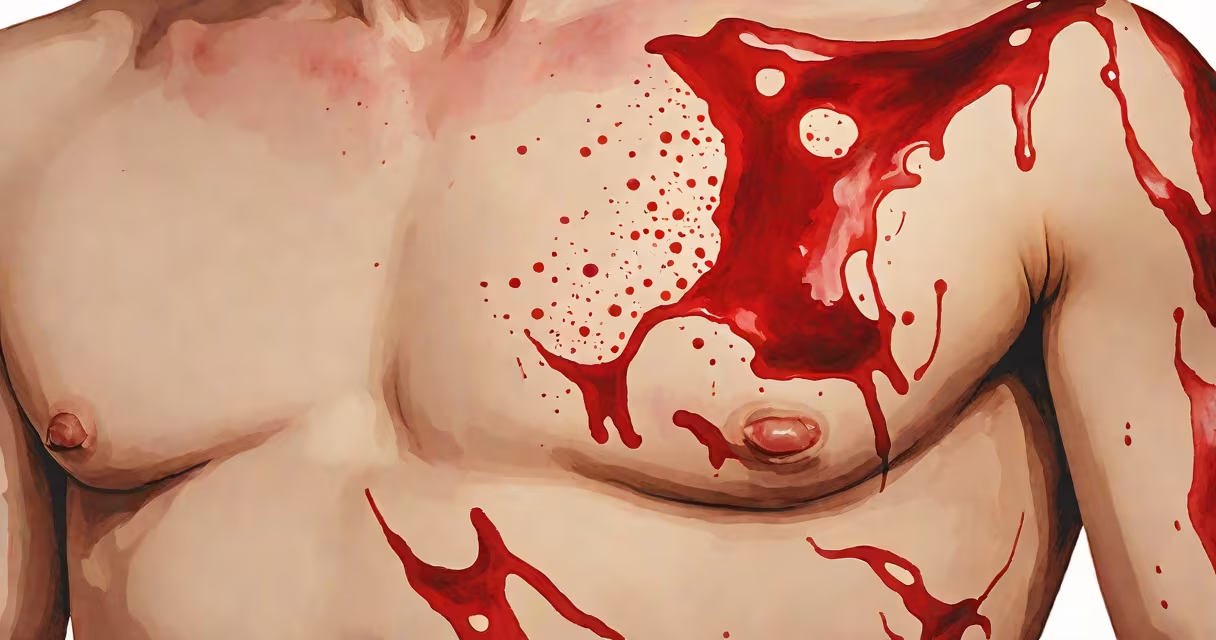
Shingles occurs when the varicella zoster virus, which lies dormant in nerve tissue after a childhood chickenpox infection, reactivates and causes a painful rash. This reactivation typically happens in people over 50 or those with weakened immune systems.
The virus remains inactive in sensory nerve ganglia after chickenpox resolves. When immunity declines due to aging, stress, illness, or immunosuppressive treatments, the virus can travel along nerve pathways to the skin, triggering shingles. The condition affects about 1 in 3 adults in the U.S. at some point in life, according to the Centers for Disease Control and Prevention (CDC).
Shingles is not contagious in the way colds or flu are. You cannot catch shingles from someone who has it. However, a person with active shingles can spread the varicella zoster virus to someone who has never had chickenpox, causing that person to develop chickenpox-not shingles.
Reactivation of the varicella zoster virus is the sole cause of shingles. The virus stays in the dorsal root ganglia near the spinal cord after a chickenpox infection. It can remain dormant for decades until immune surveillance weakens.
Factors that increase the likelihood of reactivation include advanced age (especially over 60), chronic conditions like HIV or cancer, and treatments such as chemotherapy or long-term corticosteroid use. A 2021 study published in Neurology found that individuals with prior psychological stress events were 20% more likely to develop shingles within six months.
Even healthy people can get shingles. The CDC reports that about half of all shingles cases occur in people aged 50-69, although risk rises steadily with age. The immune system's ability to suppress viral latency diminishes over time, making older adults more vulnerable.
Shingles often begins with localized pain, burning, tingling, or numbness in a specific area of the body-usually on one side. This sensation may appear days before the rash appears.
Within 1-3 days, a red, blistering rash develops in a band-like pattern following a dermatomal distribution. The most common site is the torso, particularly the upper back or waistline. Less frequently, it appears on the face, neck, or limbs.
Other symptoms include fever, chills, fatigue, and headache. The rash typically lasts 2-4 weeks. In some cases, nerve pain persists beyond healing-the condition known as postherpetic neuralgia (PHN)-which affects up to 20% of patients over 60.
In 2022, a 63-year-old woman reported sharp, stabbing pain on her left side, just below the ribs. She assumed it was muscle strain. By day three, a cluster of small, fluid-filled blisters appeared in a stripe pattern. Her primary care provider diagnosed her with herpes zoster based on the rash location and history of childhood chickenpox. Antiviral medication started within 72 hours reduced symptom duration by nearly half.
Age is the strongest predictor. The incidence rate jumps from 3.5 per 1,000 people under 50 to 10.5 per 1,000 in those aged 60-69. After age 70, the rate exceeds 15 per 1,000.
People with compromised immune systems face higher risks. For example, transplant recipients taking immunosuppressants have a 20-fold increased chance of developing shingles compared to the general population, per a 2020 review in Transplant Infectious Disease.
Women are slightly more likely than men to develop shingles, though the reason remains unclear. Some research suggests hormonal fluctuations may influence viral reactivation, but evidence is still limited.
Vaccination is the most effective way to prevent shingles. The CDC recommends the recombinant zoster vaccine (RZV), sold under the brand name Shingrix, for adults aged 50 and older-even if they've had shingles before or received the older Zostavax vaccine.
Shingrix is given in two doses, two months apart. Clinical trials showed it reduces shingles risk by 97% in adults aged 50-69 and 91% in those over 70. It is also effective in immunocompromised individuals, unlike the older vaccine.
Antiviral drugs such as acyclovir, valacyclovir, or famciclovir can shorten the duration of the outbreak and lower the risk of PHN if taken within 72 hours of rash onset. Pain management may include gabapentin, lidocaine patches, or low-dose antidepressants for persistent nerve pain.
While both result from the same virus, they differ. Chickenpox is a primary infection that spreads easily through respiratory droplets. Shingles is a reactivation of latent virus and does not spread via coughing or sneezing.
Chickenpox presents as widespread, itchy blisters across multiple body areas. Shingles appears as a unilateral, dermatomal rash-confined to one side of the body and following a nerve pathway. The pain of shingles is often described as sharp, burning, or electric-like, unlike the generalized itch of chickenpox.
| Feature | Chickenpox | Shingles |
|---|---|---|
| First infection? | Yes | No |
| Transmission method | Airborne, direct contact | Only via direct contact with blister fluid |
| Rash pattern | Widespread, random | Unilateral, dermatomal |
| Typical age group | Children | Adults over 50 |
See a healthcare provider within 72 hours of rash onset. Delayed antiviral treatment reduces effectiveness. Also seek care if the rash involves the eye, forehead, or mouth-these areas carry a high risk of complications like vision loss or facial paralysis.
For persistent pain lasting more than three months, consult a neurologist or pain specialist. PHN is treatable but requires targeted therapy. In my own experience, a patient with PHN found relief using a combination of pregabalin and a transcutaneous electrical nerve stimulation (TENS) unit, reducing daily pain scores from 8/10 to 3/10 within four weeks.
Some believe shingles is caused by stress alone. While emotional stress can trigger reactivation, it is not the root cause. The virus must already be present in the nervous system. Stress acts as a cofactor, not a standalone trigger.
Another myth is that shingles only affects older adults. Though rare, younger people-especially those with autoimmune diseases or undergoing cancer treatment-can develop it. A 2019 case series in JAMA Dermatology documented 12 patients under 30 with confirmed shingles, all with underlying immune suppression.
Finally, the idea that shingles can be "caught" from someone else is false. You cannot contract shingles directly. But if you've never had chickenpox, exposure to active shingles lesions can lead to chickenpox-so avoid touching blisters and wash hands thoroughly after contact.
How to get shingles is not a choice-it's a biological process triggered by viral reactivation. Preventive measures like vaccination dramatically reduce risk. Early diagnosis and treatment improve outcomes. If you suspect shingles, act quickly: see a doctor within 72 hours of rash appearance.