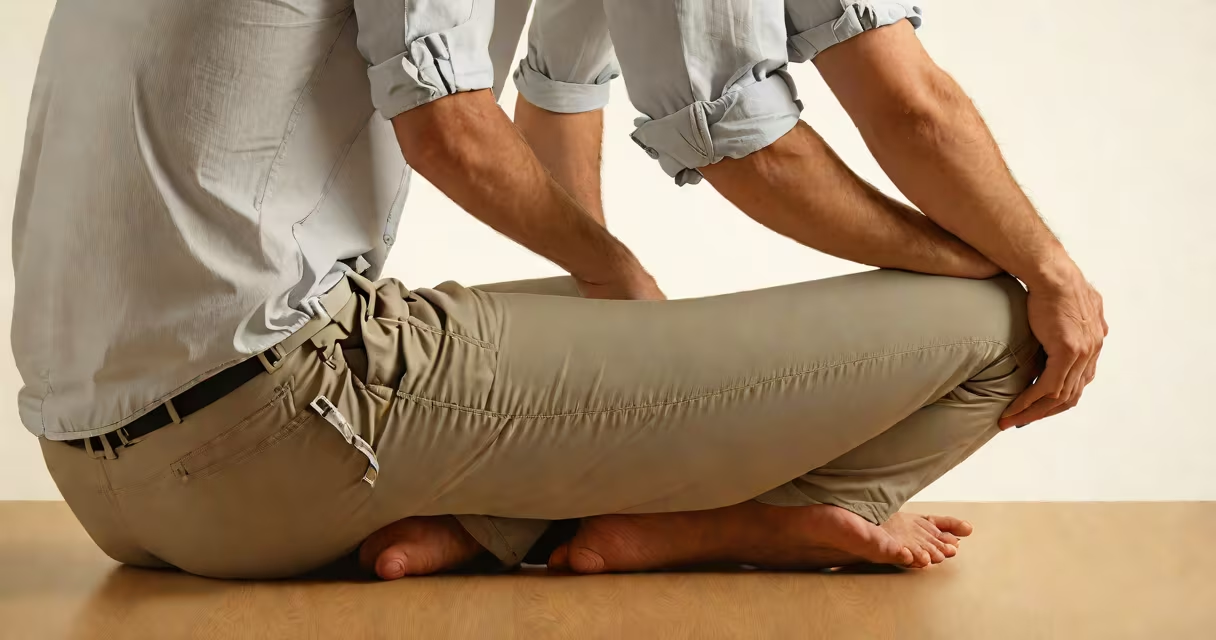
If you tweaked your back, you likely experienced a sudden, sharp pain from overstretching or straining a muscle or ligament in the lower back. This is often called a muscle strain or sprain and typically resolves within days to weeks with proper care.
Back tweaking usually results from lifting something heavy, twisting suddenly, or poor posture during daily tasks. The injury affects the muscles, tendons, or joints in the lumbar region-the lower back-and may cause stiffness, limited mobility, or localized pain. Most cases don't involve nerve damage or structural issues like herniated discs.
According to the American Academy of Orthopaedic Surgeons (AAOS), about 80% of adults experience low back pain at some point, and most resolve without surgery. The key is managing symptoms early to prevent worsening.
When you move suddenly-like bending to pick up a dropped item-you can overstress the muscles and connective tissues in the lower back. The spine's stability relies on these soft tissues. When they're overstretched or torn, inflammation and pain follow.
The body responds with protective muscle spasms. These tighten around the injured area to limit movement and reduce further damage. While this is natural, prolonged spasm can worsen stiffness and delay healing.
A 2021 study in Spine Journal found that patients who began gentle movement within 48 hours of a minor back strain recovered faster than those who remained immobile. Delayed activity increases risk of chronic pain and reduced function.
Stop the activity causing pain. Avoid bending, twisting, or lifting anything heavier than a liter of water for the first 48 hours.
Apply ice to the painful area for 15-20 minutes every 2-3 hours during the first day. Ice reduces swelling and numbs pain. After 48 hours, switch to heat to relax tight muscles.
Move gently. Walking for 10-15 minutes every few hours helps maintain circulation and prevents stiffness. Avoid long periods lying down-studies show extended bed rest slows recovery.
Mild back tweaks usually improve in 3-7 days. Pain should decrease progressively. If pain persists beyond 10 days or worsens, consult a healthcare provider.
Seek medical attention if you experience:
These signs may indicate nerve compression or cauda equina syndrome-a rare but serious condition requiring urgent treatment.
For reference, the Mayo Clinic states that only 1% of back pain cases stem from serious underlying conditions. Most are musculoskeletal and self-limiting.
Many people assume "rest" means staying in bed for days. That's incorrect. Prolonged inactivity leads to muscle atrophy and increased stiffness. The body adapts poorly to disuse.
Another error is using painkillers like ibuprofen or acetaminophen too frequently. While they help manage pain, overuse can lead to gastrointestinal bleeding or liver damage. Follow dosage instructions strictly.
Some believe stretching immediately after injury helps. That's risky. Stretching inflamed tissue can worsen microtears. Wait until pain has eased-usually after 48 hours.
After the acute phase, focus on gentle strengthening and flexibility. Try pelvic tilts: lie on your back, knees bent, and gently rock your pelvis forward and backward. Do 10 reps twice daily.
Walking is one of the most effective recovery tools. A 2019 randomized trial published in JAMA Internal Medicine showed that patients with acute low back pain who walked daily had better outcomes than those who rested.
Physical therapy improves long-term recovery. A therapist can assess your movement patterns and correct imbalances. For example, weak glutes or tight hip flexors often contribute to back strain. Addressing them reduces recurrence.
If pain lasts longer than two weeks despite home care, consult a doctor or physical therapist. Imaging like MRI is rarely needed initially unless red flags appear.
Some people confuse back tweaks with sciatica. Sciatica involves irritation of the sciatic nerve, causing shooting pain down the leg. A tweaked back causes localized pain. If pain travels below the knee, it's not just a strain.
I once tweaked my back while moving a bookshelf. I sat on the floor for 20 minutes, thinking rest meant stillness. By the next morning, stiffness had spread. I started walking slowly and did gentle cat-cow stretches. Within five days, pain was gone. The lesson: motion is medicine.
When you tweak your back, treat it like a minor muscle strain: stop aggravating movements, apply ice, move gently, and avoid prolonged bed rest. Most cases improve in a week. Seek help if symptoms persist or worsen.
Understanding the difference between normal strain and neurological warning signs prevents unnecessary anxiety and delays in care. Early action supports faster recovery and reduces risk of chronic pain.