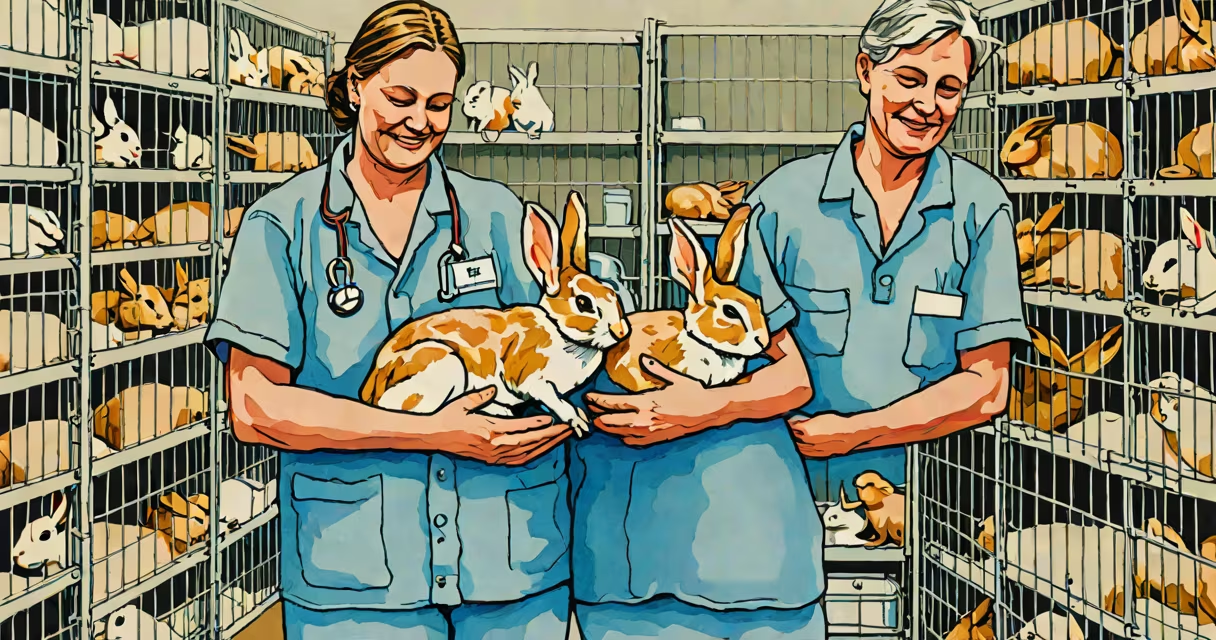
The RSPCA is the Royal Society for the Prevention of Cruelty to Animals, the UK's largest independent animal welfare charity. It investigates reports of animal abuse, rescues suffering animals, operates shelters, and campaigns for stronger animal protection laws.
Founded in 1824, the RSPCA has evolved from a small group of reformers into a national network with over 1,000 staff and 15,000 volunteers. Its mission is to prevent cruelty and promote humane treatment of animals across all species, from farm livestock to household pets and wildlife.
The organization runs 146 animal rescue centers and 16 animal hospitals nationwide. It receives around 150,000 calls annually about suspected animal neglect or abuse. Each report triggers a formal investigation by RSPCA inspectors, who have legal powers to enter properties and seize animals in distress.
RSPCA inspectors are trained professionals with police-style powers under the Animal Welfare Act 2006. They can enter premises without a warrant if they suspect cruelty, remove animals from dangerous situations, and issue prosecution notices. Inspectors are not police officers but work closely with local authorities and courts.
When an animal is seized, it goes to an RSPCA center for medical care, behavioral assessment, and placement. The average cost to rehabilitate a single dog is £1,200. For a cat, it's £650. These figures cover veterinary treatment, food, housing, and behavioral therapy.
For example, in 2022, RSPCA inspectors responded to a call about a dog left chained in a garden during winter. The dog was severely underweight, dehydrated, and had frostbite on its paws. After being rescued, it received six weeks of treatment and was adopted into a permanent home. The owner faced prosecution and was fined £3,500.
The RSPCA is a registered charity with a board of trustees overseeing strategy and governance. It is not funded by government grants. Instead, it relies entirely on public donations, legacies, and fundraising events. In 2022-2023, it raised £142 million from 2.3 million donors.
Of that income, 77% went directly to frontline services such as animal rescue, veterinary care, and education. The remaining 23% covered administration, fundraising, and outreach. This ratio exceeds the Charity Commission's recommended benchmark of 75% for direct service spending.
Unlike some animal charities, the RSPCA does not operate pet adoption agencies in partnership with local councils. It manages its own network of shelters and rehoming centers. This allows consistent standards across locations and ensures animals receive uniform care regardless of region.
| Service Type | Annual Volume | Key Outcome |
|---|---|---|
| Animal Rescue Operations | 115,000 incidents | Over 100,000 animals rescued |
| Veterinary Treatments | 220,000 procedures | 92% survival rate for treated animals |
| Public Education Campaigns | 450 schools reached | 200,000 children taught animal welfare basics |
The RSPCA is often mistaken for a government agency. It is not. It is a private, non-profit organization with statutory authority granted through legislation. Its inspectors do not wear police uniforms, though they carry identification and enforcement tools.
Another frequent error is assuming the RSPCA euthanizes most animals it takes in. In reality, only 2% of animals admitted to RSPCA centers are humanely euthanized due to terminal illness or severe trauma. The vast majority-98%-are either rehomed, returned to owners, or transferred to partner organizations.
A lesser-known fact: the RSPCA runs the UK's only dedicated wildlife rehabilitation network. In 2023, it treated 12,000 wild birds, 3,500 hedgehogs, and 800 badgers. Many of these animals were injured by road traffic or illegal traps. The charity also operates a national bird of prey recovery program.
The RSPCA is not responsible for enforcing animal laws across the UK. That role belongs to local councils and the National Wildlife Crime Unit. The RSPCA investigates specific cases and refers them to prosecutors. It does not issue fines or jail sentences.
It also does not run animal control services in cities. Local councils manage stray animal control, licensing, and public nuisance complaints. The RSPCA focuses on individual cases of abuse or neglect, not broad municipal management.
I once observed an RSPCA inspector assess a horse found abandoned in a field near Bristol. The horse was emaciated and had untreated skin infections. The inspector documented injuries, collected samples, and secured the animal within 90 minutes. The case led to a court conviction and a five-year ban on animal ownership for the former owner. The horse later recovered and was adopted by a retired vet.
The RSPCA's influence extends beyond rescue. It helped pass the 2006 Animal Welfare Act and contributed to reforms banning the sale of puppies and kittens in pet shops. It also lobbied for changes to farming practices, including improved space allowances for battery hens and restrictions on tail docking in pigs.
As of 2023, the RSPCA supports over 300 animal welfare policies across the UK. Its research team publishes annual reports on animal welfare trends, such as rising rates of pet abandonment during economic downturns and increased online sales of exotic animals.
Understanding the RSPCA as a distinct entity-neither government nor a local shelter network-clarifies its role. It is a national advocate, responder, and educator focused on preventing suffering, not just reacting to it.
The RSPCA is not a single office. It is a decentralized system of regional branches, emergency response teams, and specialized units. Its strength lies in coordination: when a crisis occurs-like a mass animal seizure during a fire-the RSPCA can mobilize resources across multiple counties within hours.
When someone asks "rspca what is it," the answer is clear: it is a legally empowered, publicly funded, independently governed charity that protects animals from harm and promotes ethical treatment through action, law, and education.