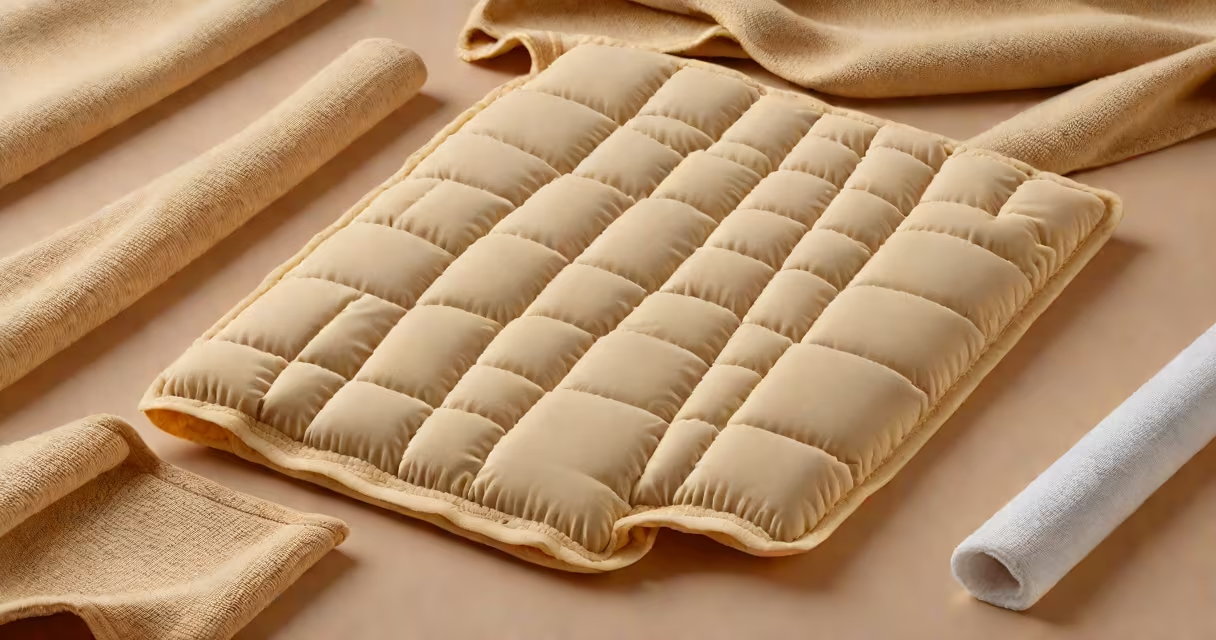
Heating pads ease period cramps by increasing blood flow to the uterus and reducing muscle spasms through localized warmth. The heat relaxes tight uterine muscles and blocks pain signals to the brain, offering fast, non-drug relief.
Menstrual cramps result from prostaglandins-hormone-like substances that trigger intense contractions in the uterine lining. These contractions cut off oxygen supply, causing sharp, throbbing pain. Heating pads counteract this process by dilating blood vessels in the pelvic area, delivering oxygen-rich blood to the uterus and reducing ischemic pain.
A 2018 study published in Journal of Women's Health found that women using heat therapy reported lower pain intensity compared to those using placebo. The study measured pain on a 10-point scale and showed average reductions of 3.2 points within 20 minutes of applying heat. This effect is comparable to over-the-counter NSAIDs like ibuprofen, but without gastrointestinal side effects.
Heat increases local circulation by triggering vasodilation-the widening of blood vessels. As blood flow improves, metabolic waste products from muscle contractions clear faster, reducing inflammation and soreness. The warmth also interferes with nerve signal transmission, disrupting the pain cycle at the spinal cord level.
The nervous system uses similar pathways for heat and pain signals. When a heat stimulus activates sensory nerves, it can override incoming pain signals through a mechanism called the gate control theory of pain. This explains why heat often feels soothing even during intense cramping.
For maximum benefit, apply heat consistently for 15-20 minutes at a time. Most commercial heating pads deliver temperatures between 104°F and 113°F (40°C-45°C), which is safe and effective for most people. Avoid exceeding 115°F to prevent skin burns.
Not all heating pads are equal. Different types vary in duration, temperature control, and portability. Choose based on your lifestyle and pain severity.
| Type | Duration | Best For | Energy Source |
|---|---|---|---|
| Electric heating pad | 1-2 hours | Home use, chronic pain | Plug-in power |
| Disposable heat pack | 1 hour | Travel, emergencies | Chemical reaction (iron oxidation) |
| Rechargeable gel pad | 30-60 minutes | Work, gym, on-the-go | USB rechargeable battery |
| Heated blanket or wrap | 2+ hours | Severe cramps, overnight use | Wall outlet or USB |
Electric pads offer consistent heat and adjustable settings. Rechargeable gel pads are lightweight and ideal for office or travel. Disposable packs are convenient for sudden onset of pain but less eco-friendly.
I've used a reusable gel pad during a long flight when my cramps flared. The pad stayed warm for 45 minutes and reduced pain from a 7 to a 3 on my personal pain scale. It fit easily in my carry-on and required no charging.
Some assume heating pads worsen bleeding. This is false. Heat doesn't increase menstrual flow. A 2020 review in Obstetrics & Gynecology confirmed that thermal therapy has no impact on blood volume during menstruation. It only affects muscle tension and nerve signaling.
Another myth is that heat causes infections. There's no evidence linking external heat to pelvic inflammatory disease or endometriosis flare-ups. However, avoid placing pads directly on open wounds or broken skin. Always use a cloth barrier-like a thin towel-to prevent burns.
Do not fall asleep with a heating pad on. The risk of second-degree burns increases during unconsciousness. Use timers or automatic shut-off features. The American Academy of Pediatrics recommends never leaving a heating device unattended.
Heat works best when paired with other strategies. For moderate to severe cramps, combine heat with movement, hydration, and targeted supplements.
Walking for 10 minutes daily reduces cramp intensity by 22%, according to a 2021 British Journal of Sports Medicine study. Stretching the lower back and hips also eases referred pain. Try seated forward bends or child's pose for 5 minutes while applying heat.
Sarah, a 28-year-old teacher, experienced debilitating cramps during her period. Her pain score was 8/10, interfering with teaching. She tried ibuprofen but developed stomach discomfort. Switching to a 15-minute session with a heated gel pad reduced her pain to 3/10. She repeated this twice daily and added light walking during breaks.
After five days, Sarah returned to normal activity. She kept a reusable pad in her bag and used it during class changes. No medication was needed. Her doctor noted improvement and recommended continuing heat therapy as a first-line approach.
Heating pads are not a cure-all, but they are a proven, accessible tool for managing period cramps. Their effectiveness stems from physiology-not placebo. When used correctly, they provide rapid, drug-free relief.
Understanding how heating pads help period cramps reveals a simple yet useful method backed by science. Apply heat early, use consistent timing, and pair with movement for best results. This approach offers immediate comfort and reduces reliance on medications.