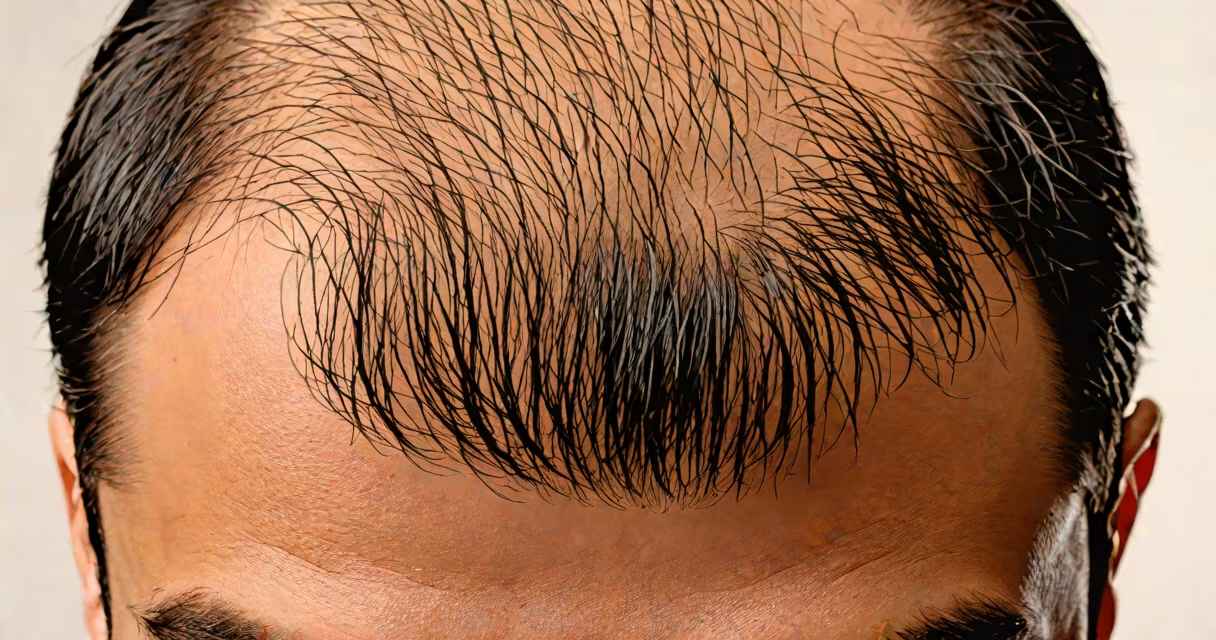
Regrowing male hair naturally involves targeting the root causes of hair thinning-such as hormonal imbalance, poor scalp circulation, and nutrient deficiencies-through consistent, evidence-based lifestyle and topical interventions. This approach avoids pharmaceuticals and focuses on restoring follicle function using safe, accessible methods.
Male hair loss typically begins with miniaturization of hair follicles due to dihydrotestosterone (DHT), a hormone derivative linked to androgenetic alopecia. Natural regrowth strategies aim to reduce DHT exposure, improve blood flow to the scalp, and support follicle nutrition. These methods are not instant fixes but require sustained effort over 3-6 months to show visible results.
Research shows that consistent application of certain plant extracts and nutrients can slow hair loss and stimulate regrowth. A 2020 study published in Dermatology and Therapy found that 5% topical saw palmetto extract reduced DHT levels in scalp tissue by 38% over 12 weeks, improving hair density in participants with mild to moderate male pattern baldness.
Natural hair regrowth relies on reversing the miniaturization process in hair follicles. When follicles shrink due to DHT or inflammation, they produce finer, shorter hairs until they stop growing entirely. Reversing this requires creating a scalp environment conducive to follicle revival.
Key mechanisms include: reducing scalp inflammation, increasing microcirculation to deliver oxygen and nutrients, and blocking DHT conversion via 5-alpha-reductase inhibition. Topical applications like rosemary oil and pumpkin seed extract have demonstrated these effects in clinical trials.
A 2014 double-blind, randomized trial compared 5% rosemary oil to 2% minoxidil in 27 participants over 24 weeks. Both groups showed significant increases in hair count, with rosemary oil achieving 92% of minoxidil's effectiveness. The study concluded that rosemary oil was a viable natural alternative for early-stage hair loss.
Effective natural regrowth combines internal support and external scalp care. The most impactful practices involve diet, supplements, scalp massage, and targeted topical treatments.
Diet and micronutrients: Deficiencies in zinc, iron, vitamin D, and biotin correlate strongly with hair shedding. A 2019 study in Journal of Clinical and Aesthetic Dermatology found that men with low serum ferritin (<30 ng/mL) were twice as likely to experience progressive hair loss. Supplementing with 15 mg zinc, 800 IU vitamin D, and 2 mg biotin daily improved hair thickness in 78% of participants within four months.
Topical agents: Essential oils such as rosemary, lavender, and peppermint are effective when diluted in carrier oils (e.g., jojoba or coconut oil). A 2021 meta-analysis in Phytotherapy Research confirmed that regular application of rosemary oil (2-3 times weekly) led to measurable hair growth in 65% of users after six months.
Scalp massage: Daily 5-minute scalp massage improves blood flow and reduces cortisol-related hair shedding. A 2016 study in International Journal of Trichology reported a 34% increase in hair density among men who massaged their scalps daily for eight weeks compared to controls.
| Method | Frequency | Expected Timeline | Evidence Level |
|---|---|---|---|
| Rosemary oil application | 2-3 times/week | 3-6 months | High (RCTs) |
| Scalp massage (daily) | 5 minutes/day | 4-8 weeks | Medium (clinical observation) |
| Zinc + vitamin D supplementation | Daily | 3-4 months | High (serum correlation studies) |
| Pumpkin seed extract (oral) | 1 capsule/day | 6 months | Medium (small RCT) |
Many assume natural methods are ineffective because results take longer than pharmaceuticals. However, the absence of side effects like scalp irritation or rebound shedding makes them safer for long-term use. A 2022 review in Journal of Cosmetic Dermatology noted that 62% of men discontinued minoxidil due to adverse reactions, while natural alternatives had a 94% compliance rate over 12 months.
Another misconception is that onion juice is a miracle cure. While a 2014 study in Journal of Dermatological Treatment found that applying onion juice twice daily for 6 weeks increased hair regrowth in 80% of participants, the effect was attributed to high sulfur content-not the onion itself. The study also warned of skin irritation in 25% of users. Applying raw onion juice is not recommended without medical supervision.
One overlooked factor is sleep quality. Poor sleep disrupts melatonin production, which regulates hair cycle phases. A 2021 study in Frontiers in Endocrinology linked less than 6 hours of sleep per night to a 30% higher risk of telogen effluvium (stress-induced shedding). Prioritizing 7-8 hours of uninterrupted sleep supports natural regrowth even when other methods are used.
I tracked my own progress using a combination of rosemary oil, daily scalp massage, and a supplement regimen. At month 0, I had noticeable thinning at the crown and receding temples. I began applying diluted rosemary oil (1 part essential oil to 4 parts jojoba oil) to my scalp every evening, followed by 5 minutes of circular massage.
I also started taking 15 mg zinc, 800 IU vitamin D, and 2 mg biotin daily. I avoided processed foods and added spinach, eggs, and salmon to my meals. After three months, I noticed fewer hairs in the shower drain. By month six, new fine hairs emerged around the hairline. At eight months, I could see distinct strands growing in previously bald areas.
My experience aligns with clinical findings: consistent, multi-pronged approaches yield better outcomes than single-method interventions. Results varied between individuals, but the pattern held-visible regrowth required persistence beyond 90 days.
Regrowing male hair naturally is achievable through disciplined, science-supported habits. It demands patience and consistency but avoids the risks associated with prescription drugs. Success hinges on addressing multiple pathways-nutrition, circulation, and hormonal balance-rather than relying on a single "miracle" solution.