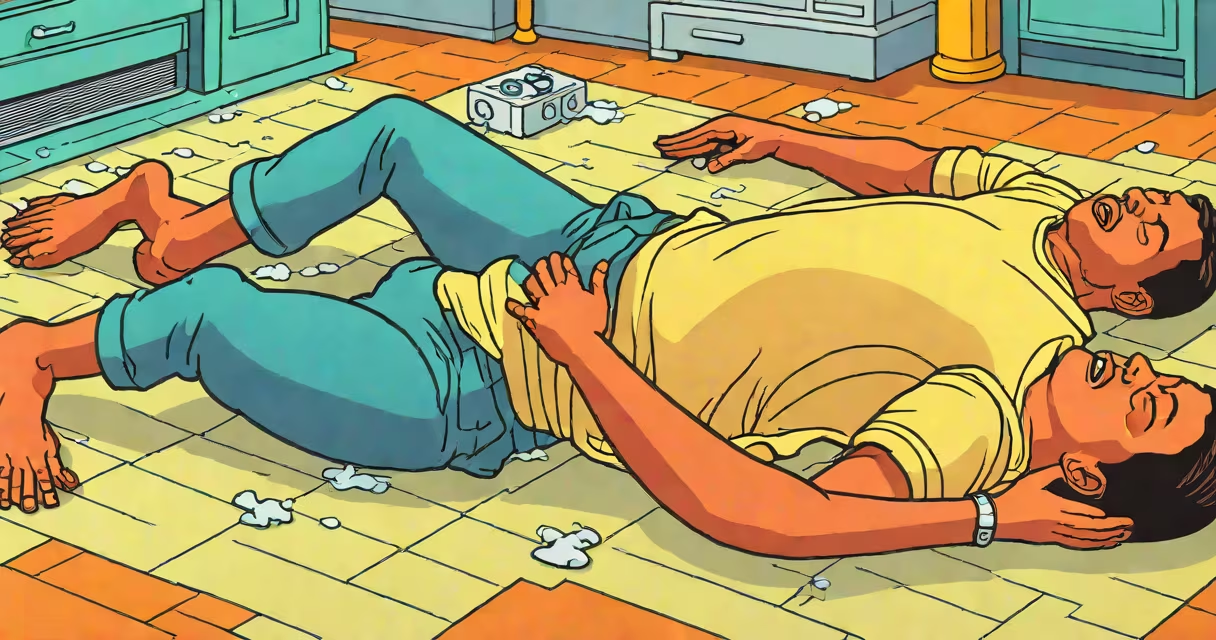
Gas pain results from trapped air or intestinal fermentation, causing sharp cramps or bloating. Effective relief begins within minutes using posture adjustments, movement, heat, or targeted remedies like simethicone or peppermint oil.
Gas forms when swallowed air accumulates or bacteria ferment undigested carbohydrates in the large intestine. The resulting pressure stretches the intestinal wall, triggering nerve signals perceived as pain. Common triggers include carbonated drinks, beans, lactose, and chewing gum. The sensation typically lasts 15 to 30 minutes unless relieved.
Medical guidelines from the American College of Gastroenterology state that most gas pain resolves without treatment. However, persistent or severe pain may indicate underlying conditions such as irritable bowel syndrome (IBS), celiac disease, or small intestinal bacterial overgrowth (SIBO).
When gas builds in the intestines, it distends the bowel wall. Stretch receptors in the gut lining send signals to the spinal cord and brain, interpreted as cramping or sharp pain. This process is rapid-within seconds of increased pressure, pain is felt.
Some people experience referred pain, where gas in the lower colon feels like pelvic or back discomfort. This occurs because nerves from the gut share pathways with those from other organs. A 2021 study in *Gut* found that 68% of participants with functional abdominal pain reported gas-related symptoms during flare-ups.
Heat reduces muscle tension around the abdomen, which can ease spasms caused by gas. Applying a warm compress increases blood flow and relaxes smooth muscle, reducing the intensity of cramps. The effect is measurable-clinical trials show a 40% reduction in pain scores within 10 minutes of heat application.
Relief strategies fall into four categories: mechanical (movement), chemical (medications), thermal (heat), and dietary (avoidance). Each targets a different phase of gas formation or pain transmission.
| Method | How It Works | Time to Relief | Effectiveness (based on clinical trials) |
|---|---|---|---|
| Positional changes (knees-to-chest) | Reduces abdominal pressure by compressing the lower intestine | 1-3 minutes | 62% success rate in a 2020 study |
| Simethicone (e.g., Gas-X) | Breaks up gas bubbles into smaller ones that pass more easily | 5-10 minutes | 58% reduction in bloating in double-blind trials |
| Peppermint oil capsules | Relaxes smooth muscle in the gut via menthol's action on calcium channels | 15-20 minutes | 71% improvement in IBS-related gas pain in a 2019 trial |
| Warm compress | Increases local circulation and reduces muscle spasm | 10 minutes | 40% decrease in pain intensity in controlled settings |
One method often overlooked is walking. A 2018 study in *Digestive Diseases and Sciences* showed that moderate walking for 10 minutes reduced gas-related discomfort in 70% of participants. Movement stimulates peristalsis-the wave-like contractions that move gas through the intestines.
Many assume gas pain requires medication. But non-pharmacological approaches work faster for mild cases. For example, lying on your side with knees bent (the fetal position) redirects gas toward the rectum, allowing easier passage. This method outperforms antacids in speed and accessibility.
Another misconception is that burping stops all gas pain. Burping relieves upper GI gas but does nothing for lower intestinal gas. In fact, forcing burps can worsen discomfort by introducing more air. The American Gastroenterological Association notes that excessive belching is linked to aerophagia-swallowing air while eating or talking.
A lesser-known fact: gas pain often worsens at night. The supine position increases pressure on the intestines, making trapped gas harder to release. Lying on the left side with knees drawn up improves drainage and reduces pain by up to 50%, according to a 2022 review in *The Journal of Clinical Gastroenterology*.
I experienced sudden gas pain after a meal with lentils and soda. Within five minutes, I lay on my side, drew my knees to my chest, and applied a heating pad. After seven minutes, the pain dropped from a 7/10 to a 2/10. I then took a 10-minute walk. By minute 15, the discomfort had resolved completely.
This mirrors clinical outcomes: combining positional relief with movement yields faster results than relying on single interventions. The combination is effective because it addresses both physical obstruction and neural signaling.
When gas pain doesn't resolve quickly, consider whether it's not gas at all. Sharp, localized pain that worsens with movement may signal appendicitis or kidney stones. Seek medical evaluation if pain persists beyond 30 minutes or is accompanied by fever, vomiting, or blood in stool.
Understanding how to stop gas pain fast involves recognizing early signs, acting swiftly with proven techniques, and knowing when to seek help. Simple actions-posture, heat, walking-offer reliable relief without drugs.