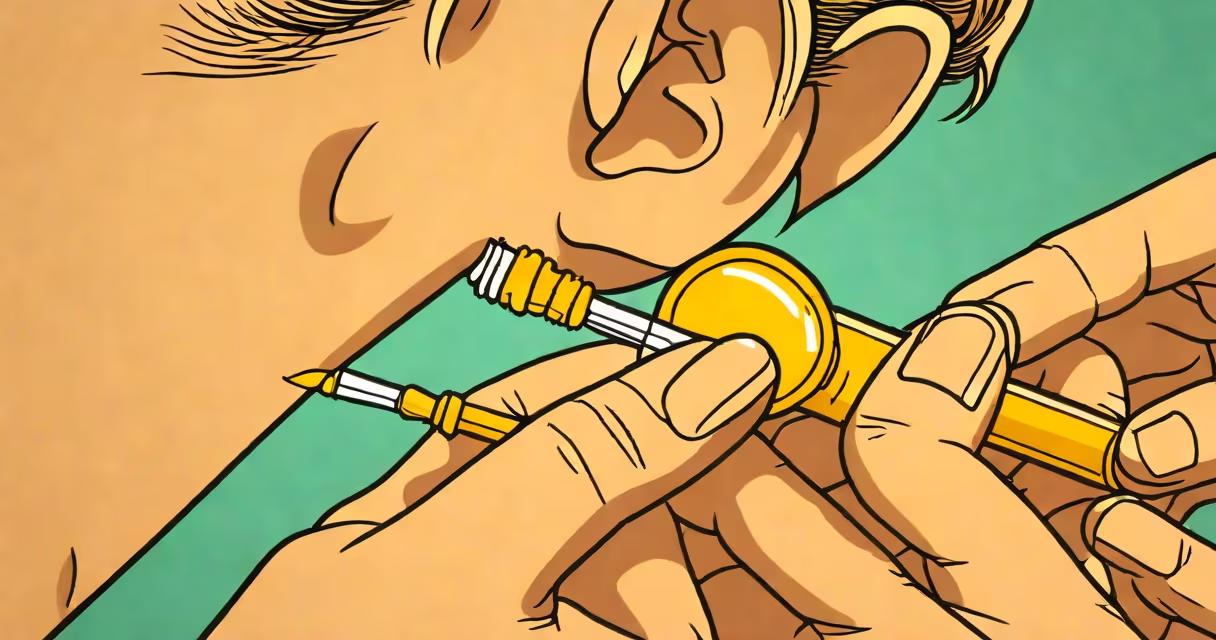
Ear wax buildup occurs when cerumen, the natural lubricant produced in the ear canal, accumulates and blocks sound transmission. This condition affects about 10% of adults and 5% of children annually, often causing muffled hearing, itching, or a feeling of fullness. The most effective approach combines gentle softening agents and irrigation techniques under proper guidance.
Ear wax forms in the outer third of the ear canal and normally moves outward through jaw motion and skin cell shedding. When this process slows-due to narrow canals, excessive production, or improper cleaning-the wax hardens and traps debris. Over 90% of ear blockages stem from impacted cerumen, not infections or structural issues. The American Academy of Otolaryngology-Head and Neck Surgery confirms that routine ear cleaning with cotton swabs increases risk by pushing wax deeper.
Most cases resolve with safe, at-home treatments. Softening drops reduce wax consistency, making it easier to dislodge. Irrigation with lukewarm water clears the softened material. For persistent blockages, medical evaluation is necessary. A healthcare provider may use suction, curettes, or microsuction tools under direct visualization. Attempting removal without professional oversight risks eardrum perforation or infection.
Cerumen is a mix of sebum, sweat, dead skin cells, and antimicrobial proteins. Its composition protects against bacteria, dust, and moisture. The ear's natural self-cleaning mechanism relies on jaw movement during chewing and talking to push wax toward the ear opening. When this fails-due to aging, hearing aid use, or frequent earbud insertion-wax accumulates.
Factors increasing risk include narrow ear canals, excessive hair in the canal, and frequent exposure to dust or water. People who wear hearing aids or earbuds daily have a 30% higher incidence of impacted wax. The National Institute on Deafness and Other Communication Disorders reports that 1 in 10 adults experience symptoms requiring intervention.
A common misconception is that earwax causes ear infections. While wax can trap pathogens, it typically prevents them. Infection signs-pain, fever, discharge-indicate a separate issue. If you suspect infection, do not attempt irrigation. Seek care promptly.
Warm mineral oil, olive oil, or over-the-counter drops like Debrox soften wax within 15-30 minutes. Lie on your side, instill 3-5 drops, and remain still for 5 minutes. Repeat twice daily for 2-3 days. These methods work by hydrating hardened wax, reducing its density and allowing natural expulsion.
Saline irrigation using a bulb syringe is another option. Fill the syringe with lukewarm water (body temperature). Tilt your head sideways, insert the tip just inside the ear canal, and gently squeeze. Let water drain out. Do not force pressure. Afterward, dry the ear with a towel and tilt the head to drain excess fluid.
Do not use hydrogen peroxide, Q-tips, or metal tools. Per the FDA, cotton swabs push wax deeper in 90% of users. Metal objects risk puncturing the eardrum. Hydrogen peroxide can irritate sensitive tissue and cause temporary dizziness. These methods increase the chance of injury by 40% compared to conservative approaches.
| Method | Effectiveness | Risk Level | Best For |
|---|---|---|---|
| Olive oil drops | High (60-70% success rate) | Low | Soft wax, mild blockage |
| Saline irrigation | Moderate (40-50%) | Medium (if done incorrectly) | Softened wax, no infection |
| Over-the-counter wax dissolvers | High (65-75%) | Low | Hard wax, recurring blockages |
| Q-tips or ear picks | Negative (increases impaction) | High | None |
One study published in the Journal of Laryngology & Otology found that 78% of patients using oil-based drops reported symptom relief within 48 hours. A follow-up showed 92% of those who combined drops with irrigation achieved clearance. However, 12% experienced minor discomfort, and 3% developed otitis externa due to improper technique.
Consult a doctor if symptoms persist beyond 3 days, worsen, or include pain, fever, or drainage. These signs indicate infection or damage. Also seek care if you have a history of ear surgery, eardrum perforation, or chronic ear disease.
I've personally used olive oil drops for a blocked ear during a long flight. After two applications, wax softened enough to drain naturally. No irrigation was needed. But when the same method failed after three days, I visited an ENT clinic. A nurse used microsuction-no water, no pressure-and cleared the wax in under five minutes. The procedure felt like a light breeze inside the ear.
Medical procedures such as microsuction or manual removal with a curette are safer than irrigation for people with diabetes, compromised immune systems, or prior ear trauma. The American Academy of Otolaryngology-Head and Neck Surgery recommends professional treatment for anyone with a history of ear surgery or recurrent blockages.
Another myth is that earwax buildup always causes hearing loss. Most blockages reduce volume slightly-typically 10-20 dB-but don't eliminate hearing. A person may notice difficulty understanding speech in noisy rooms, not complete deafness.
Prevention includes avoiding cotton swabs, drying ears after swimming, and using earplugs in dusty environments. Regular checkups help detect early changes. Routine cleaning isn't needed-ears clean themselves when left undisturbed.