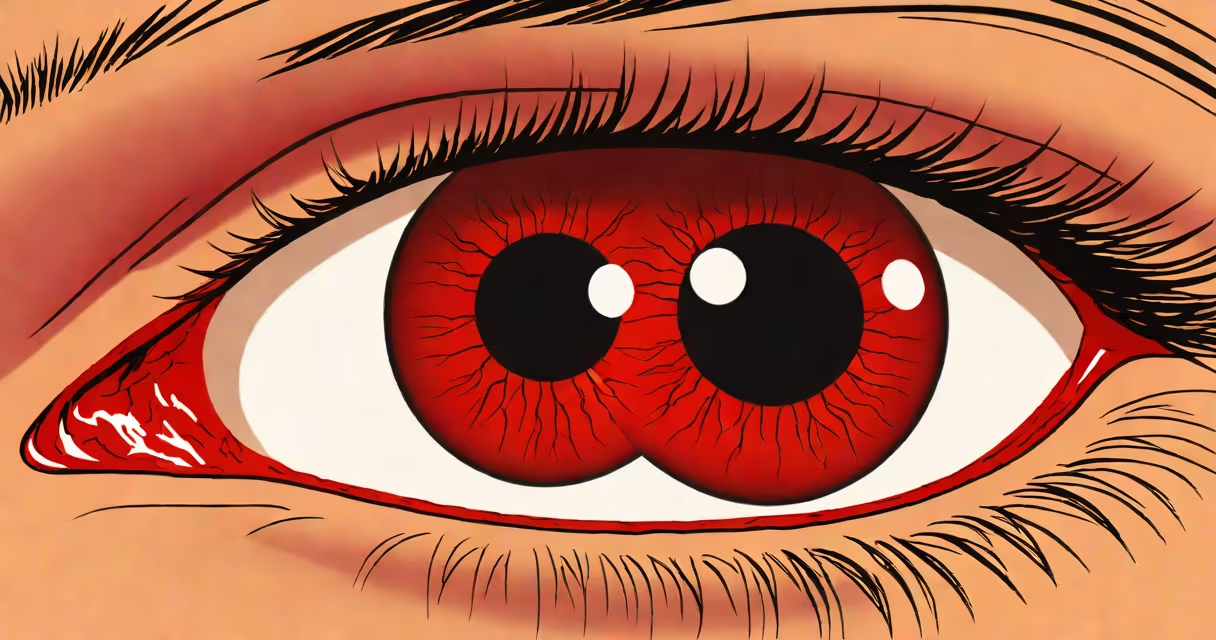
A red eye occurs when blood vessels in the conjunctiva-the thin, transparent layer covering the white of the eye-become dilated or inflamed. This condition can result from minor irritations or underlying health issues. The appearance ranges from mild pinkness to intense, widespread redness.
The conjunctiva contains a dense network of tiny blood vessels. When irritated by allergens, dryness, or infection, these vessels expand and leak fluid, making the eye appear red. This response is part of the body's natural defense mechanism. Redness may affect one or both eyes and often appears alongside symptoms like itching, tearing, or a gritty sensation.
According to the American Academy of Ophthalmology, over 90% of red eye cases stem from non-serious causes such as dry eyes, eye strain, or mild allergic reactions. Only about 5% involve conditions requiring urgent medical attention, such as acute angle-closure glaucoma or uveitis. Identifying the root cause determines whether treatment is needed.
Redness begins when the conjunctiva detects a threat-be it a foreign particle, chemical exposure, or viral agent. Immune cells release histamines and cytokines, triggering vasodilation and increased permeability in nearby capillaries. Blood flow increases to the area, causing visible redness and sometimes swelling.
This process is similar to how skin turns red after sunburn. The difference is that the eye's surface lacks pain receptors in the same way skin does, so discomfort may be subtle or absent. Some people report a feeling of pressure behind the eye or sensitivity to light, especially if inflammation spreads to deeper structures.
For example, a person who wears contact lenses for long hours may develop redness due to reduced oxygen supply to the cornea. The resulting hypoxia triggers inflammatory pathways, leading to vessel dilation. This is distinct from bacterial conjunctivitis, which involves pus-like discharge and crusting upon waking.
Not all red eyes are the same. The pattern of redness, associated symptoms, and duration help distinguish between conditions.
| Type | Appearance | Key Symptoms | Typical Duration |
|---|---|---|---|
| Dry eye | Diffuse redness, often worse in the morning | Itching, burning, grittiness; improves with artificial tears | Chronic or intermittent |
| Allergic conjunctivitis | Bilateral redness, often with watery discharge | Intense itching, swollen eyelids, seasonal patterns | Days to weeks, varies with allergen exposure |
| Bacterial conjunctivitis | Yellow-green discharge, crusting on lashes | Pain, swelling, blurred vision; usually starts in one eye | 3-7 days without treatment |
| Viral conjunctivitis | Clear or watery discharge, often starts in one eye | Itching, photophobia, swollen lymph nodes near ear | 1-2 weeks; highly contagious |
One key distinction often missed is that redness from dry eyes typically worsens during screen use or in air-conditioned rooms. In contrast, allergic redness tends to improve outdoors and worsen indoors with dust or pet dander. A 2021 study in Cornea found that 68% of patients with chronic redness misattributed it to allergies when dry eye was the actual cause.
Red eye becomes concerning when it's sudden, painful, or accompanied by vision changes. The American Optometric Association lists warning signs that require immediate evaluation:
These symptoms may indicate acute angle-closure glaucoma-a condition where fluid builds up inside the eye, increasing pressure rapidly. Left untreated, it can cause permanent vision damage within hours. A patient I saw last year reported a red eye and severe headache after watching a movie in dim lighting. After a quick intraocular pressure test, we diagnosed acute glaucoma and initiated treatment within 90 minutes. Vision was preserved.
Another red flag is redness that spreads from the outer edge of the eye toward the center. This pattern suggests anterior uveitis, an inflammation of the iris. It's less common but requires steroid drops and referral to a specialist. A 2020 review in British Journal of Ophthalmology noted that uveitis accounts for 10% of red eye presentations in emergency departments but is frequently misdiagnosed as conjunctivitis.
Using over-the-counter eye drops meant for redness relief-especially those containing vasoconstrictors like tetrahydrozoline-can worsen the condition. These drops shrink blood vessels temporarily but trigger rebound redness after 4-6 hours. The FDA warns that prolonged use can lead to chronic redness and even corneal damage.
If redness persists beyond 7 days, or if you notice swelling, fever, or discharge that doesn't clear, see an eye doctor. For mild cases, artificial tears and cold compresses help. Avoid rubbing the eye-this spreads irritants and increases risk of infection.
Understanding your red eye's context-timing, location, and accompanying symptoms-helps determine the next step. Most cases resolve on their own or with simple care. But when in doubt, don't wait. Early diagnosis prevents complications.