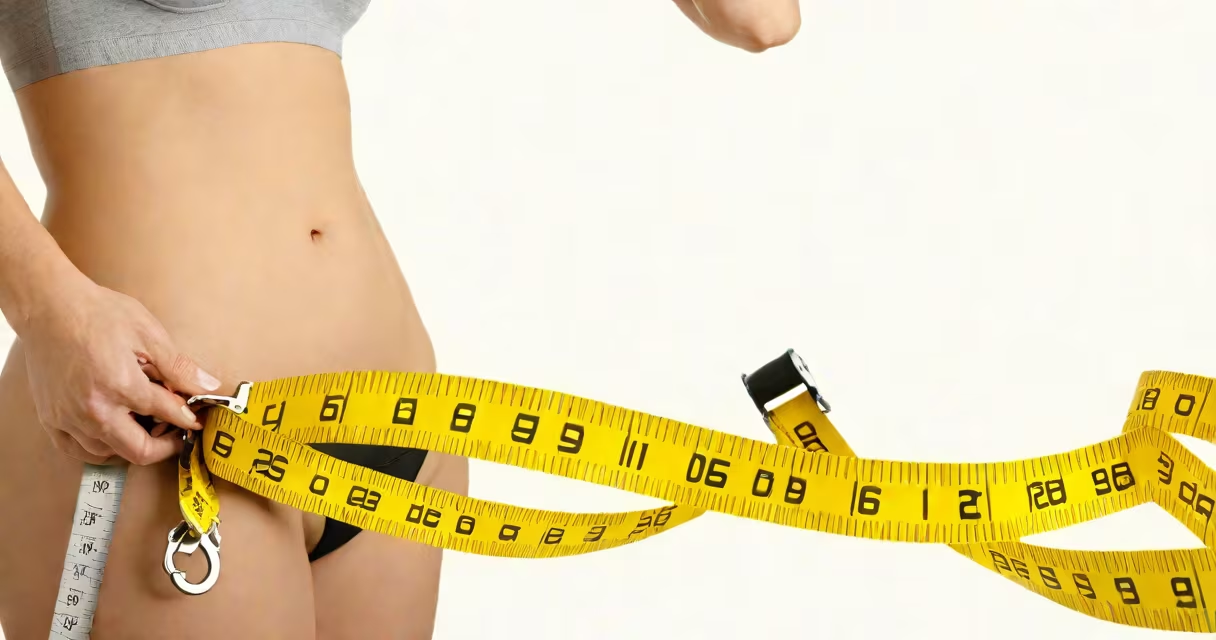
Ideal body weight according to height is a range of weights considered healthy for a specific stature, based on clinical standards like the Devine formula and BMI guidelines. It's not a single number but a zone tied to reduced risk of chronic disease.
Health professionals use ideal body weight to assess nutritional status, plan treatment, and set targets for weight management. The most widely accepted method combines height with gender-specific formulas derived from population data. These models aim to balance metabolic efficiency, physical function, and long-term health outcomes.
The concept originated in the 1970s with Dr. Donald Devine's equation, which remains in use today for medication dosing and initial screening. Modern tools like BMI charts refine this further by incorporating body mass index thresholds. For example, a man who is 5'10" (177.8 cm) has an ideal weight range of 154-186 pounds (70-84 kg), depending on frame size and muscle mass.
Two primary methods determine ideal body weight: the Devine formula and BMI-based ranges. Both use height as the core input, but they differ in purpose and precision.
The Devine formula, published in 1974, calculates ideal weight as follows:
A 5'6" (167.6 cm) woman weighs 5'6" = 66 inches. Subtract 60 inches (5 feet) = 6 inches above. Multiply 6 × 2.3 = 13.8 kg. Add to 45.5 kg = 59.3 kg (about 131 lbs).
BMI-based estimates use height and weight to compute body mass index. A BMI between 18.5 and 24.9 is considered normal. For a 5'10" (177.8 cm) man, this corresponds to a weight range of 132-174 pounds (59.9-78.9 kg). This range accounts for body composition variation and is recommended by the World Health Organization.
Medical institutions often adjust ideal weight for frame size. Small-frame individuals may fall below the median, while large-frame people may exceed it without health risk. A wrist circumference measurement helps determine frame size: less than 5.5 inches (14 cm) is small, 5.5-6.0 inches (14-15.2 cm) medium, and over 6.0 inches (15.2 cm) large.
Different models serve different purposes. Clinical settings favor the Devine formula for drug dosing and initial assessments. Public health uses BMI-based ranges for population-level guidance.
| System | Use Case | Formula/Range | Source |
|---|---|---|---|
| Devine Formula | Medication dosing, initial screening | Men: 50 kg + 2.3 kg/inch over 5 ft Women: 45.5 kg + 2.3 kg/inch over 5 ft |
Devine, 1974 |
| BMI-Based Range | Public health, risk assessment | 18.5-24.9 BMI Weight = BMI × (height in meters)² |
WHO, 2023 |
| Hamwi Formula | Quick estimate, military use | Men: 106 lb for 5'0", +6 lb per inch Women: 100 lb for 5'0", +5 lb per inch |
Hamwi, 1964 |
Each system has limitations. Devine assumes average body composition. BMI doesn't distinguish fat from muscle. A 6'0" (183 cm) athlete weighing 200 lbs (90.7 kg) has a BMI of 26.3 - classified as overweight - yet has low body fat and high strength. Relying solely on BMI can misclassify fit individuals.
Doctors use ideal body weight to set targets for weight loss programs, especially in patients with obesity-related conditions like type 2 diabetes or hypertension. A patient who is 5'4" (162.6 cm) and weighs 220 lbs (99.8 kg) has a BMI of 37.5 - class 2 obesity. Losing 30-40 lbs (13.6-18.1 kg) to reach the ideal range improves insulin sensitivity and reduces cardiovascular strain.
Nutritionists apply ideal weight ranges to design meal plans. A 5'2" (157.5 cm) woman aiming to lose 25 lbs (11.3 kg) might target 120-140 lbs (54.4-63.5 kg) based on her frame size. This range supports sustainable energy levels and nutrient intake without extreme restriction.
Personal trainers use ideal weight as a benchmark for progress. A client who gains 10 lbs of muscle while maintaining the same weight may improve body composition even if the number stays constant. Tracking lean mass and waist circumference gives better insight than weight alone.
Many confuse ideal body weight with "perfect" or "aesthetic" weight. Ideal weight is not about appearance. It's about physiological resilience. A person can be within the ideal range and still have poor health markers due to diet quality or sedentary behavior.
Another error is treating ideal weight as a rigid number. The range allows for individual variation. A 5'7" (170.2 cm) man with a large frame may safely weigh 190 lbs (86.2 kg) with low visceral fat. His BMI is 26.1 - just above normal - but his blood pressure and cholesterol are optimal.
One underappreciated fact: ideal weight changes with age. As metabolism slows after age 30, maintaining weight becomes harder. The ideal range shifts slightly upward for older adults to preserve muscle mass and prevent frailty. A 65-year-old man who is 5'9" (175.3 cm) may benefit from a target weight 5-10 lbs higher than his younger adult range.
During a clinic visit, I observed a 5'1" (154.9 cm) woman whose BMI was 22.1 - within normal range. Her ideal weight per Devine formula was 107 lbs (48.5 kg). She weighed 112 lbs (50.8 kg). The difference seemed minor, but she reported fatigue and low energy. Blood tests revealed iron deficiency. Her weight was within the ideal range, but her health wasn't optimal. This shows that ideal body weight is a starting point, not a complete picture.
Ideal body weight according to height is a practical tool grounded in decades of medical research. It provides a baseline for health planning, but it must be interpreted alongside lifestyle, body composition, and clinical markers. Use it as a reference, not a rule.