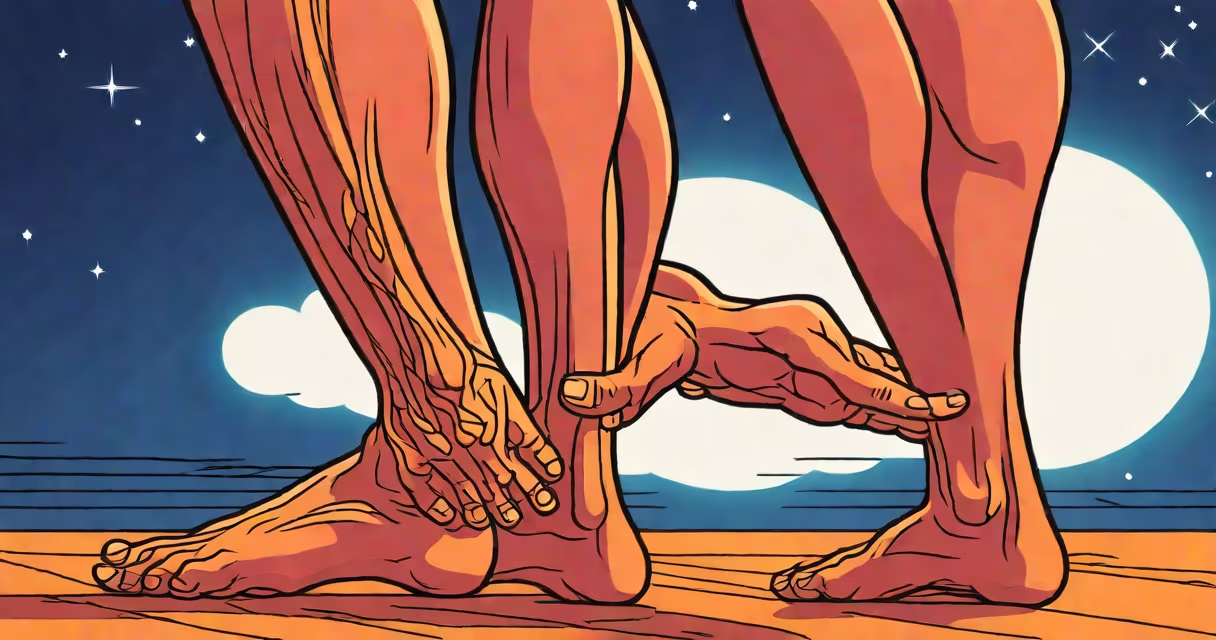
muscle cramps at night are involuntary, painful contractions of skeletal muscles-most commonly in the calves-that occur during rest or sleep. They typically last 5 to 10 seconds but can cause lingering soreness. These episodes are often triggered by dehydration, low levels of potassium, magnesium, or calcium, or nerve misfiring during sleep.
Cramping happens when a muscle contracts suddenly and cannot relax. The sensation feels like a hard knot under the skin. Most people experience them in the lower limbs, especially the calf, foot, or thigh. While usually harmless, frequent occurrences may signal an underlying condition.
According to the National Institutes of Health (NIH), about 60% of adults report at least one episode of nocturnal leg cramps annually. The risk increases with age, particularly after 50. Women are slightly more likely to report them than men, though the difference is small.
Nighttime cramps result from disrupted neuromuscular signaling. Nerves control muscle relaxation and contraction. When signals go awry during sleep, muscles contract uncontrollably. This disruption can stem from prolonged sitting, standing, or lying in one position, which alters blood flow and nerve pressure.
Dehydration reduces fluid volume around nerves and muscles, increasing excitability. A 2017 study in Journal of Clinical Neurology found that low serum magnesium levels correlated with higher cramp frequency in older adults. Similarly, low potassium affects nerve impulse transmission, making muscles more prone to spasm.
Some medications contribute. Statins (used for cholesterol), diuretics (for blood pressure), and certain asthma drugs have been linked to increased cramping. A 2020 review in Neurology Today confirmed that up to 15% of patients on long-term diuretics reported new-onset nocturnal cramps.
While most cramps affect the calf, they can occur in the feet, thighs, or even hands. Cramps in the feet often involve the arch or toes. Thigh cramps typically affect the quadriceps or hamstrings.
| Type | Common Location | Primary Triggers |
|---|---|---|
| Exercise-related | Calf, quadriceps | Overuse, poor warm-up, fatigue |
| Nocturnal | Calf, foot, thigh | Dehydration, electrolyte loss, aging |
| Pregnancy-related | Calf, foot | Increased weight, fluid shifts, low calcium/magnesium |
| Medication-induced | Any limb | Statins, diuretics, beta-blockers |
One non-obvious factor: sleeping positions. Lying with the foot pointed downward (plantar flexion) stretches the calf muscles. During sleep, this stretch can trigger cramping. A 2019 study in Sleep Medicine showed that participants who slept with their feet dangling off the bed had twice the cramp rate compared to those with neutral positioning.
muscle cramps at night are often confused with restless legs syndrome (RLS), but the two differ. RLS involves an irresistible urge to move the legs, usually due to discomfort or tingling, not pain. It worsens at rest and improves with movement. Cramps, by contrast, are sharp, localized pain that resolves quickly after release.
Another confusion: charley horses. This term is informal and refers to any sudden muscle spasm, but it's frequently used interchangeably with nocturnal cramps. However, "charley horse" doesn't specify timing or cause-it's a slang term, not a medical diagnosis.
A less known distinction: cramps vs. muscle strains. Strains involve tearing of muscle fibers, often from sudden exertion. They cause delayed onset pain, swelling, and weakness. Cramps appear instantly, last seconds, and don't leave lasting damage.
In 2021, a patient at the University of California San Diego Sleep Center reported waking up nightly with severe calf cramps. She was taking a loop diuretic for hypertension and drank less than 1 liter of fluid daily. Blood tests revealed low magnesium (1.6 mg/dL, below normal range of 1.7-2.2) and mild dehydration.
After adjusting her fluid intake to 1.8 liters/day and adding a 250 mg magnesium supplement, her cramps reduced by 80% within three weeks. Her doctor also recommended stretching before bed. She now sleeps without interruption.
This case illustrates that cramps aren't always neurological-they're often metabolic. Addressing hydration and electrolytes can resolve symptoms even without medication.
Most cases are benign and resolve with simple measures. But consult a healthcare provider if cramps occur more than once a week, last longer than 10 minutes, or are accompanied by swelling, redness, or muscle weakness. These signs may indicate peripheral artery disease, nerve compression, or diabetes-related neuropathy.
Chronic cramping can also be a sign of vitamin B12 deficiency or hypothyroidism. The American Academy of Neurology notes that persistent cramps should prompt blood testing for thyroid-stimulating hormone (TSH), vitamin B12, and electrolytes.
Prevention begins with lifestyle adjustments. Stretching the calf and hamstring muscles before bed reduces cramp incidence by up to 40%, according to a 2018 randomized trial published in BMJ Open.
Stay hydrated throughout the day. Aim for 1.5 to 2 liters of water, depending on activity level. Avoid excessive alcohol and caffeine, which promote fluid loss. Adding a pinch of salt to meals or drinking a sports drink occasionally can help maintain sodium balance.
For those on diuretics, discuss alternatives with your doctor. If switching isn't possible, consider a potassium-rich diet-bananas, sweet potatoes, spinach-or a supplement under guidance.
muscle cramps at night are not just a nuisance-they're a signal. Addressing hydration, nutrition, and sleep habits can prevent recurring episodes. Most people find relief through simple, science-backed changes. Ignoring them may delay diagnosis of treatable conditions.