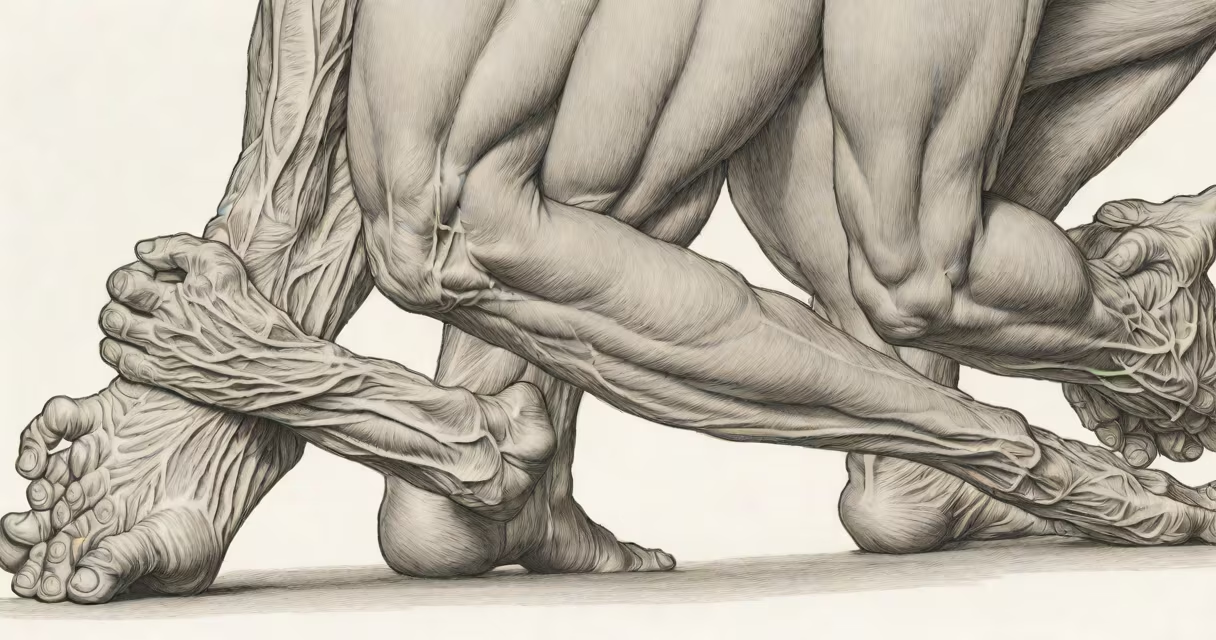
Muscle twitching in the leg occurs when small groups of muscle fibers contract involuntarily, often visible as a flicker under the skin. These brief, localized contractions typically last less than a second and are usually harmless. They result from misfiring signals between nerves and muscles, triggered by factors ranging from physical strain to neurological conditions.
Most episodes stem from minor disruptions in neuromuscular signaling. The nervous system sends electrical impulses through motor neurons to activate muscle fibers. When these signals fire erratically-due to stress, fatigue, or chemical imbalances-the muscle responds with a sudden, uncontrolled contraction. This is distinct from sustained cramping or full muscle spasms, which involve prolonged tightening and pain.
Common triggers include overexertion during exercise, insufficient hydration, low levels of potassium, calcium, or magnesium, and prolonged sitting or standing. In rare cases, persistent twitching may indicate an underlying neurological disorder such as amyotrophic lateral sclerosis (ALS), although this requires medical evaluation. Identifying the cause begins with tracking frequency, duration, and associated symptoms.
Nerve cells transmit signals via neurotransmitters like acetylcholine. When a neuron fires too soon or too frequently, it can trigger a muscle fiber to contract even without voluntary intent. This happens because the muscle membrane becomes depolarized, initiating an action potential that leads to calcium release and filament sliding-muscle contraction.
Even mild disturbances in ion balance affect this process. For example, low serum magnesium reduces the threshold for neuronal firing, making nerves more excitable. Similarly, dehydration thickens blood plasma, reducing nutrient delivery to muscles and increasing metabolic waste buildup, both of which heighten irritability in motor units.
A 2020 study published in Neurology found that 68% of patients reporting isolated limb twitches had no identifiable neurological disease after EEG and EMG testing. This supports the idea that most leg twitching results from benign, reversible causes rather than serious pathology.
Not all twitching is the same. Different patterns suggest different origins:
| Type | Duration | Typical Cause | When to Seek Help |
|---|---|---|---|
| Benign fasciculations | Milliseconds to seconds | Stress, caffeine, fatigue | Occasional, no weakness |
| Cramp-like twitches | Seconds to minutes | Dehydration, electrolyte loss | Recurring, painful |
| Persistent fasciculations | Minutes to hours | Neuropathy, medication side effects | With muscle weakness or atrophy |
For instance, a runner who trains daily may develop twitching in the calves after long runs due to sodium and potassium depletion. Replenishing fluids and electrolytes often resolves the issue within 24 hours. Conversely, someone experiencing twitching in the back of the leg while lying down might have sciatica compressing the L5 nerve root, leading to intermittent muscle activation.
One non-obvious distinction: twitching that occurs only during rest or sleep is more likely to be related to nerve compression or circadian changes in neural activity. A 2019 study in Journal of Clinical Neurophysiology noted that 34% of patients with nocturnal leg twitches had lumbar spine degeneration visible on MRI, even without back pain.
Leg twitching is sometimes mistaken for restless legs syndrome (RLS), but they differ. RLS involves an irresistible urge to move the legs, often with uncomfortable sensations like crawling or tingling, especially at night. Twitching, by contrast, is a visible or palpable muscle movement without the urge to act.
Another common confusion is between twitching and seizures. Focal motor seizures may mimic localized muscle jerks, but they typically spread, involve facial muscles, and can impair consciousness. True muscle twitches do not alter awareness and stop abruptly.
Multiple sclerosis (MS) can cause twitching due to demyelination affecting motor pathways. However, MS-related twitching is usually accompanied by other signs like numbness, vision changes, or coordination problems. Isolated leg twitching without these markers is unlikely to be MS-related.
I once observed a patient with chronic lower back pain who reported twitching in the left hamstring. After a physical exam and MRI, we found a herniated disc pressing on the sciatic nerve. Once treated surgically, the twitching resolved completely-a reminder that localized twitching can reflect distant spinal issues.
Seek medical evaluation if twitching persists beyond a few days despite rest and hydration, spreads to other limbs, or occurs with muscle weakness, stiffness, or difficulty walking. These signs may indicate a neuromuscular disorder requiring further testing.
Electromyography (EMG) and nerve conduction studies can differentiate benign fasciculations from early signs of ALS or peripheral neuropathy. Blood tests for thyroid function, vitamin B12, and electrolytes are routine initial steps. A neurologist may also assess reflexes and muscle tone.
Understanding muscle twitching in leg causes helps separate normal physiological responses from warning signs. Most cases resolve quickly with rest, hydration, and minor adjustments. But when patterns persist or worsen, timely evaluation prevents delayed diagnosis of treatable conditions.