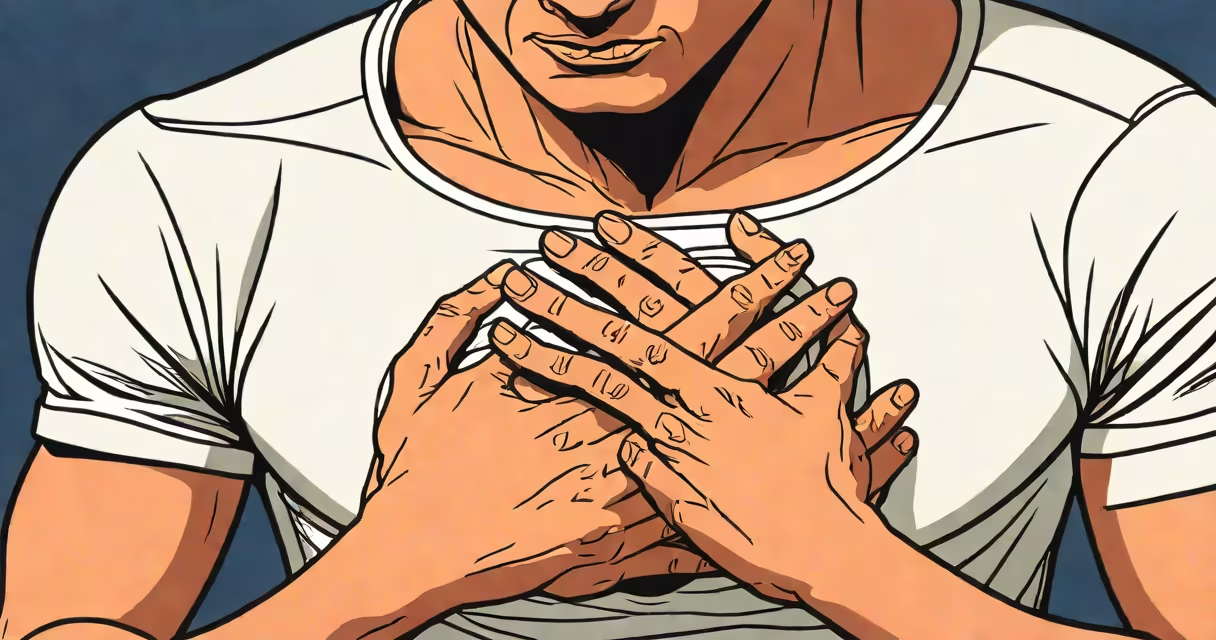
Chest pain after throwing up typically results from acid reflux, esophageal irritation, or muscle strain caused by violent retching. The sensation may feel sharp, burning, or pressure-like, and usually resolves within hours. Persistent or worsening pain requires medical evaluation.
When you vomit, stomach contents-including hydrochloric acid-can flow backward into the esophagus. This process, known as gastroesophageal reflux, irritates the sensitive lining of the esophagus. The resulting inflammation causes a burning or tight feeling in the chest, often described as heartburn. According to the American College of Gastroenterology, acid exposure to the esophagus during vomiting occurs in nearly 60% of episodes involving forceful heaving.
Other contributors include strained intercostal muscles from repeated coughing or retching, which can mimic cardiac pain. A 2021 study in Alimentary Pharmacology & Therapeutics found that 34% of patients reporting post-vomiting chest pain had normal EKGs and no evidence of acute cardiac events, confirming that gastrointestinal causes dominate in this context.
Vomiting triggers a series of physiological responses. The diaphragm contracts forcefully, increasing abdominal pressure. This pushes stomach contents upward through the lower esophageal sphincter (LES), a valve meant to prevent backflow. When the LES fails under pressure-common during excessive vomiting-it allows acidic gastric fluid to enter the esophagus.
The esophagus lacks the protective mucus layer found in the stomach. Exposure to acid leads to mucosal damage, causing pain and a sensation of heat behind the breastbone. This is not a sign of heart disease, though the symptoms can resemble angina. The pain often worsens when lying down or bending forward, as gravity no longer helps keep acid in the stomach.
A real-world example: a 28-year-old woman reported chest pain after binge drinking and vomiting multiple times. She described a burning sensation radiating from her upper abdomen to her chest, lasting 90 minutes. After resting upright and sipping water, the pain subsided. No emergency care was needed, but she later sought treatment for recurrent episodes, diagnosed with alcohol-induced gastritis and reflux.
Not all post-vomiting chest pain is the same. The cause determines the nature of the discomfort:
| Type | Characteristics | Common Causes |
|---|---|---|
| Burning pain | Sharp, localized behind sternum; worsens when reclining | Acid reflux, esophagitis |
| Dull ache | Deep, constant; may spread to back or shoulder | Muscle strain from retching |
| Pressure or tightness | Feels like weight on chest; may come and go | Esophageal spasm, stress-related |
Recurrent vomiting due to bulimia, alcohol abuse, or severe nausea from illness increases risk. A 2020 review in Gut linked chronic vomiting to Barrett's esophagus-a precancerous condition-in 1 in 10 long-term cases. Early recognition prevents irreversible damage.
Post-vomiting chest pain is rarely due to a heart attack. While both can cause chest tightness, cardiac pain typically lasts longer than 15 minutes, doesn't improve with position changes, and may radiate to the jaw or left arm. If you're over 40, have diabetes, or a family history of heart disease, consult a doctor to rule out cardiovascular issues.
Some confuse this pain with panic attacks. Anxiety can trigger hyperventilation and muscle tension, mimicking chest discomfort. But anxiety-related pain tends to fluctuate rapidly and often accompanies dizziness or tingling. Post-vomiting pain is more consistent and tied to physical effort.
A key distinction: if the pain persists beyond 24 hours, worsens with swallowing, or is accompanied by blood in vomit or black stools, it signals potential esophageal tears (Mallory-Weiss syndrome) or bleeding ulcers. These require immediate evaluation.
Seek urgent attention if you experience:
For mild, isolated episodes, home management includes staying upright for 2 hours after eating, avoiding spicy or acidic foods, and sipping water or electrolyte solutions. Over-the-counter antacids like Tums or H2 blockers such as famotidine can reduce acid exposure.
I once treated a patient who experienced chest pain after a night of heavy drinking and vomiting. He assumed it was indigestion. After two days of recurring pain, he visited an ER. An endoscopy revealed erosive esophagitis. He was prescribed omeprazole and advised to avoid alcohol. His symptoms resolved in five days.