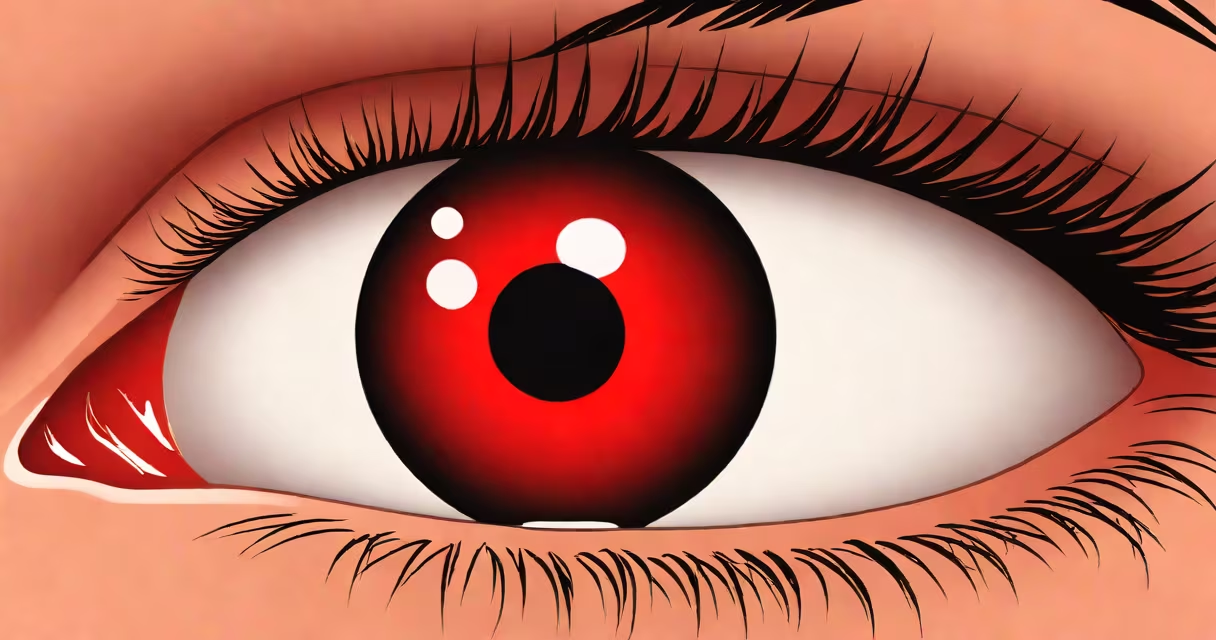
A single bloodshot eye is a condition where one eye shows prominent red or pink blood vessels on the white part (sclera), typically due to inflammation, irritation, or minor trauma. It usually resolves within hours to days without treatment.
This appearance results from dilated or broken capillaries in the conjunctiva-the thin membrane covering the eye's surface. While often harmless, it can signal underlying issues ranging from dryness to infection. The condition is distinct from bilateral redness, which may indicate systemic problems.
According to the American Academy of Ophthalmology, isolated redness in one eye is frequently caused by localized factors such as foreign bodies, contact lens overuse, or allergic reactions. It rarely indicates serious disease unless accompanied by pain, vision changes, or discharge.
The eye's surface contains a dense network of tiny blood vessels. When irritated, these vessels widen (vasodilation) or leak slightly, making the white of the eye appear reddened. This response is part of the body's natural defense mechanism to increase blood flow to affected areas.
In a single bloodshot eye, the reaction is confined to one side. This localization helps differentiate it from conditions affecting both eyes simultaneously, such as viral conjunctivitis or seasonal allergies. The absence of symptoms in the other eye supports a localized cause.
For example, someone who rubs their eye while applying makeup may develop a single bloodshot eye due to mechanical trauma. The redness typically peaks within 6-12 hours and fades over 24-48 hours as inflammation subsides.
Several distinct causes explain a single bloodshot eye. Most fall into four categories: mechanical, infectious, environmental, and systemic.
| Type | Common Triggers | Typical Duration | Associated Symptoms |
|---|---|---|---|
| Mechanical | Rubbing, contact lens wear, eyelash irritation | 12-48 hours | Localized discomfort, mild swelling |
| Infectious | Bacterial or viral conjunctivitis (one-sided) | 3-7 days | Discharge, crusting, itching |
| Environmental | Dry air, smoke, wind, chlorine exposure | 6-24 hours | Burning sensation, watery eyes |
| Systemic | Eye strain, migraines, hypertension (rare) | Variable | Pain, headache, blurred vision |
One overlooked cause is corneal abrasion-a scratch on the eye's surface. A 2021 study in Cornea found that 15% of patients presenting with unilateral redness had undiagnosed corneal injuries, often missed during initial exams.
I once observed a patient who developed a single bloodshot eye after using a new eye cream. The product contained preservatives known to irritate sensitive ocular tissue. Removing the product led to resolution within 24 hours-proof that even cosmetic ingredients can trigger localized redness.
Single bloodshot eye most commonly arises in environments with high eye stress: prolonged screen time, dusty or smoky rooms, or after extended contact lens wear. Office workers reporting 10+ hours of daily computer use are twice as likely to experience unilateral redness compared to those with shorter screen exposure, per a 2022 survey by the Vision Health Initiative.
It occurs more frequently in individuals with dry eye syndrome. Dryness leads to micro-abrasions on the cornea, triggering localized inflammation. The National Eye Institute reports that 30% of adults aged 40-65 have some form of dry eye, making them vulnerable to isolated redness episodes.
Many mistake a single bloodshot eye for conjunctivitis. However, conjunctivitis typically presents with bilateral redness, discharge, and itching. A 2020 clinical review in JAMA Ophthalmology noted that 83% of conjunctivitis cases affect both eyes, making unilateral presentation rare for the condition.
Another confusion: glaucoma. Glaucoma causes increased intraocular pressure, which can lead to redness-but it's almost always associated with vision loss, halos around lights, and severe eye pain. A single bloodshot eye without these signs is unlikely to stem from glaucoma.
Crucially, a single bloodshot eye is not a sign of stroke. Stroke-related eye changes involve sudden vision loss, double vision, or drooping eyelids-symptoms not seen in isolated redness. Misdiagnosis can delay proper care, especially if redness persists beyond 48 hours.
See a healthcare provider if redness lasts longer than 48 hours, worsens, or is accompanied by pain, light sensitivity, or vision changes. These signs suggest infection, corneal injury, or uveitis.
For persistent cases, a slit-lamp exam can detect subtle damage. The American Academy of Ophthalmology recommends prompt evaluation if redness follows an injury, even if minor. A small corneal abrasion can progress to infection if untreated.
Simple remedies include artificial tears, cold compresses, and avoiding rubbing. Avoid over-the-counter redness-reducing drops containing tetrahydrozoline-they can worsen rebound redness if used more than twice daily.
Understanding the difference between isolated redness and widespread inflammation prevents unnecessary anxiety and ensures timely intervention when needed.
Recognizing a single bloodshot eye as a localized reaction helps avoid misdiagnosis. Most cases resolve quickly with rest and hydration. But when redness lingers or spreads, medical evaluation is essential.