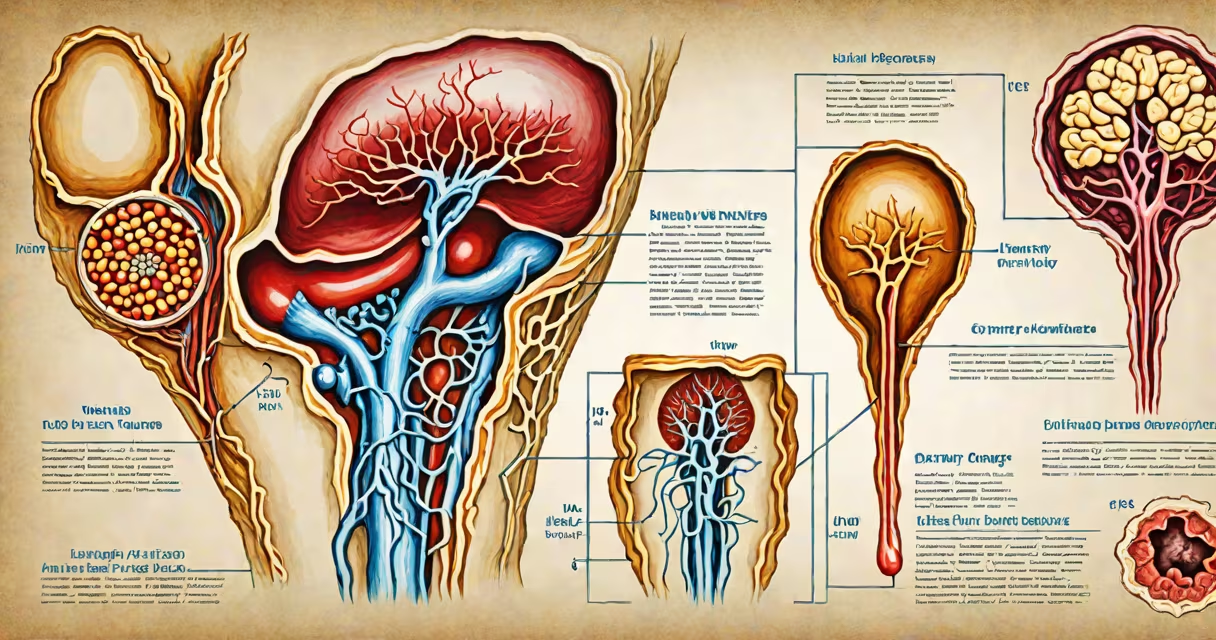
A urinary tract infection (UTI) does not cause smelly vaginal discharge. UTIs affect the bladder, urethra, or kidneys and primarily present with pain during urination, frequent urges to pee, and cloudy or strong-smelling urine. Smelly discharge usually indicates a vaginal infection such as bacterial vaginosis or a sexually transmitted infection.
UTIs result from bacteria-most commonly Escherichia coli-entering the urinary tract. These infections trigger inflammation in the lower urinary tract, leading to symptoms like burning during urination, pelvic pressure, and dark or foul-smelling urine. The condition is diagnosed through a urine test that checks for elevated white blood cells and nitrites, indicating bacterial presence.
Vaginal discharge with a fishy odor, grayish color, or associated with itching points to an imbalance in vaginal flora or an infection like bacterial vaginosis (BV). BV occurs when harmful bacteria outnumber beneficial ones in the vagina. According to the Centers for Disease Control and Prevention (CDC), BV affects about 29% of women aged 14-49 in the U.S., making it one of the most common causes of abnormal discharge.
UTIs occur when bacteria enter the urethra and travel upward into the bladder. The bladder's lining becomes inflamed, causing discomfort and urgency. Most UTIs are uncomplicated and treatable with antibiotics like trimethoprim-sulfamethoxazole or nitrofurantoin. Symptoms usually resolve within 3-5 days of treatment.
When bacteria reach the kidneys, the infection becomes pyelonephritis-a serious condition requiring hospitalization. Signs include fever, flank pain, nausea, and chills. Left untreated, kidney infections can lead to permanent damage. The American Urological Association notes that recurrent UTIs affect up to 20% of women who have had one episode, highlighting the importance of proper diagnosis and prevention.
UTIs do not involve the reproductive tract. The urethra opens near the vaginal opening but is separate from the vagina. This anatomical separation prevents UTI-causing bacteria from migrating into the vagina and altering its microbial environment. Therefore, a UTI cannot directly cause changes in vaginal discharge volume, consistency, or odor.
Smelly vaginal discharge arises from infections or imbalances in the vaginal microbiome. Bacterial vaginosis results from an overgrowth of anaerobic bacteria such as Gardnerella vaginalis. The CDC reports that BV is linked to increased risk of pelvic inflammatory disease and preterm birth. Its sign symptom is a thin, grayish-white discharge with a distinct fishy odor, especially noticeable after sex.
Other causes include trichomoniasis, a sexually transmitted infection caused by the parasite Trichomonas vaginalis. This infection produces frothy, yellow-green discharge with a strong smell. It affects approximately 3.7 million people in the U.S. annually, according to the CDC. Without treatment, it can increase susceptibility to HIV transmission.
Yeast infections, caused by Candida albicans, typically produce thick, white, cottage cheese-like discharge without a strong odor. However, secondary bacterial infections can develop, introducing a foul smell. Misdiagnosing yeast infections as UTIs is common-about 1 in 5 women with UTI symptoms actually have a vaginal infection instead.
| Condition | Primary Symptoms | Discharge Characteristics | Odor |
|---|---|---|---|
| UTI | Burning urination, frequent urge, lower abdominal pain | None (urine only) | Foul-smelling urine |
| Bacterial vaginosis | Itching, fishy odor, grayish discharge | Thin, watery, grayish-white | Distinct fishy smell |
| Trichomoniasis | Frothy discharge, genital irritation, redness | Yellow-green, frothy | Strong, unpleasant odor |
| Yeast infection | Itching, swelling, thick white discharge | Cottage cheese-like | Usually mild or absent |
Many patients report "smelly discharge" when describing UTI symptoms. This confusion stems from overlapping terminology. The term "discharge" often refers to vaginal fluid, but urine can also be described as "discharged." When someone says their discharge smells bad, they may mean their urine has a strong odor-not vaginal fluid.
For example, a woman with a UTI might describe her urine as "funky" or "like ammonia," which is accurate. But she may incorrectly assume this is vaginal discharge. This mislabeling delays proper treatment. A 2021 study in the Journal of Women's Health found that 36% of women with UTI symptoms initially believed they had a vaginal infection due to confusion over symptom language.
Another key distinction: UTIs don't cause vaginal pH changes. The normal vaginal pH is 3.8-4.5. Bacterial vaginosis raises it above 4.5. A urine test won't detect this shift. Only a vaginal swab or pH testing can confirm BV. This difference explains why treating a UTI with antibiotics doesn't resolve fishy-smelling discharge-it's a different system entirely.
If you notice persistent smelly discharge, especially with itching, burning, or pain during sex, see a healthcare provider. A pelvic exam and lab tests can identify the cause. Self-diagnosis based on internet searches leads to incorrect treatments in 40% of cases, per a 2020 review in the American Family Physician journal.
For example, a patient with BV was prescribed antibiotics for a suspected UTI. After five days, symptoms worsened. A follow-up visit revealed BV. Switching to metronidazole resolved the issue. This case illustrates why distinguishing between urinary and vaginal infections matters.
Does a UTI cause smelly discharge? No. A UTI affects the urinary system, not the vagina. Smelly discharge signals a vaginal infection, not a UTI. Accurate diagnosis requires testing urine for infection and examining vaginal fluid for pH, microscopic signs, or culture results. Never assume symptoms match your initial guess-get tested.