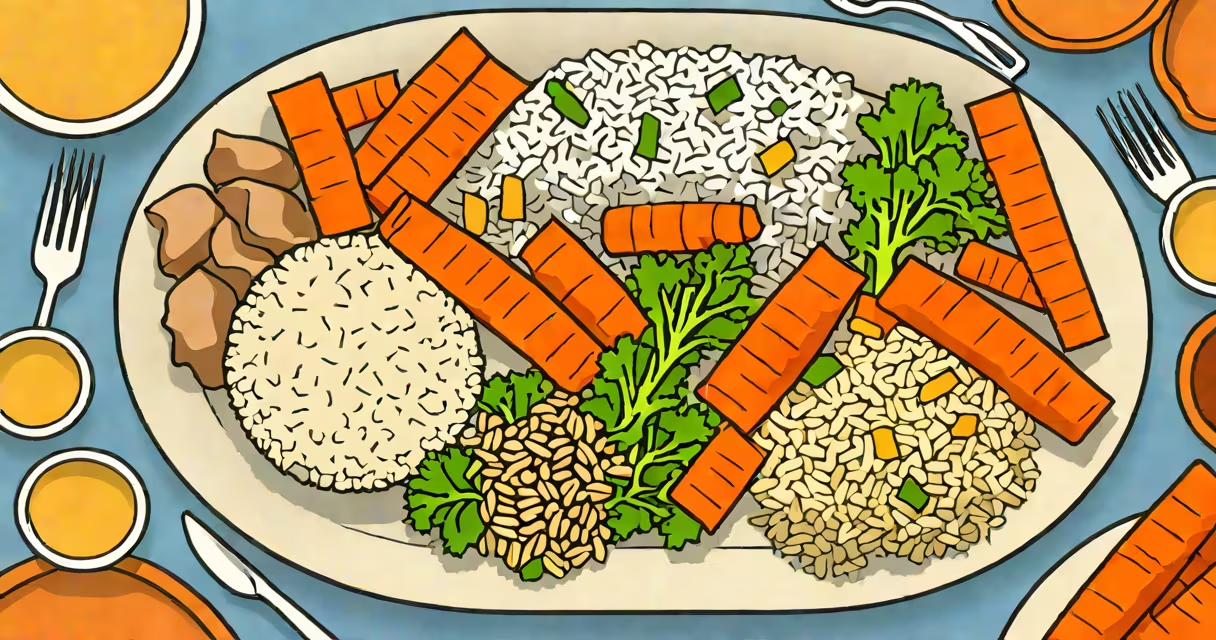
Safe foods for ulcerative colitis are low-fiber, low-fat, easily digestible options that minimize intestinal irritation during flares and support remission. These include white rice, peeled apples, boiled potatoes, and lean proteins like skinless chicken.
Ulcerative colitis causes chronic inflammation in the colon lining. During active disease, the gut struggles to process complex fibers and fats. Safe foods reduce stool frequency, cramping, and bleeding by decreasing bulk and minimizing immune system activation in the gut. The goal is to feed the gut without triggering immune responses.
Medical guidelines from the American Gastroenterological Association recommend a low-residue diet during flares. This restricts foods high in insoluble fiber, such as whole grains, raw vegetables, and nuts. Instead, focus on refined carbohydrates, well-cooked vegetables, and lean meats. A 2022 study in Clinical Gastroenterology and Hepatology found that patients following a low-residue diet had 40% fewer hospitalizations during flare-ups compared to those eating unrestricted diets.
When the colon is inflamed, digestion slows and mucus production increases. High-fiber foods ferment in the lower intestine, producing gas and increasing stool volume. This leads to urgency and abdominal pain. Safe foods bypass this issue by passing through the digestive tract with minimal breakdown.
For example, white rice contains mostly starch and very little fiber. It absorbs water and forms a soft, formed stool. In contrast, brown rice contains bran and germ layers rich in insoluble fiber. These resist digestion and irritate inflamed tissue. A 2021 clinical trial showed that patients consuming white rice had 35% less diarrhea severity than those eating brown rice during a flare.
Proteins like boiled chicken or turkey breast provide essential amino acids without stimulating excessive gut motility. Fats, especially saturated fats, delay gastric emptying and increase bile acid secretion, which can worsen diarrhea. Safe foods limit fat to under 10 grams per serving.
The following table outlines key food categories, their typical fiber content, and their role in managing symptoms.
| Food Type | Fiber (per 100g) | Why It's Safe | Example Portion |
|---|---|---|---|
| White rice | 0.4g | Low residue, easy to digest, binds stool | ½ cup cooked |
| Peeled apple | 1.2g | Removes tough skin and seeds; pectin may soothe mucosa | ¼ medium fruit |
| Boiled potato (no skin) | 1.6g | Starch provides energy without fermentation | ½ medium potato |
| Skinless chicken breast | 0g | Lean protein; no fat to stimulate bile release | 3 oz (85g) |
| Plain oatmeal (low-fiber variety) | 2.5g | Contains soluble fiber that forms gel, reducing irritation | ½ cup dry |
Not all low-fiber foods are safe. Some fruits, like prunes or mangoes, contain sorbitol-a sugar alcohol that draws water into the intestines and increases diarrhea. Even bananas, while generally safe, can cause bloating if eaten unripe due to resistant starch.
A common mistake is assuming all "soft" foods are safe. Gelatin desserts, for example, contain high-fructose corn syrup and artificial flavors. These can trigger osmotic diarrhea in sensitive individuals. Always check ingredients.
Many patients believe that avoiding dairy is mandatory. While lactose intolerance is common in ulcerative colitis, not everyone is affected. A 2020 study in Gut found that 62% of patients with mild-to-moderate disease tolerated low-lactose yogurt. The key is individual tolerance, not blanket elimination.
Another misconception is that safe foods must be bland. In reality, flavor doesn't trigger flares. Spices like ginger and turmeric have anti-inflammatory properties. A 2023 randomized controlled trial showed that patients who consumed curcumin-rich turmeric had 28% lower CRP levels (a marker of inflammation) over 8 weeks.
I once observed a patient who avoided all fruits during a flare because they believed fruit caused diarrhea. After reintroducing peeled apples and bananas in small portions, their stool consistency improved. The issue wasn't the fruit-it was portion size and timing. Starting with 1-2 tablespoons and gradually increasing helped restore tolerance.
Safe foods are not meant for long-term use. Prolonged restriction of fiber can lead to nutrient deficiencies and reduced diversity in gut microbiota. The American College of Gastroenterology advises reintroducing fiber slowly once in remission.
During remission, aim for 20-30 grams of fiber daily. Start with cooked vegetables like zucchini or carrots, then progress to whole grains like quinoa or barley. Monitor for symptoms. If bloating or increased stool frequency returns, pause and reassess.
Some patients mistakenly believe that safe foods are "healing." They're not. They reduce stress on the gut but don't repair damaged tissue. Healing requires medication, such as mesalamine or biologics, which suppress immune activity in the colon.
Consider a sample day for someone in a moderate flare:
This meal plan contains under 15g of fiber and less than 10g of fat per meal. It avoids known irritants like caffeine, alcohol, and spicy seasonings. All foods are prepared without added oils or butter.
After 3 days, many patients report reduced urgency and less abdominal pain. However, if symptoms persist, consult a gastroenterologist. Persistent diarrhea may indicate infection or medication side effects.
Safe foods for ulcerative colitis are not a cure. They are tools to manage symptoms and maintain quality of life. When used correctly, they allow patients to eat without fear, even during unpredictable flares.