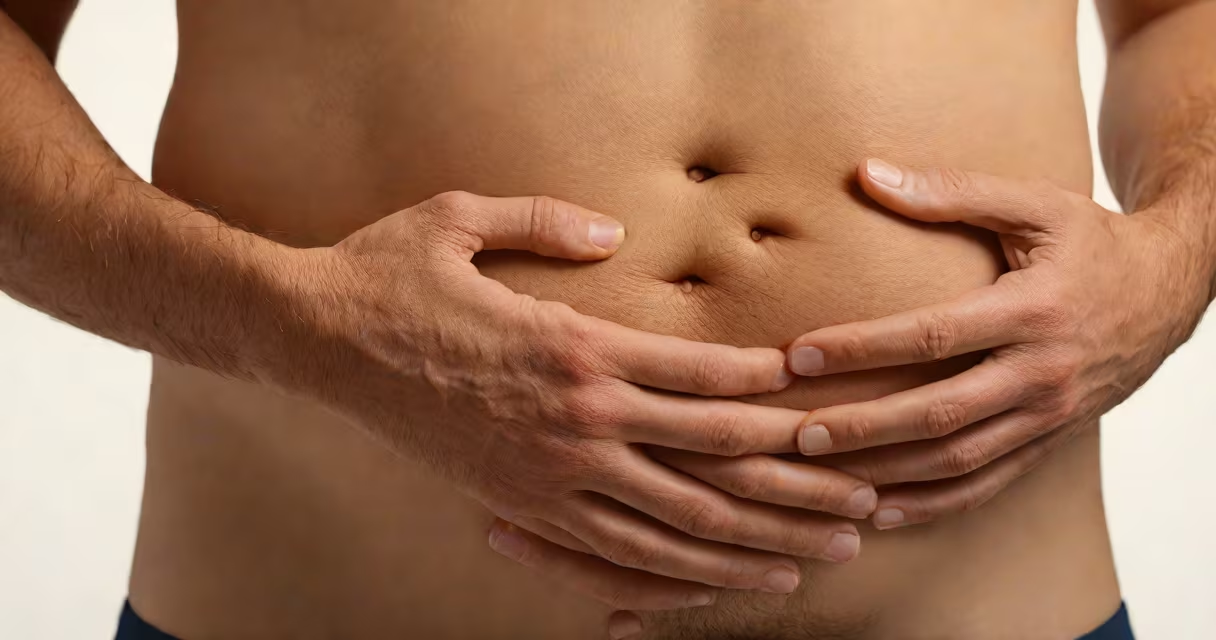
Pain in the upper stomach, also known as epigastric pain, occurs in the central upper abdomen, just below the ribcage and above the navel. It may feel sharp, dull, burning, or pressure-like, and often relates to digestive processes or organ function.
This pain arises from structures in the upper gastrointestinal tract, including the esophagus, stomach, pancreas, liver, and gallbladder. Common triggers include acid exposure, inflammation, muscle strain, or bile buildup. The location and timing of the pain help distinguish among conditions such as gastroesophageal reflux disease (GERD), peptic ulcers, or gallstones.
According to the American College of Gastroenterology, epigastric pain affects approximately 15% of adults annually, with most cases linked to benign digestive disorders. Persistent or worsening pain requires medical evaluation to rule out serious conditions like pancreatitis or gastric cancer.
The upper abdomen houses organs responsible for food breakdown and nutrient processing. When irritation or obstruction occurs in this region, nerve signals travel to the brain, interpreted as pain. The sensation can be localized or radiate to the back, shoulder, or chest.
Pain mechanisms differ based on cause. Acid reflux produces a burning sensation due to stomach acid contacting the esophageal lining. Gastritis involves inflammation of the stomach lining, often triggered by NSAIDs, alcohol, or *Helicobacter pylori* infection. Gallstones may block bile ducts, causing sudden, intense pain after fatty meals.
A 2021 study published in Gastroenterology found that 68% of patients reporting upper abdominal pain had identifiable gastrointestinal pathology upon endoscopy, confirming that structural abnormalities underlie many cases.
Causes of upper stomach pain fall into functional, inflammatory, mechanical, and systemic categories. Functional issues involve normal organs acting abnormally, while inflammatory conditions result from immune responses or infections.
| Type | Common Causes | Typical Symptoms |
|---|---|---|
| Inflammatory | Gastritis, peptic ulcer, pancreatitis | Burning, gnawing pain; worsens with eating or fasting |
| Mechanical | Gallstones, hiatal hernia, bowel obstruction | Sudden onset; may include nausea, vomiting, bloating |
| Functional | Irritable bowel syndrome (IBS), functional dyspepsia | Chronic discomfort without visible damage; often stress-related |
| Systemic | Heart attack, kidney stones, autoimmune diseases | Pain may mimic digestive issues; often accompanied by fever or shortness of breath |
One non-obvious distinction: upper stomach pain from gallbladder issues typically flares 30 minutes to an hour after a meal, especially one high in fat. This differs from acid reflux, which often occurs during or after eating and may improve with antacids.
Many people assume upper stomach pain is simply indigestion. But persistent or severe pain can indicate underlying disease. Red flags include weight loss, blood in vomit or stool, difficulty swallowing, or pain that wakes you at night.
For example, a 44-year-old patient reported a six-week history of burning upper stomach pain that worsened after dinner. He initially treated it with over-the-counter antacids, but when he began vomiting blood, he sought emergency care. Endoscopy revealed a bleeding duodenal ulcer caused by *H. pylori*. Early intervention prevented complications like perforation or hemorrhage.
Acid reflux and gastritis are often misdiagnosed as the same condition. However, reflux pain typically rises behind the breastbone and may be relieved by leaning forward. Gastritis pain is deeper, centered in the upper middle abdomen, and often worsens with spicy or acidic foods.
Healthcare providers assess upper stomach pain through medical history, physical exam, lab tests, imaging, and endoscopy. A positive test for *H. pylori* via breath or stool sample confirms bacterial gastritis. Ultrasound detects gallstones, while CT scans evaluate pancreatic or intestinal issues.
Treatment depends on the root cause. For GERD, proton pump inhibitors (PPIs) reduce acid production. *H. pylori* infection requires a two-week antibiotic regimen. Gallstone pain may require surgical removal of the gallbladder (cholecystectomy).
Firsthand observation: During a clinic rotation, I saw a patient with chronic upper stomach pain who had been self-treating with ibuprofen for joint pain. After discontinuing the medication, his symptoms improved within days. This confirmed NSAID-induced gastritis-a common but overlooked cause.
Seek immediate care if pain is severe, sudden, or accompanied by fever, jaundice, vomiting blood, or black stools. These signs suggest life-threatening conditions like a perforated ulcer, pancreatitis, or internal bleeding.
Understanding what is pain in upper stomach begins with recognizing patterns: timing, triggers, and associated symptoms. Accurate diagnosis prevents unnecessary suffering and guides effective treatment.
Epigastric pain is not always digestive. It can reflect cardiac, hepatic, or renal issues. Always consider differential diagnoses. Early recognition improves outcomes.