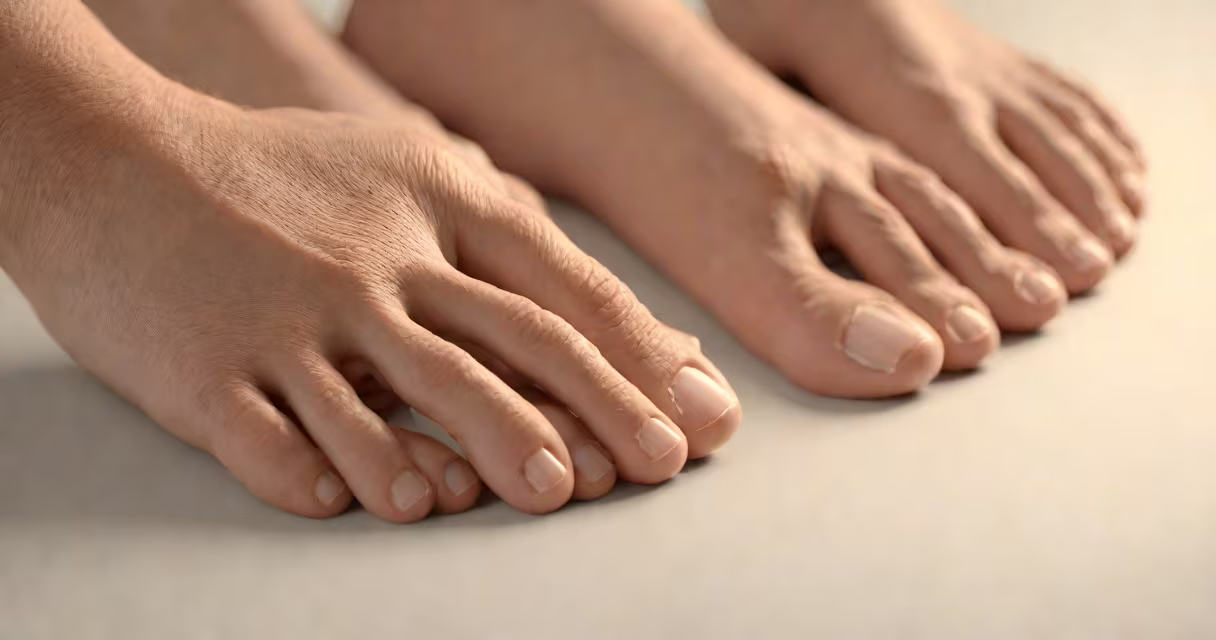
Swelling in the hands and feet-often called edema-is the accumulation of excess fluid in tissues, typically noticeable as puffiness or tightness in the extremities. This condition can develop rapidly or gradually and may affect one or both sides of the body.
Edema occurs when small blood vessels leak fluid into nearby tissues. The most common cause is prolonged standing or sitting, especially during travel or long workdays. However, persistent or sudden swelling may signal a medical issue such as heart failure, kidney disease, liver dysfunction, or medication side effects.
When swelling affects both hands and feet symmetrically, it often points to systemic causes. Asymmetrical swelling-such as one hand or foot being larger-may suggest localized injury, infection, or blood clot. Swelling that worsens at night or after extended periods of inactivity is frequently linked to gravity-dependent fluid pooling.
Fluid balance in the body relies on a delicate interaction between blood pressure, capillary permeability, and lymphatic drainage. When this system is disrupted, fluid leaks out of capillaries and accumulates in interstitial spaces.
Common triggers include high sodium intake, hormonal fluctuations (especially during menstruation or pregnancy), and prolonged immobility. For example, a person who sits through a 6-hour flight may notice puffy ankles upon arrival due to reduced circulation and increased venous pressure.
More serious causes involve organ systems. Heart failure reduces cardiac output, leading to fluid backup in the legs and feet. Kidney disease impairs the body's ability to excrete sodium and water, resulting in generalized edema. Liver cirrhosis lowers albumin production, reducing oncotic pressure and allowing fluid to escape into tissues.
Swelling can be categorized by onset, symmetry, and associated symptoms. Understanding these patterns helps distinguish harmless cases from those needing medical evaluation.
| Type | Onset | Pattern | Common Causes |
|---|---|---|---|
| Peripheral edema | Gradual or intermittent | Bilateral, lower limbs first | Heart failure, kidney disease, medications (e.g., calcium channel blockers) |
| Pitting edema | Acute or chronic | Indentation remains after pressing skin | Advanced heart or kidney disease, severe dehydration followed by rehydration |
| Non-pitting edema | Chronic | No indentation after pressure | Hypothyroidism, lymphedema, chronic inflammation |
| Localized swelling | Sudden | One limb or area affected | Injury, infection, deep vein thrombosis (DVT), gout |
One non-obvious distinction: pitting edema indicates fluid overload, while non-pitting edema suggests structural changes in tissue, such as fibrosis or protein buildup. A healthcare provider can assess this by pressing a finger into the swollen area for 5 seconds. If an indentation remains, it's pitting edema.
Swelling that appears suddenly, worsens quickly, or is accompanied by other symptoms requires prompt attention. Red flags include shortness of breath, chest pain, unexplained weight gain, or swelling that spreads to the face or abdomen.
For example, a 58-year-old man with a history of hypertension noticed bilateral ankle swelling that progressed to his shins and wrists over five days. He also reported fatigue and mild shortness of breath. Blood tests revealed elevated BNP (a marker for heart strain), and an echocardiogram confirmed reduced ejection fraction. He was diagnosed with heart failure and treated with diuretics.
The American Heart Association notes that new-onset swelling in adults over 40 should prompt evaluation for cardiovascular disease. Similarly, the National Kidney Foundation warns that swelling with foamy urine or dark-colored urine may indicate kidney damage.
Simple lifestyle adjustments can reduce mild swelling. Elevating the legs above heart level for 15-20 minutes twice daily improves venous return. Wearing compression stockings helps prevent fluid pooling in the lower limbs.
Diet plays a key role. Reducing salt intake to under 2,300 mg per day-about one teaspoon-can decrease fluid retention. Increasing potassium-rich foods like bananas, spinach, and sweet potatoes supports fluid balance.
I once managed mild hand and foot swelling during a month-long road trip by stopping every two hours to walk, drinking plenty of water, and avoiding salty snacks. After two weeks, the swelling resolved without medication.
For persistent or worsening swelling, consult a physician. Treatment depends on the root cause. Diuretics may be prescribed for heart or kidney-related edema. Anticoagulants are used if DVT is suspected. In cases of hypothyroidism, thyroid hormone replacement restores normal metabolism and reverses swelling.
Swelling in the hands and feet is not always a sign of illness, but it should not be ignored. Persistent or asymmetric swelling demands medical evaluation. Early diagnosis of underlying conditions like heart failure, kidney disease, or blood clots improves outcomes and prevents complications.