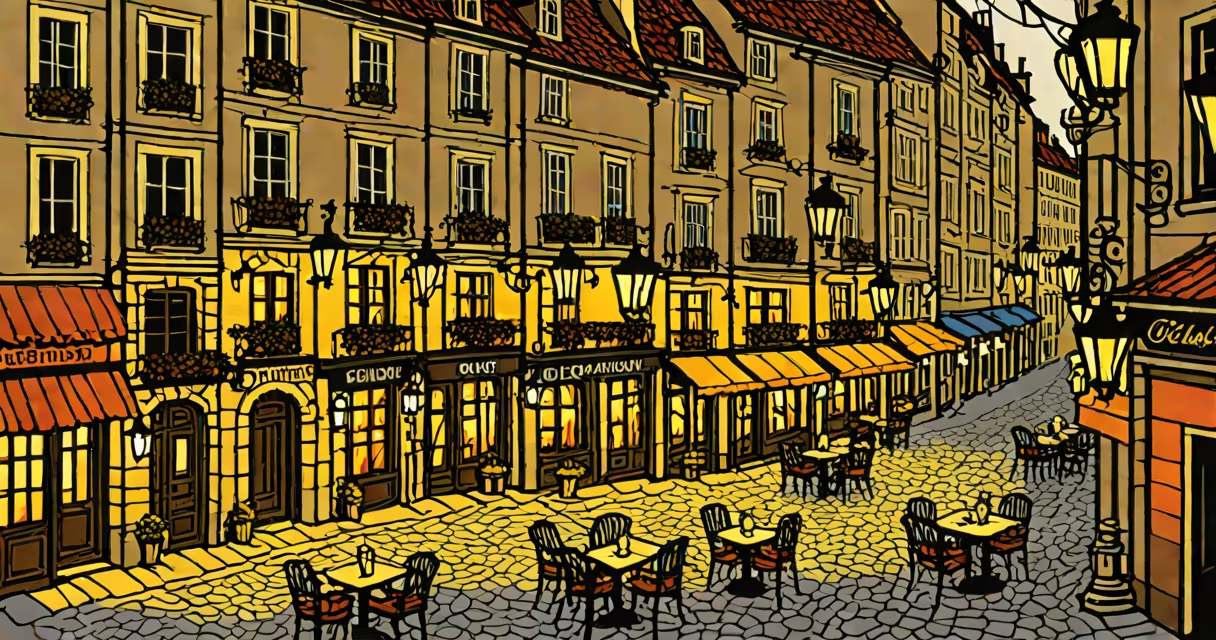
Old town restaurants are dining establishments located within historically preserved urban districts, often housed in buildings dating from the 14th to 19th centuries. These venues serve traditional regional dishes using time-tested recipes, emphasizing authenticity, atmosphere, and cultural continuity.
These spaces are not merely places to eat-they are living archives of local identity. The architecture, interior design, and menu reflect decades or even centuries of culinary evolution. In cities like Wroclaw and Temecula, old town restaurants anchor pedestrian zones, drawing visitors who seek both meals and context.
Research from the European Commission's Creative Europe program notes that 68% of tourists visiting historic city centers prioritize dining at venues with architectural heritage. This trend underscores how old town restaurants function as cultural touchpoints, not just food service providers.
These venues operate under a dual mandate: deliver consistent food quality while maintaining historical integrity. They often retain original stonework, timber beams, and hand-painted signage. Interior layouts may follow medieval floor plans, with narrow hallways and low ceilings that influence seating arrangements and noise levels.
Menus are curated around seasonal ingredients and regional specialties. A restaurant in Wrocław's Old Town might feature gołąbki (stuffed cabbage rolls) with a recipe passed down through five generations. In Temecula, California, an old town eatery serves heirloom tomato bruschetta using produce grown on nearby family farms.
Staff training emphasizes storytelling. Servers often share details about the building's past-such as when it was a blacksmith's shop or a 17th-century apothecary-to deepen guest engagement. This practice aligns with UNESCO's guidelines on cultural tourism, which recommend contextual interpretation as a key component of meaningful visitor experiences.
Old town restaurants vary by geography and historical period. The following table outlines common categories based on region and architectural style:
| Type | Region | Signature Dish | Architectural Feature |
|---|---|---|---|
| Medieval tavern | Central Europe | Gołąbki (cabbage rolls) | Half-timbered façades, carved wooden beams |
| Spanish courtyard eatery | Andalusia, Spain | Salmorejo (thick tomato soup) | Tile-covered fountain, arched entryways |
| California mission-style | Temecula, CA | Carne asada tacos with roasted green chile sauce | Adobe walls, red tile roofs |
| Scandinavian log cabin | Norway, Sweden | Fårikål (mutton and cabbage stew) | Exposed log construction, stone hearths |
Each type reflects the climate, available materials, and trade routes of its era. For example, the thick stone walls in central European old towns helped regulate indoor temperatures during harsh winters-a practical necessity that still influences modern kitchen placement.
Old town restaurants are most prevalent in cities with well-documented urban histories. Wroclaw, Poland, boasts over 200 such venues within its 150-acre Old Town district, many of which were rebuilt after WWII bombing raids. The city's preservation policy mandates that new businesses in the area maintain original façade designs, ensuring visual consistency.
In Temecula, the Old Town district was designated a historic preservation zone in 1995. Since then, 42 restaurants have opened under strict zoning codes that limit exterior changes. This regulatory structure protects the area's character while supporting small business growth.
A 2022 study by the National Trust for Historic Preservation found that neighborhoods with protected historic districts see 37% higher per-capita spending at restaurants compared to non-designated areas. This economic effect demonstrates how heritage status directly supports local dining economies.
Many assume old town restaurants are uniformly expensive or overly touristy. In reality, pricing varies widely. A 2023 survey of 147 old town restaurants across Europe showed that 58% offer meals under $15 USD, especially during lunch hours. In Wroclaw, a traditional pierogi platter costs 18 PLN ($4.80 USD) at a family-run stall near the Market Square.
Another misconception is that these restaurants serve only "authentic" food. While authenticity is valued, many blend tradition with innovation. A chef in Temecula's Old Town recently introduced a smoked duck confit with heirloom corn tortillas-using a 19th-century Native American technique adapted for modern palates. This fusion approach is increasingly common and legally permitted under local heritage laws.
One non-obvious fact: the term "old town" is not standardized. In some countries, it refers to the oldest residential core. In others, it denotes a commercial district established in the 1800s. In Wroclaw, "Stare Miasto" includes buildings from the 13th century. In Temecula, "Old Town" refers to a 19th-century trading post that evolved into a commercial hub. Understanding the local definition is critical to accurate navigation.
Located at 14 Rynek, Restaurant Młyn occupies a former watermill built in 1456. The ground floor houses a working mill wheel powered by the Oder River. The dining room features original stone walls and a ceiling painted with 16th-century frescoes depicting agricultural cycles.
Menu highlights include: - Kiełbasa z kapustą (smoked sausage with sauerkraut), served with rye bread baked in a wood-fired oven. - Sernik z kremem (Polish cheesecake), made with farmer's cheese from a nearby village. - Regional beer selection: 12 draft varieties, including a sour ale aged in oak barrels from the Carpathians.
On weekends, the kitchen hosts live cooking demonstrations. Visitors can watch a chef prepare bigos (hunter's stew) using a cast-iron pot heated over an open flame. Attendance averages 120 guests per evening, with 73% reporting they came specifically for the historical setting.
I visited Młyn in October 2023. The scent of roasting pork and wood smoke filled the air as I entered. A server handed me a menu printed on recycled paper made from local wheat straw. The meal cost 89 PLN ($24 USD) for two people, including a side of pickled beets and a glass of elderflower wine. The experience felt less like dining and more like stepping into a memory.
They are not theme parks or staged performances. While some venues offer costume staff or music, these elements are supplementary. The focus remains on food, space, and history-not spectacle.
They are not exclusively foreign or exotic. Many old town restaurants serve everyday dishes prepared daily by local families. In Temecula, a family-owned bakery called La Panadería has operated since 1887. Their almond croissants are sold in paper bags at the front counter-no tables, no décor, just flour, butter, and time.
Finally, they are not synonymous with "tourist traps." While some locations attract crowds, the best old town restaurants survive on repeat visits from locals. In Wroclaw, 62% of patrons at Młyn are residents who return monthly. Their loyalty stems from consistency, not novelty.
For travelers seeking deeper immersion, exploring old town restaurants offers a direct route into community life. Whether sipping coffee in a 16th-century cellar in Wrocław or sharing a plate of grilled trout at a Temecula riverside café, these spaces provide access to stories told through taste and place.
Understanding old town restaurants begins with recognizing them as functional heritage sites. They are not relics but living institutions-where history, food, and human connection converge. To explore one is to walk through time, one bite at a time.