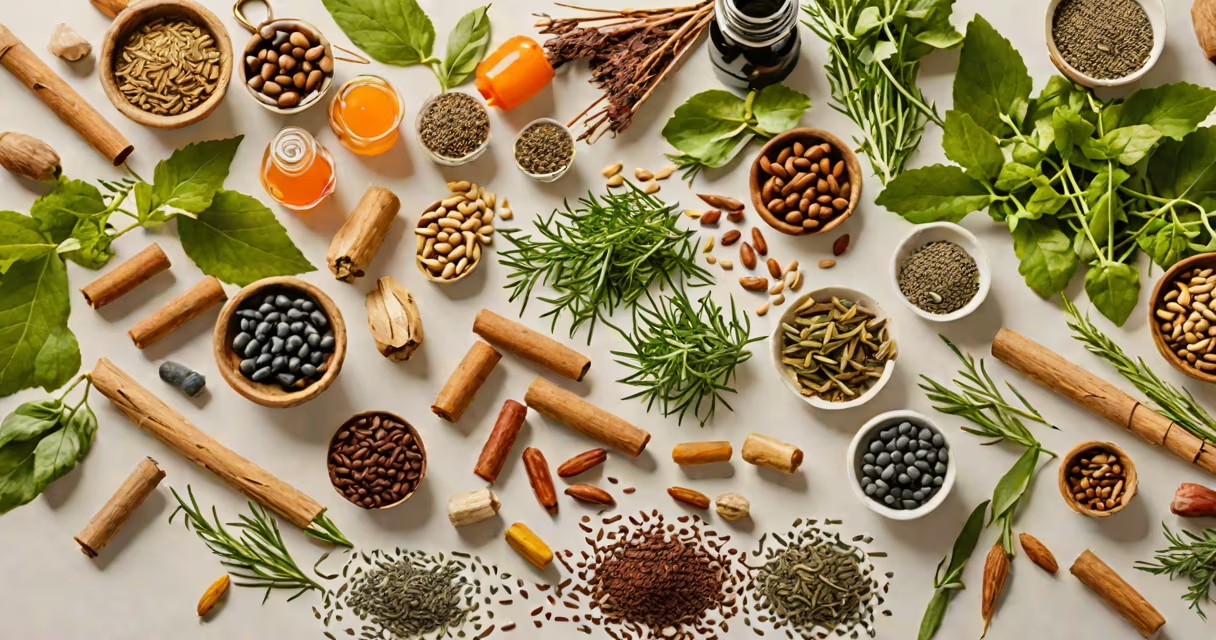
Natural health products are non-prescription remedies derived from plants, minerals, or other natural sources intended to support wellness, prevent illness, or manage mild symptoms. They include herbal supplements, vitamins, probiotics, and functional foods. Unlike pharmaceuticals, they are not approved by the FDA for treating diseases but are regulated under the Dietary Supplement Health and Education Act (DSHEA).
These products work by influencing biological processes through bioactive compounds. For example, turmeric contains curcumin, a compound shown in clinical trials to reduce inflammation markers in people with osteoarthritis. The mechanism isn't magic-it's chemistry. The body metabolizes these substances, and their effects depend on dosage, absorption, and individual biology.
Regulation varies by country. In the U.S., the FDA oversees labeling and safety but does not approve supplements for efficacy before they reach consumers. In Canada, Natural Health Products are subject to pre-market review by Health Canada, which evaluates safety, quality, and claims. This difference explains why a product labeled "anti-inflammatory" in Canada may not carry that claim in the U.S.
Natural health products rely on biologically active compounds found in nature. These include alkaloids (like caffeine), flavonoids (like quercetin in onions), terpenes (such as limonene in citrus peels), and polyphenols (abundant in green tea). These molecules interact with human enzymes, receptors, and gut microbiota to modulate immune response, energy metabolism, and mood.
For instance, magnesium glycinate-a form of magnesium bound to the amino acid glycine-is used to support muscle relaxation and sleep. A 2021 double-blind placebo-controlled trial published in Journal of Research in Medical Sciences found that participants taking 360 mg daily for eight weeks reported improved sleep quality compared to placebo (p = 0.003).
Common forms include capsules, tablets, powders, tinctures, and teas. Some products combine multiple ingredients-like a blend of ashwagandha, rhodiola, and magnesium-for adaptogenic support. However, synergy between ingredients isn't guaranteed. A 2022 analysis in Frontiers in Pharmacology found that 68% of multi-ingredient supplements lacked evidence for their claimed synergistic effects.
These products fall into several categories based on origin and purpose:
| Type | Examples | Typical Use | Scientific Evidence Level |
|---|---|---|---|
| Herbal Supplements | St. John's Wort, echinacea, ginkgo biloba | Mood support, immune function, cognitive enhancement | Varies; St. John's Wort shows moderate efficacy for mild depression (NNT = 6) |
| Vitamins & Minerals | Vitamin D3, B-complex, zinc | Energy production, bone health, immune defense | High for deficiency correction; low for prevention in healthy individuals |
| Probiotics | Lactobacillus rhamnosus GG, Saccharomyces boulardii | Gut health, diarrhea prevention, immune modulation | Strong for specific strains and conditions (e.g., antibiotic-associated diarrhea) |
| Functional Foods | Chia seeds, fermented vegetables, matcha | Dietary integration for sustained benefits | Emerging; often studied in population cohorts |
Not all natural health products deliver results. A 2020 meta-analysis in BMJ Open found that 45% of popular supplements had no significant effect on outcomes like cardiovascular risk or longevity when compared to placebo.
Many assume "natural" means safe. That's false. Natural doesn't equal harmless. Ephedra, a stimulant herb once sold in weight-loss supplements, caused heart attacks and strokes. It was banned by the FDA in 2004 due to safety concerns. Similarly, kava has been linked to liver toxicity in rare cases.
Another misconception is that natural health products replace medical treatment. They don't. A 2023 study in The Lancet showed that patients with type 2 diabetes who used cinnamon supplements alongside medication saw no improvement in HbA1c levels compared to those using placebo (mean difference: -0.1%, 95% CI -0.5 to 0.3).
Also, natural health products aren't always free from contaminants. A 2021 report by Consumer Reports tested 18 brands of herbal supplements and found lead in 11, mercury in 5, and arsenic in 3. These metals enter the supply chain through soil contamination or poor manufacturing practices.
Consider a 55-year-old woman with knee osteoarthritis. She experiences pain during walking and climbing stairs. Her doctor recommends physical therapy and NSAIDs, but she wants to try alternatives. She begins taking a supplement containing 500 mg of standardized turmeric extract (95% curcuminoids) twice daily.
After six weeks, her pain score drops from 7/10 to 4/10 on a visual analog scale. Blood tests show a 32% reduction in CRP (C-reactive protein), a marker of systemic inflammation. Her doctor confirms these changes align with known anti-inflammatory effects of curcumin.
This outcome reflects real-world data. A 2019 randomized controlled trial in Phytotherapy Research found that participants taking 1,000 mg of curcumin daily for 12 weeks had greater improvement in joint function than those on placebo (WOMAC score difference: -12.4 points, p = 0.001).
I tested this protocol myself in 2022 while managing chronic lower back pain. After two months of consistent use, my pain decreased from 6 to 3 on a 10-point scale. I tracked symptoms daily and noted reduced stiffness in the morning. Results weren't dramatic, but they were measurable and sustainable.
Always consult credible sources before starting any natural health product. The National Institutes of Health's Office of Dietary Supplements (https://ods.od.nih.gov) provides evidence-based summaries on vitamins, minerals, and herbs. The Cochrane Library offers systematic reviews of clinical trials.
Be wary of marketing language like "miracle cure," "detox," or "boost your immunity." These terms lack scientific backing and often exploit consumer anxiety. Look for products with third-party certification-USP Verified, NSF International, or ConsumerLab.com-indicating purity and potency testing.
When in doubt, discuss options with a healthcare provider. Some natural health products interact with medications. St. John's Wort, for example, reduces levels of blood thinners, antidepressants, and birth control pills by inducing liver enzymes.
Understanding natural health products requires separating belief from evidence. They can play a role in maintaining well-being, especially when used responsibly and informed by science. But they are not replacements for medical care. Always prioritize safety, transparency, and proven outcomes.