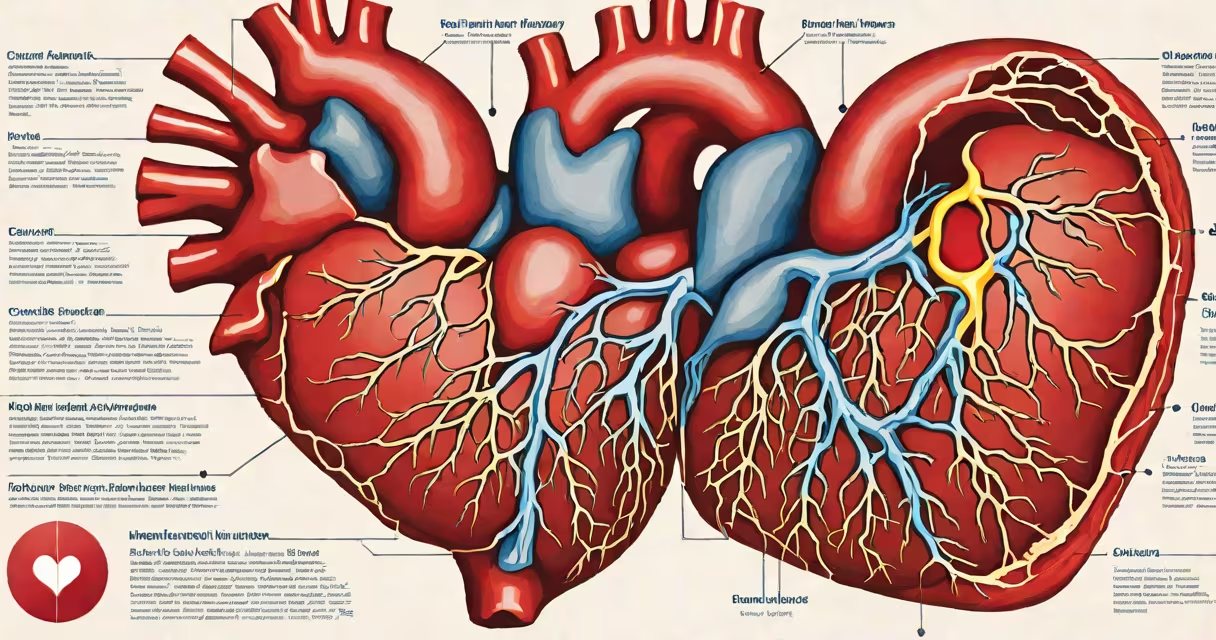
Heart failure occurs when the heart cannot pump blood effectively to meet the body's needs. Risk factors for heart failure include high blood pressure, coronary artery disease, diabetes, obesity, and prior heart attacks. These conditions damage the heart muscle or impair its function over time.
Heart failure develops gradually. It results from long-term strain on the heart due to underlying health issues. The American Heart Association identifies hypertension as the most common contributor, affecting nearly half of all heart failure cases. Left untreated, high blood pressure forces the heart to work harder, leading to thickened heart muscle and reduced pumping efficiency.
Other major contributors include ischemic heart disease-caused by blocked coronary arteries-and cardiomyopathy, which weakens the heart muscle. Conditions like sleep apnea and chronic kidney disease also increase risk by disrupting fluid balance and oxygen delivery. Age, genetics, and gender play roles too, though they are non-modifiable.
Each risk factor damages the heart through distinct mechanisms. High blood pressure elevates resistance in blood vessels, causing the left ventricle to thicken (left ventricular hypertrophy). Over time, this adaptation fails, reducing stroke volume and increasing the likelihood of heart failure with preserved ejection fraction (HFpEF).
Coronary artery disease restricts blood flow to heart muscle. A myocardial infarction (heart attack) kills cardiac cells, leaving scar tissue that doesn't contract. This reduces pumping capacity. According to the National Institutes of Health, about 50% of people who survive a heart attack develop heart failure within five years.
Diabetes contributes via multiple pathways. Hyperglycemia damages small blood vessels and nerves controlling heart rate. Insulin resistance alters energy metabolism in heart cells, making them less efficient. The CDC reports that adults with diabetes have twice the risk of developing heart failure compared to those without.
Risk factors fall into two categories: modifiable and non-modifiable. Modifiable factors can be changed through behavior or treatment. Non-modifiable ones cannot be altered but still influence disease development.
| Type | Examples | Impact Level |
|---|---|---|
| Modifiable | High blood pressure, smoking, physical inactivity, obesity, uncontrolled diabetes, high cholesterol | High (up to 60% reduction in risk with control) |
| Non-modifiable | Age (>65), family history, male sex, prior heart attack, congenital heart defects | Moderate to high (independent predictors) |
For example, a 60-year-old man with a family history of heart failure has a baseline risk. But if he also smokes and has poorly controlled hypertension, his actual risk multiplies. The Framingham Heart Study found that individuals with three or more modifiable risk factors had a 4.5-fold higher chance of developing heart failure over 10 years.
Many assume heart failure only affects older adults. While incidence rises with age, younger people can develop it-especially due to viral infections, autoimmune diseases, or substance abuse. A 2021 study in JAMA Cardiology showed that 12% of new heart failure cases occurred in patients under 50.
Another myth is that heart failure always involves sudden collapse. Most cases progress slowly. Early symptoms-shortness of breath during exertion, fatigue, swelling in legs-are often ignored. By the time patients seek care, significant heart damage may have occurred.
Some confuse heart failure with a heart attack. They are different: a heart attack is a sudden blockage of blood flow; heart failure is a chronic condition where the heart loses pumping ability. However, a heart attack increases the risk of heart failure by 20-30% within one year.
Consider a 58-year-old woman diagnosed with stage 1 hypertension and prediabetes. Her doctor orders an echocardiogram, which shows normal ejection fraction but early signs of left ventricular remodeling. She begins lifestyle changes: she reduces sodium intake to 1,500 mg/day, walks 30 minutes daily, and starts metformin for insulin resistance.
After 18 months, her blood pressure stabilizes at 128/80 mmHg, and her HbA1c drops from 6.2% to 5.8%. Repeat imaging shows no further remodeling. This case illustrates how addressing modifiable risk factors halts progression toward heart failure.
Screening for heart failure risk begins with assessing blood pressure, cholesterol, and blood sugar levels. Adults over 40 should have annual checkups. Those with a family history or existing cardiovascular disease need earlier and more frequent monitoring.
Understanding your risk factors for heart failure enables proactive steps. Controlling blood pressure, managing diabetes, quitting smoking, and maintaining a healthy weight lower your chances of developing heart failure. Prevention is not optional-it's essential.