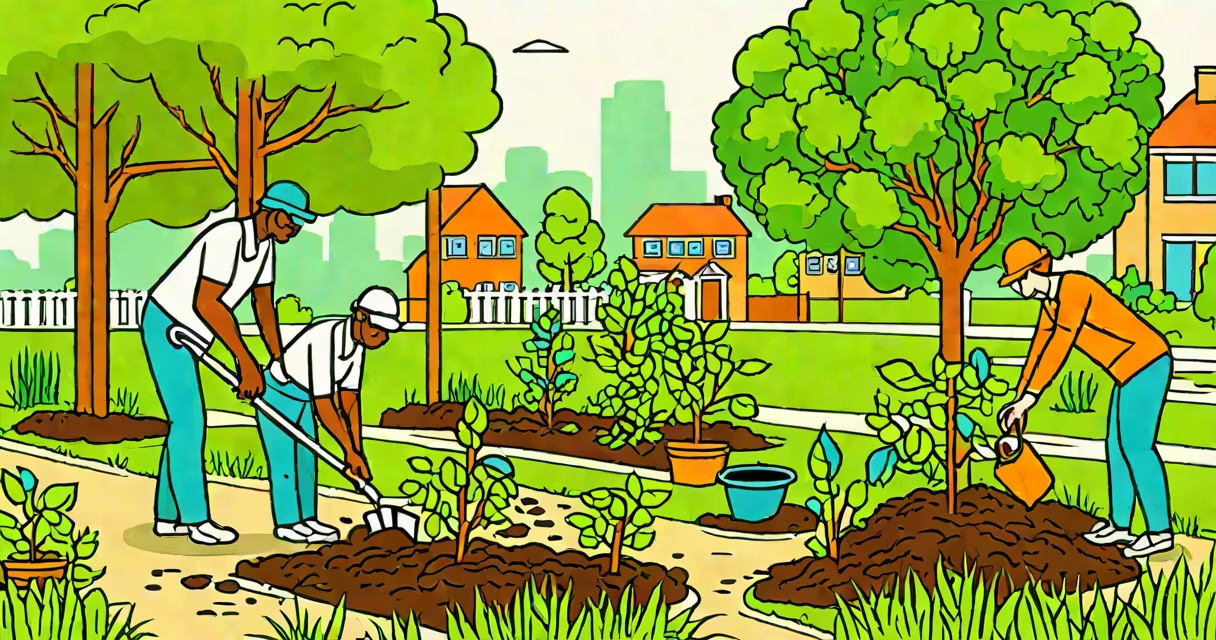
Individuals can help stop pollution by reducing single-use plastics, conserving water and energy, supporting clean transportation, and participating in local cleanup efforts. These actions lower emissions, prevent waste from entering ecosystems, and drive demand for sustainable alternatives.
Pollution stems from human activity-industrial processes, vehicle exhaust, improper waste disposal, and excessive resource consumption. The Environmental Protection Agency (EPA) identifies air, water, soil, and noise pollution as major categories affecting public health and biodiversity. While systemic change requires policy and corporate action, individuals contribute meaningfully through consistent, measurable behaviors.
For example, switching from disposable plastic bags to reusable ones reduces plastic waste. A single reusable bag replaces hundreds of plastic ones over its lifetime. According to the EPA, Americans use about 100 billion plastic bags annually-most end up in landfills or oceans. By choosing reusable alternatives, people cut down on material production and disposal burdens.
Pollution begins when substances enter the environment at levels that harm living organisms or disrupt natural systems. Air pollutants like nitrogen oxides and particulate matter come from vehicles and factories. Water pollution arises from agricultural runoff, sewage discharge, and industrial effluent. Soil contamination results from pesticides, heavy metals, and leaking storage tanks.
Once released, pollutants travel through air currents, waterways, and food chains. A study published in Nature found microplastics in 94% of tap water samples tested across 14 countries. These particles originate from synthetic clothing fibers, degraded packaging, and tire wear-sources often overlooked in personal pollution reduction.
Even indoor environments carry pollution risks. Volatile organic compounds (VOCs) from paints, cleaning products, and furniture off-gas into homes. The World Health Organization (WHO) reports that indoor air pollution causes 3.8 million premature deaths annually worldwide-more than malaria and HIV combined.
Simple daily habits reduce environmental harm. Replace plastic toothbrushes with bamboo models. Use refillable containers for laundry detergent and dish soap. Choose walking, biking, or public transit over driving when possible. These choices reduce fossil fuel use and associated emissions.
Food choices have outsized impacts. The United Nations Food and Agriculture Organization estimates that 30% of global food is wasted-producing methane, a greenhouse gas 25 times more potent than CO₂ over 100 years. Composting food scraps cuts landfill contributions and enriches soil. One household composting 1 kg of food waste weekly avoids 365 kg of CO₂-equivalent emissions annually.
Consider this: replacing one car trip per week with a bike or bus ride saves about 1,200 pounds of CO₂ per year. Over a decade, that's equivalent to planting 10 trees. Small shifts accumulate into measurable climate benefits.
| Action | Annual Impact (estimated) | Source |
|---|---|---|
| Switch to reusable shopping bags | Reduces 300+ plastic bags per household | EPA, 2022 |
| Compost kitchen waste | Prevents 1 ton of CO₂-equivalent emissions per year per household | USDA, 2021 |
| Replace one car trip with biking | Saves ~1,200 lbs of CO₂ annually | Union of Concerned Scientists, 2020 |
Many assume recycling alone solves pollution. But only 32% of U.S. recyclables are actually processed-others end up in landfills due to contamination or lack of infrastructure. Recycling is useful, but preventing waste in the first place is more effective.
Another myth: "My individual actions don't matter." In reality, collective behavior drives large-scale change. When 10,000 people switch to reusable bottles, they eliminate 500,000 plastic bottles annually. Cities like San Francisco and Seattle achieved 80% waste diversion rates through public education and policy-not just technology.
Begin with low-effort, high-reward changes. Audit your home's single-use items-replace plastic wrap with beeswax wraps, swap paper towels for cloth rags. These swaps cost under $10 and last months to years.
I once replaced my entire bathroom routine-using a bamboo toothbrush, bar soap, and a safety razor. After six months, I reduced my plastic waste by 80%. The change wasn't dramatic, but it was consistent. I noticed fewer plastic fragments in storm drains during neighborhood walks.
Join or organize a local cleanup. Earthwatch Institute reports that volunteers removed over 1.5 million pounds of debris from rivers and coastlines in 2023. Events like International Coastal Cleanup draw millions globally. Even one hour of volunteering removes dozens of pounds of trash.
Support policies that limit pollution. Vote for candidates who prioritize clean air standards, renewable energy investment, and extended producer responsibility laws. These frameworks hold industries accountable and scale solutions beyond individual effort.
Use your voice. Share facts on social media-like the 12 million barrels of oil spilled annually into oceans (UNEP, 2023). Tag brands using unsustainable packaging. Demand transparency. Consumer pressure drives innovation.
Every action counts. From refusing a straw to advocating for cleaner regulations, you're part of a growing movement. The generic link offers tools to track your progress and connect with others taking similar steps.
Understanding how to help stop pollution starts with awareness and ends with sustained behavior change. You don't need perfection-just consistency. Start small, stay committed, and your choices add up.