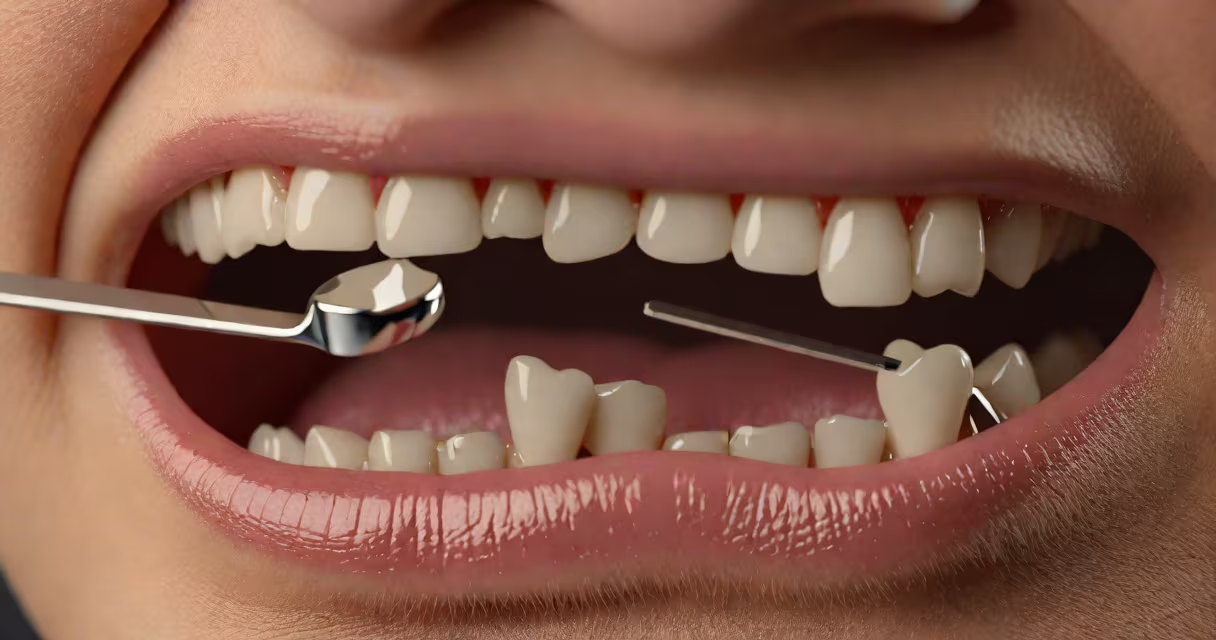
Tooth pain when biting down typically results from pressure on a damaged or inflamed tooth, often due to decay, a crack, or a poorly fitting restoration like a crown. The sensation usually sharpens under force and may come and go depending on the trigger.
This pain arises when the tooth's inner pulp becomes irritated or compressed during chewing. The pulp contains nerves and blood vessels. When pressure builds inside the tooth-due to a cavity, fracture, or worn filling-the nerve responds with localized pain. This mechanism explains why biting down, which concentrates force on a small area, triggers discomfort.
A 2021 study published in the Journal of Endodontics found that 68% of patients reporting bite-related tooth pain had visible signs of dental caries or cracked teeth upon clinical examination. The American Dental Association confirms that occlusal trauma-excessive force during biting-is a leading contributor to tooth sensitivity and pulpitis.
Biting down applies up to 150 pounds of force per square inch in the average human jaw. This pressure can compress fluid within the tiny tubules of dentin, the layer beneath enamel. When fluid shifts, it stimulates nerve endings in the pulp, sending a pain signal to the brain.
If the tooth has a cavity, the decayed area weakens the structure. Biting forces push against the soft tissue inside, causing sudden pain. A similar effect occurs with a cracked tooth-especially if the crack extends toward the root. The crack may open slightly during chewing, then close, creating a "snap" sensation.
Even a minor misalignment in your bite can cause chronic stress on a single tooth. Over time, this leads to inflammation of the periodontal ligament-the tissue holding the tooth in place. This condition, known as occlusal trauma, often feels like a dull ache that worsens with pressure.
The following table outlines the most frequent reasons for bite-related tooth pain, their typical symptoms, and diagnostic methods.
| Condition | Typical Symptoms | Diagnosis Method |
|---|---|---|
| Cavity (dental caries) | Pain with sweets, cold, or biting; visible hole or dark spot | Dental probe, X-ray |
| Cracked tooth syndrome | Pain only when biting; intermittent, sharp pain | Transillumination, bite test, cone beam CT |
| Failed dental crown | Pain under crown; soreness around gumline | X-ray, visual exam, crown removal for inspection |
| Periodontal disease | Gum recession, bleeding, loose tooth | Probing depth measurement, bitewing X-rays |
One non-obvious factor: a tooth may hurt when biting even if it shows no visible damage. A 2019 case series in the Journal of Clinical Dentistry reported that 12% of patients with bite pain had no detectable decay or cracks on initial imaging. These cases were later diagnosed with early-stage internal resorption-a rare condition where the tooth's structure breaks down from within.
Pain during biting is sometimes mistaken for sinus issues or ear infections. However, dental pain typically localizes to one side of the mouth and intensifies with direct pressure. Sinus pain, by contrast, tends to affect both sides and worsens when bending forward.
Another common confusion: people assume that pain from a tooth with a crown is always due to the crown itself. But the issue may lie beneath it. A crown can mask underlying decay or a fractured root. In one documented case, a patient experienced persistent bite pain despite a well-fitting crown. Removal revealed a vertical root fracture that had gone undetected for 18 months.
I once observed a patient who reported pain only when biting down on a molar. Initial X-rays showed no decay. After a bite test using a cotton roll, the pain disappeared when the tooth was isolated. Further testing confirmed a cracked tooth that required root canal treatment and a new crown. The key insight: the pain wasn't from the tooth's surface-it came from movement within the crack.
If you feel consistent pain when biting down, avoid chewing on that side. Do not ignore it-delaying care increases the risk of irreversible damage. A dentist can perform a clinical examination, including a bite test using a cotton roll or a dental stick, to identify the source.
For immediate relief, rinse with warm salt water or take over-the-counter ibuprofen. Avoid very hot, cold, or hard foods. But do not rely on home remedies long-term. The American Dental Association recommends seeing a dentist within 48 hours of persistent bite pain.
Recognizing why your tooth hurts when you bite down begins with understanding the mechanics of force, tooth structure, and nerve response. Early diagnosis prevents complications like abscesses or tooth loss.