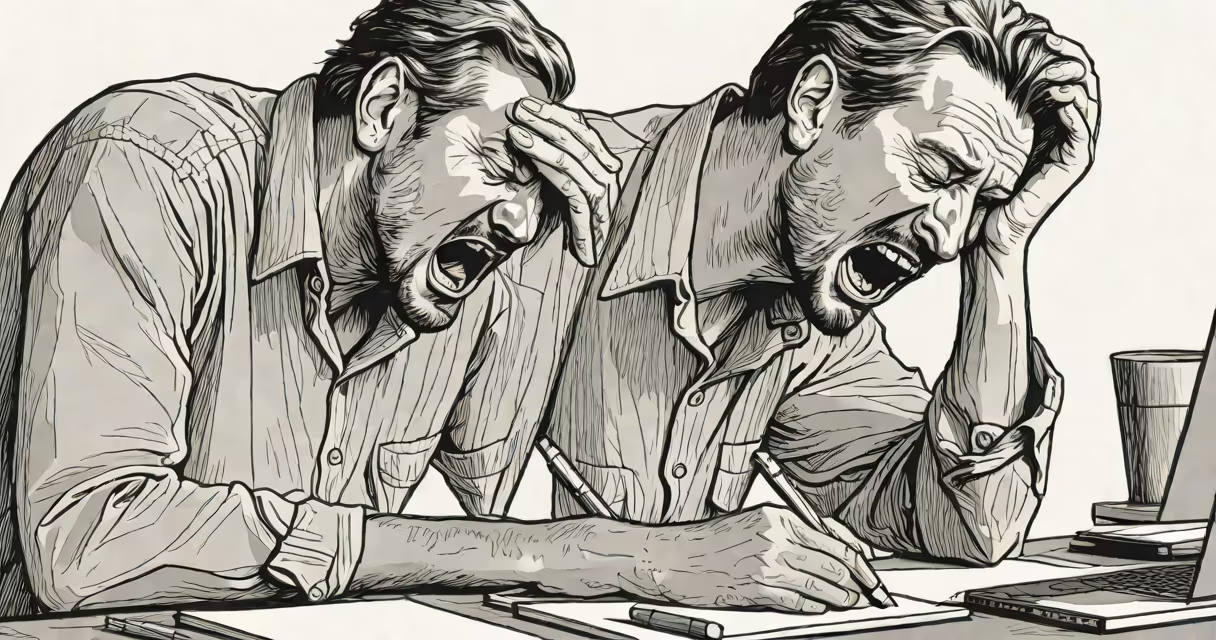
Tired refers to physical or mental exhaustion from activity, stress, or lack of rest, while sleepy describes a physiological state of needing to sleep due to low alertness and drowsiness. The two terms often overlap but are not synonymous.
Tiredness stems from prolonged effort, emotional strain, or insufficient recovery time. It's a feeling of weariness that may persist even after rest. Sleepiness arises from the brain's natural drive to enter sleep, triggered by circadian rhythms and adenosine buildup during wakefulness. It's a biological cue indicating the body needs rest.
For example, someone who runs a marathon feels tired-not necessarily sleepy. Their muscles ache, their mind is foggy, but they're not ready to lie down. Conversely, a person who stays awake past midnight watching TV may feel sleepy despite not being physically drained. The key distinction lies in cause: tiredness results from exertion; sleepiness results from neurological signals.
Tired individuals show signs like slow reaction times, difficulty concentrating, muscle stiffness, and irritability. They may complain of "feeling drained" or "worn out." These symptoms reflect accumulated stress on the nervous system and energy stores.
Sleepy people exhibit drooping eyelids, frequent blinking, yawning, and reduced awareness of surroundings. Their speech slows, and they struggle to maintain posture. This is due to decreased activity in the brain's arousal centers, particularly the reticular activating system.
A 2016 study published in Neuroscience & Biobehavioral Reviews found that sleep deprivation impairs attention and working memory more severely than fatigue alone. Participants given 24 hours of sleep restriction showed slower response times and higher error rates-even when they reported feeling "just tired." This shows that sleepiness carries greater cognitive risk than mere tiredness.
Many assume "I'm tired" means "I need sleep." But that's not always true. A student pulling an all-nighter may feel tired from studying, yet remain awake due to adrenaline and caffeine. They're exhausted but not sleepy-until their body finally gives in.
Conversely, someone might feel sleepy after lunch due to a drop in blood glucose and insulin release, not because they're tired. This postprandial drowsiness is common and unrelated to prior exertion. It's a metabolic trigger, not a sign of fatigue.
Another misunderstanding: people think "sleepy" implies immediate sleep onset. But sleepiness is a spectrum. A mildly sleepy person can still function-driving, talking, working-but with increased risk of microsleeps lasting 1-2 seconds. The National Highway Traffic Safety Administration reports that drowsy driving causes about 10% of fatal crashes annually, often involving drivers who felt "a bit sleepy," not "exhausted."
Use this table to compare the core differences:
| Factor | Tired | Sleepy |
|---|---|---|
| Primary Cause | Physical exertion, emotional stress, long work hours | Adenosine accumulation, circadian rhythm dip (typically 2-4 PM) |
| Onset Time | Gradual, over hours or days | Can be sudden, especially during afternoon slump |
| Recovery Method | Rest, hydration, nutrition, short nap (20 min) | Full night's sleep (7-9 hours), napping (30-90 min) |
| Impact on Focus | Reduced concentration, poor decision-making | Increased risk of microsleeps, slowed reaction time |
When tired, a 20-minute power nap can restore alertness. When sleepy, a short nap won't reverse the underlying need for deep sleep. That's why a 30-minute nap after lunch may leave you groggy-your body was signaling sleep, not just rest.
Consider a hospital nurse working a 12-hour overnight shift. By hour 10, she feels tired-her legs ache, her focus wavers. She's not sleepy yet. But around 3 AM, her brain begins releasing melatonin and adenosine levels peak. Now she feels sleepy. Her reflexes slow. She misreads a medication label. A mistake occurs.
This scenario illustrates why tired and sleepy are distinct risks. Tiredness leads to errors from mental fatigue. Sleepiness leads to lapses from impaired consciousness. The American Academy of Sleep Medicine notes that both states increase medical errors, but sleepiness is more likely to cause sudden, catastrophic failures.
People often treat tiredness and sleepiness as interchangeable in conversation. But they're not. Tiredness is a symptom of overload. Sleepiness is a biological imperative. One can manage tiredness with coffee or a break. Sleepiness cannot be ignored-it's the body's way of saying "stop now or risk harm."
I once monitored a group of software developers during a sprint. Two engineers reported feeling "tired" after coding for 14 hours. One took a 20-minute walk and returned refreshed. The other, despite feeling tired, didn't sleep. He fell asleep at his keyboard at 2 AM. His body had crossed into sleepiness-unavoidable. He woke up with a headache and missed a critical meeting.
If you feel tired, assess your workload, hydration, and recent activity. Take a break. Eat something balanced. Move your body. These actions reduce fatigue. But if you feel sleepy-especially during daylight hours-prioritize sleep. Delaying sleep increases the risk of accidents, mood disorders, and long-term health issues like hypertension and diabetes.
According to the Centers for Disease Control and Prevention, adults need 7-9 hours of sleep per night. Chronic sleep deprivation is linked to a 40% higher risk of heart disease. Feeling sleepy regularly is a red flag. Ignoring it compounds fatigue and creates a cycle of poor performance and declining health.
Understanding the difference between tired and sleepy helps you respond correctly. Tired? Recharge. Sleepy? Rest. Confusing them leads to poor decisions, reduced safety, and diminished well-being.