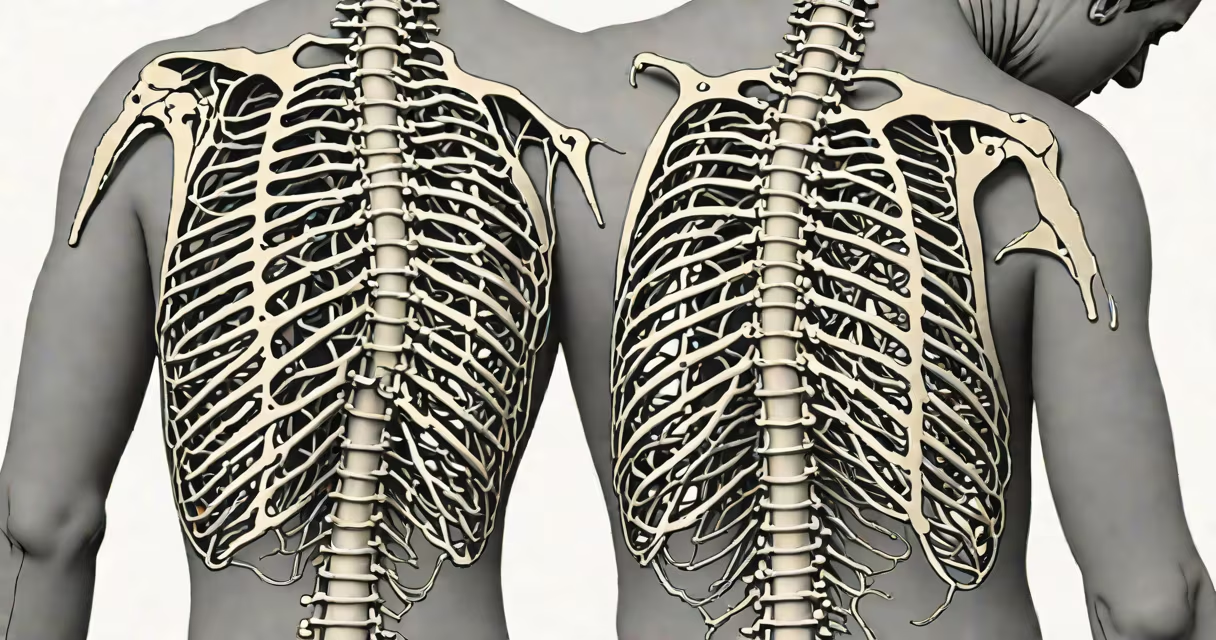
Pain on right side hurts to breathe describes sharp, localized discomfort in the right chest or upper abdomen that worsens with inhalation. This symptom often signals irritation of the pleura-the lining around the lungs-or strain in the intercostal muscles between the ribs. The sensation typically intensifies during deep breaths, coughing, or lying on the affected side.
When the pleura becomes inflamed due to infection, pulmonary embolism, or autoimmune conditions, it generates pain that correlates directly with respiratory movement. Similarly, trauma or repetitive strain can damage the muscles and nerves along the rib cage, leading to pain that mimics internal organ involvement. Identifying the root cause requires evaluating the onset, duration, and accompanying symptoms such as fever, shortness of breath, or cough.
According to the American College of Chest Physicians, pleuritic chest pain affects approximately 1 in 10 patients presenting with acute chest pain. The condition is most frequently caused by viral infections, pneumonia, or pulmonary embolism. A study published in Chest journal found that 68% of patients with pleuritic pain had a confirmed diagnosis within 48 hours of evaluation using imaging and blood tests.
The pleura consists of two thin layers-the visceral pleura covering the lungs and the parietal pleura lining the chest wall. Normally, these layers glide smoothly against each other during breathing. When inflamed, they rub together, generating sharp, stabbing pain with each breath. This mechanism explains why the pain increases during inspiration and decreases during exhalation.
Intercostal muscles, which stabilize the rib cage, can also trigger similar symptoms when strained. These muscles contract during forced breathing or sudden movements like twisting or lifting. A single episode of intense coughing or rolling over in bed can strain them, leading to localized tenderness that worsens with movement.
Neurological pathways transmit the pain signal through the intercostal nerves. These nerves exit the spinal cord at the thoracic level and run beneath each rib. Irritation from compression, infection, or shingles can cause burning or shooting pain that follows the nerve's path-often wrapping around the torso from front to back.
Conditions causing pain on right side hurts to breathe fall into three main categories: pulmonary, musculoskeletal, and systemic. Each presents distinct patterns and diagnostic clues.
| Type | Common Causes | Key Features |
|---|---|---|
| Pulmonary | Pneumonia, pulmonary embolism, pleurisy | Sharp pain worsens with deep breaths; may include fever, productive cough, or sudden shortness of breath |
| Musculoskeletal | Intercostal strain, costochondritis, rib fracture | Pain localized to one spot; worsens with movement or pressure; often follows injury or repetitive motion |
| Systemic | Shingles (herpes zoster), gallbladder disease, pancreatitis | Pain may radiate or follow dermatomal patterns; gallbladder pain often worsens after eating fatty meals |
A non-obvious distinction: gallbladder pain can mimic pleuritic pain. Right upper quadrant pain that worsens after meals-especially fried foods-is often misdiagnosed as lung-related. Ultrasound imaging reveals gallstones in 80% of symptomatic cases, according to the National Institute of Diabetes and Digestive and Kidney Diseases.
Shingles provides another example of confusion. Early-stage herpes zoster may present as unilateral, burning pain along the right side of the chest before a rash appears. Because the rash takes 2-5 days to develop, initial symptoms resemble muscle strain or nerve irritation. A 2021 study in JAMA Dermatology showed that 42% of shingles cases were initially misdiagnosed due to delayed rash onset.
Pain on right side hurts to breathe commonly arises after viral upper respiratory infections. Influenza and adenovirus are frequent culprits, triggering inflammation of the pleura. The incidence peaks in winter months, aligning with seasonal respiratory virus activity.
Physical exertion, especially activities involving twisting or heavy lifting, increases risk of intercostal strain. A 2019 study in Journal of Sports Medicine reported that 31% of athletes experiencing chest pain during training had musculoskeletal origins, with right-sided pain more prevalent in rotational sports like tennis or golf.
Underlying medical conditions raise the risk of serious causes. Patients with a history of cancer, recent surgery, or prolonged immobility face higher odds of developing a pulmonary embolism. The Wells Score-a clinical prediction rule-assigns points based on risk factors. A score above 4 indicates moderate to high probability, warranting immediate imaging.
Patients often mistake pleuritic pain for heart attack symptoms. However, cardiac pain typically radiates to the left arm or jaw and occurs during exertion. Right-sided pain that worsens with breathing and resolves at rest is less likely to be cardiac in origin.
Another common error is attributing the pain to anxiety. While panic attacks can cause chest tightness, they rarely produce sharp, localized pain that changes with respiration. Anxiety-related chest pain usually feels diffuse and persists regardless of posture or breathing pattern.
Red flags requiring urgent evaluation include:
I once evaluated a 42-year-old woman who reported right-sided chest pain worsening with breathing. She had no history of lung disease. After a normal EKG and negative troponin, a CT scan revealed a small pulmonary embolism. She was treated with anticoagulants and recovered fully. This case highlights how easily a life-threatening condition can be overlooked without imaging.
Understanding the underlying cause of pain on right side hurts to breathe prevents unnecessary anxiety and ensures timely treatment. Whether due to infection, injury, or systemic illness, accurate diagnosis begins with recognizing symptom patterns and seeking appropriate testing.