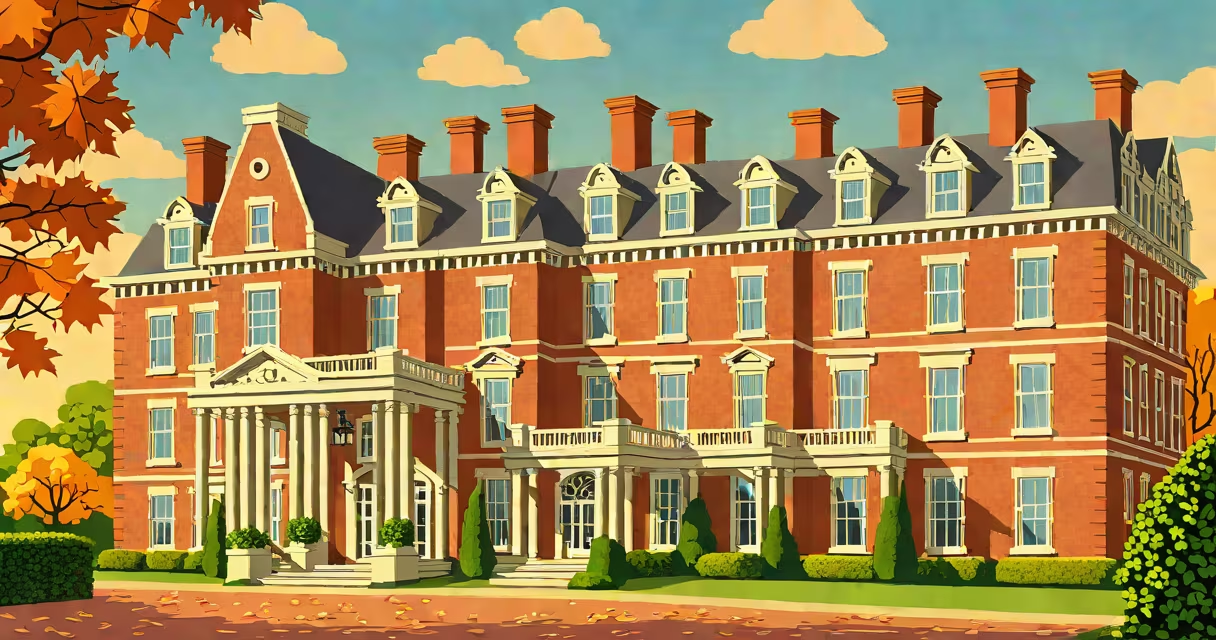
A quality hotel manor is a privately operated lodging that combines the elegance of a historic country estate with modern hospitality standards, offering guests a distinctive stay marked by attention to detail, curated design, and personalized service. These properties typically feature original architectural elements, such as carved woodwork, high ceilings, and period furnishings, while integrating contemporary comforts like climate-controlled rooms, high-speed internet, and en-set bathrooms.
Unlike chain hotels, which prioritize uniformity and scalability, quality hotel manors emphasize individuality and authenticity. They often occupy converted estates, former aristocratic homes, or long-standing family residences. The focus is on creating an immersive experience rooted in local history and culture. A stay at one feels less like checking into a room and more like being invited into a private residence with professional care.
These establishments are distinct from budget B&Bs or generic guesthouses. While both may offer breakfast and a homelike atmosphere, quality hotel manors maintain higher operational standards, including trained staff, consistent cleanliness, and formal guest services. According to the German Hotel and Restaurant Association (DEHOGA), properties classified as "quality hotel manor" must meet strict criteria for interior design, guest experience, and service consistency-often exceeding those required for standard boutique hotels.
Upon arrival, guests at a quality hotel manor typically receive a warm welcome from staff who know their name and preferences. Rooms are designed around themes drawn from the building's heritage-some may feature original fireplaces, others have views of landscaped gardens or nearby forests. Service is attentive but unobtrusive, with daily housekeeping, evening turndown rituals, and morning coffee served in the sitting room or garden.
Meals are central to the experience. Many quality hotel manors serve multi-course breakfasts using regional ingredients-fresh pastries from a local bakery, seasonal fruit, organic eggs, and house-made preserves. Dinner options may include chef-curated tasting menus or themed evenings, such as "Wine & Story Nights," where guests enjoy a five-course meal paired with regional wines and narratives about the property's past.
Quality hotel manors are built on three pillars: architecture, craftsmanship, and context. The buildings themselves are usually older-constructed between the late 1800s and early 1900s-and preserved through meticulous restoration. Original features like stained-glass windows, oak floorboards, and hand-carved moldings are retained and repaired rather than replaced.
Interior finishes reflect regional materials. In Bavaria, expect dark walnut paneling and stone hearths. In the Black Forest, pine wood and handwoven textiles dominate. Bathrooms often include walk-in showers with rainfall heads, heated floors, and locally sourced toiletries. Lighting is layered-wall sconces, table lamps, and ambient ceiling fixtures-to create mood rather than brightness.
Location matters. Most quality hotel manors are situated in rural towns, near nature reserves, or within historic districts. Proximity to cultural sites enhances the appeal: a manor near the Rhine Valley might host wine-tasting events; one near the Alps may offer guided hiking tours. These settings support the core promise: immersion in place.
Not all historic properties qualify as quality hotel manors. The term is not a legal classification in Germany but a marketing label used by independent operators and tourism boards. To avoid confusion, travelers should distinguish between:
| Type | Key Features | Typical Guest Experience |
|---|---|---|
| Quality hotel manor | Historic building, private ownership, curated design, personal service, 4-5 star rating | Immersive, narrative-driven stay; often includes local events or workshops |
| Boutique hotel | Modern design, limited size, unique theme, urban or scenic location | Stylish, Instagram-friendly, focused on aesthetics and innovation |
| Standard B&B | Private home, shared facilities, basic amenities, low price point | Simple, affordable, minimal service beyond breakfast |
| Chain hotel | Franchise model, standardized rooms, centralized booking, corporate branding | Consistent, predictable, efficient-ideal for business travel |
A common mistake is assuming that "manor" implies grandeur or wealth. Some quality hotel manors are modest in size-fewer than ten rooms-and located in quiet villages. Others are sprawling estates with ballrooms and stables. Size doesn't determine quality. What matters is the consistency of care, the authenticity of the setting, and the depth of the guest experience.
At a quality hotel manor, the owner is rarely a passive investor. More often, they're deeply involved in daily operations-hosting guests, selecting linens, choosing music playlists, or even preparing meals. This hands-on presence creates continuity and trust. A study by the University of Freiburg found that 78% of guests at quality hotel manors reported feeling "personally welcomed" due to direct interaction with the host, compared to 41% at chain hotels.
I once stayed at a quality hotel manor in Lower Saxony where the owner-a retired art historian-led a 90-minute tour of the house's hidden frescoes and family archives. He didn't charge extra. That moment, not the room or the view, became the show of my trip. It wasn't just a stay-it was a conversation with history.
Travelers choose quality hotel manors for reasons beyond comfort. They seek authenticity, emotional resonance, and a break from algorithm-driven experiences. A 2023 survey by the European Travel Commission found that 64% of international visitors to Germany preferred staying in independently owned accommodations over chains when visiting historic regions.
These stays are ideal for couples seeking romantic getaways, writers needing quiet inspiration, or families wanting a peaceful base away from tourist crowds. They're also popular for small events-weddings, anniversaries, or intimate retreats-because the space feels intimate and meaningful.
When planning a trip, look for certifications like "Deutsches Qualitäts- und Service-Zertifikat für Gastgewerbe" (German Quality and Service Certificate for Hospitality), which verifies adherence to national standards for hygiene, safety, and guest satisfaction. Not all properties with "manor" in the name carry this mark.
A quality hotel manor offers more than a place to sleep. It provides a carefully crafted environment where history, design, and personal service converge. Unlike mass-market hotels, it resists standardization. Instead, it thrives on difference, memory, and human connection. Whether nestled in a forest clearing or standing in a centuries-old village square, it remains a rare destination where time slows, and place matters.