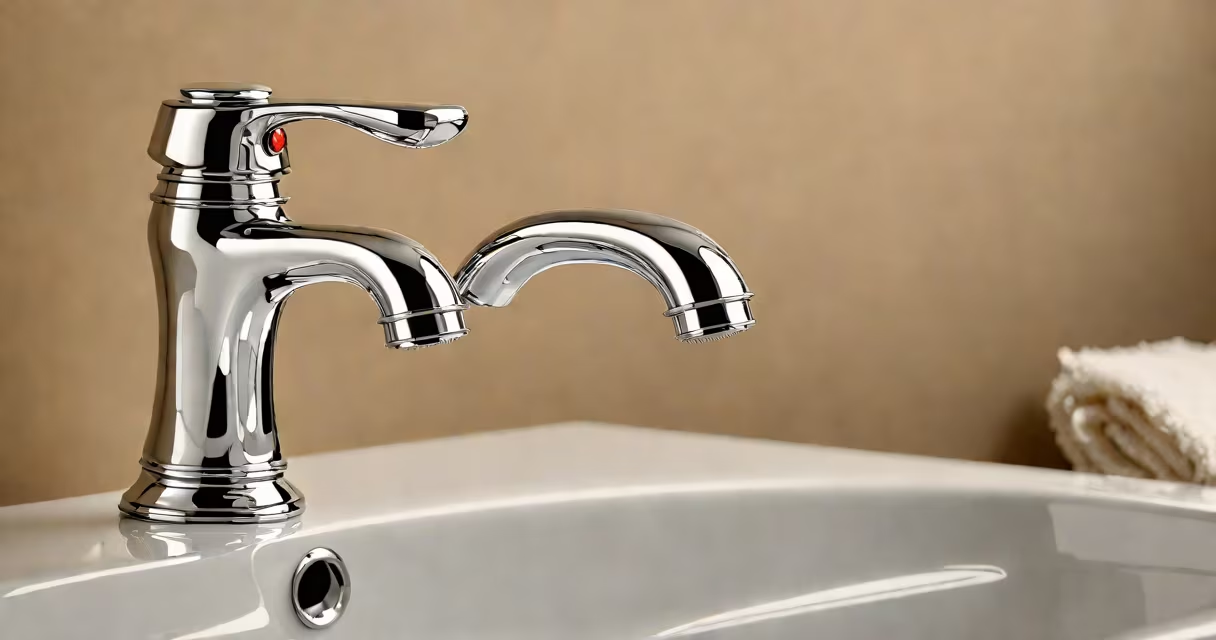
A chrome finish is a thin, durable layer of chromium deposited onto a metal substrate through electroplating, creating a bright, reflective surface resistant to corrosion and wear. It's widely used in fixtures, automotive trim, and household hardware for both function and aesthetics.
Chrome plating involves multiple steps: cleaning the base metal (usually steel or brass), applying a nickel underlayer for adhesion and corrosion resistance, then depositing a thin layer of chromium via electrolysis. The result is a hard, glossy surface that maintains its appearance under frequent use and exposure to moisture.
According to the American Society for Testing and Materials (ASTM), standard chrome finishes meet minimum thickness requirements of 0.0002 inches (5 microns) for decorative applications and higher for industrial use. This ensures longevity and resistance to abrasion.
The process begins with thorough cleaning using solvents and acid baths to remove oils, oxides, and contaminants. Any residue compromises adhesion. After rinsing, the part undergoes electroplating: it's submerged in a solution containing chromium ions and electric current is applied. Chromium deposits atom by atom onto the surface, forming a uniform layer.
For decorative chrome, a nickel layer is often added beneath the chromium. Nickel provides a smoother base, enhances brightness, and acts as a barrier against oxidation. Without it, the chromium layer may develop micro-pores over time, leading to rust underneath.
Final polishing removes any minor imperfections. The finished surface reflects light at high angles, giving it a mirror-like appearance. This reflectivity makes chrome ideal for environments where visibility and clean lines matter, such as kitchens and bathrooms.
Not all chrome finishes are the same. They differ in appearance, durability, and application method:
| Type | Description | Common Uses | Thickness (microns) |
|---|---|---|---|
| Decorative Chrome | Thin layer (2-5 μm) for visual appeal. Often includes nickel undercoat. | Faucets, door handles, showerheads | 2-5 |
| Hard Chrome | Thicker (25-100 μm), worn for wear resistance. Not typically shiny. | Industrial pistons, hydraulic rods, tooling | 25-100 |
| Brushed Chrome | Textured surface created by mechanical brushing after plating. | Furniture legs, light fixtures, modern cabinetry | 3-6 |
Brushed chrome, despite the name, is not a different metal-it's regular chrome with a matte texture achieved by sandblasting or wire brushing. It hides fingerprints and scratches better than polished chrome, making it popular in commercial spaces.
One common misconception is that chrome finish is pure chromium. It's not. The surface layer is only a few microns thick. The bulk material beneath is usually steel, brass, or aluminum. The chromium layer protects the underlying metal from wear and environmental damage.
Chrome finish appears in homes, vehicles, and factories due to its combination of strength, appearance, and cost-effectiveness. In residential settings, it's standard on bathroom and kitchen fixtures. A single-handle faucet with a chrome finish resists water spots and tarnishing over years of daily use.
In automotive design, chrome trim on bumpers, grilles, and wheels adds visual impact. While less common on new models due to weight and cost, it remains a signature feature on classic cars and luxury vehicle accents.
Industrial applications rely on hard chrome for components exposed to friction and heat. A hydraulic piston rod coated with hard chrome lasts longer under high pressure and repeated motion. According to the National Institute of Standards and Technology (NIST), hard chrome coatings can increase component lifespan by up to 300% compared to uncoated steel.
People often mistake chrome finish for stainless steel or nickel plating. Stainless steel is a solid alloy (typically 18% chromium, 8% nickel) throughout. It doesn't require plating and resists corrosion inherently. Nickel plating offers a similar silver look but lacks the hardness and reflectivity of chrome.
Another error is assuming chrome is maintenance-free. While it resists rust, it can scratch or dull over time. Abrasive cleaners or rough handling can damage the thin surface layer. Once scratched, the underlying metal may oxidize, especially in humid environments.
I once replaced a bathroom faucet with a chrome finish that had developed small pits after five years. The manufacturer's warranty covered it, but the issue stemmed from using a scouring pad instead of a soft cloth. Chrome finish requires gentle care-no steel wool, no bleach-based cleaners.
Consider a homeowner replacing a vintage brass faucet with a modern one featuring a chrome finish. The original fixture had a patina and required polishing monthly. The new model uses a 3-micron chrome layer over a brass core. It resists limescale buildup, repels water droplets, and stays bright with weekly wiping using a damp microfiber cloth.
After two years, the chrome surface shows no signs of wear. The homeowner reports easier cleaning and improved visual consistency with the rest of the bathroom's white tile and gray grout. The chrome finish maintained its integrity even during seasonal humidity spikes.
For comparison, a similar faucet with a painted finish began peeling after 18 months. Painted finishes degrade faster under moisture and UV exposure. Chrome's durability makes it a preferred choice for wet areas.
Understanding what is a chrome finish clarifies why it dominates in design and engineering. Its blend of visual appeal, corrosion resistance, and mechanical strength makes it a go-to surface treatment. When selecting hardware or fixtures, verify the finish type-decorative chrome suits interiors, while hard chrome supports heavy-duty applications.
For users seeking advanced control over device interfaces, accessing Android apps through Chrome offers a consistent experience across platforms, much like how chrome finish delivers reliability across environments.