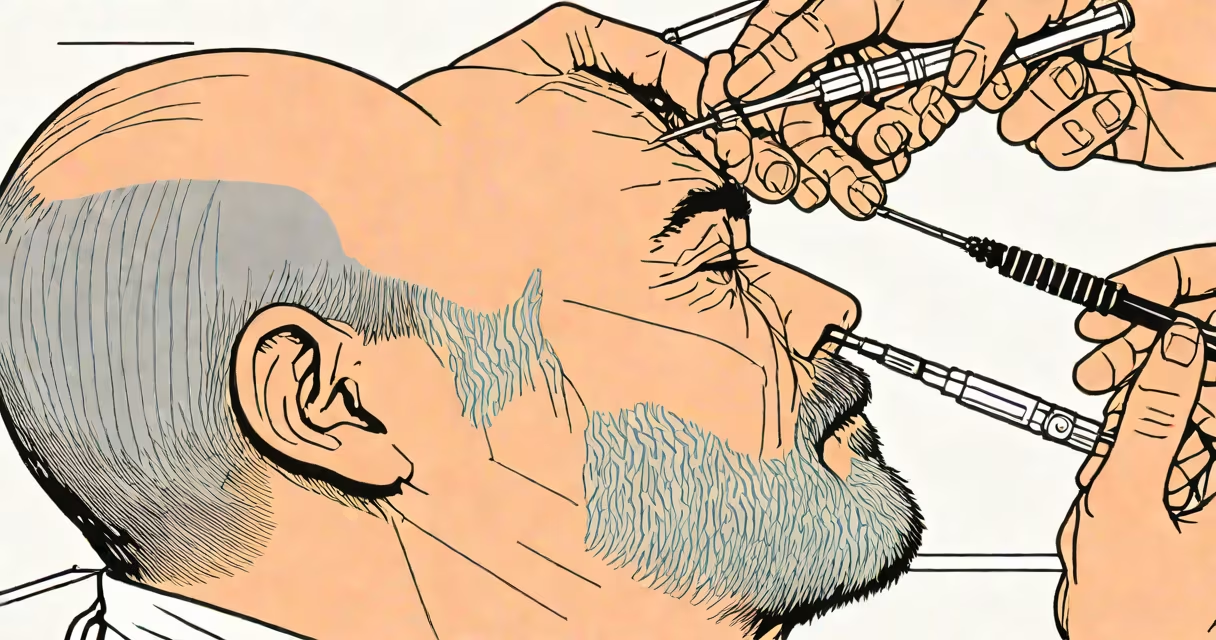
Scalp injections for hair loss involve injecting medications like corticosteroids or platelet-rich plasma directly into the scalp to reduce inflammation, improve blood flow, and stimulate dormant hair follicles. These treatments are used when topical therapies fail or when hair loss stems from autoimmune conditions like alopecia areata.
Unlike oral drugs such as finasteride or topical minoxidil, which affect the entire body or surface, scalp injections deliver precise doses to specific areas of thinning or balding. The procedure is performed in a clinical setting by a dermatologist or licensed injector using a fine needle. Common injection sites include the vertex (top of the scalp), temples, and hairline.
Patients typically receive sessions every 4 to 6 weeks, with visible results appearing after 3 to 6 months. Most treatment plans require 3 to 6 sessions before stabilization occurs. The effects are not permanent-maintenance injections are often needed to sustain regrowth.
When hair follicles enter a prolonged resting phase (telogen effluvium) or shut down due to inflammation, scalp injections aim to restart the growth cycle. Corticosteroid injections suppress immune activity in the scalp, reducing the attack on hair follicles seen in autoimmune-related hair loss. This mechanism is particularly effective in alopecia areata, where the immune system targets hair roots.
Platelet-rich plasma (PRP) injections use the patient's own blood. After drawing blood, a centrifuge separates platelets and growth factors. Injected into the scalp, these components may stimulate follicular stem cells and improve tissue repair. A 2021 study published in Dermatologic Surgery found that 76% of patients receiving PRP reported improved hair density after six sessions.
Another option is low-dose triamcinolone acetonide injections. A 2019 clinical trial showed that 80% of participants with patchy alopecia areata experienced significant regrowth after four monthly injections. The drug reduces local inflammation and prevents further follicle miniaturization.
Not all scalp injections serve the same purpose. The choice depends on the underlying cause of hair loss and the patient's medical history.
| Type | Active Ingredient | Best For | Frequency | Typical Results |
|---|---|---|---|---|
| Corticosteroid | Triamcinolone acetonide | Alopecia areata, inflammatory scarring | Every 4-6 weeks | Regrowth in 60-80% of treated patches |
| PRP (Platelet-Rich Plasma) | Autologous growth factors | Androgenetic alopecia, post-transplant recovery | Every 4-6 weeks, 3-6 sessions | Increased hair density in 70-75% of patients |
| Low-Dose Steroid + Minoxidil Mix | Triamcinolone + 5% minoxidil | Refractory androgenetic alopecia | Every 6 weeks | Improved hair count and thickness in 65% of cases |
One non-obvious distinction: PRP injections are not FDA-approved for hair loss. They are considered off-label use under the physician's discretion. The FDA does not regulate the preparation process, meaning results vary based on lab techniques and concentration levels.
Another key point: injections do not reverse scarring. If the scalp shows fibrosis or permanent follicle destruction, injections won't restore hair. A 2020 review in JAMA Dermatology confirmed that early intervention yields better outcomes-once follicles are gone, they cannot be revived.
Scalp injections are most effective for individuals with non-scarring forms of hair loss. They're prescribed when topical treatments like minoxidil fail or when rapid results are needed. Patients with androgenetic alopecia (male or female pattern baldness) may see modest gains, especially when combined with oral finasteride.
For those with alopecia areata, injections are a first-line therapy. The American Academy of Dermatology states that intralesional steroids are recommended for patchy alopecia areata affecting less than 50% of the scalp. Injections allow high concentrations of medication to reach the affected area while minimizing systemic exposure.
I once observed a 32-year-old woman with sudden patchy hair loss. She had tried minoxidil for 10 months with no improvement. After three monthly triamcinolone injections, she regrew 80% of her hair in the affected zones. Her follow-up at six months showed sustained regrowth. This case illustrates the power of targeted delivery when systemic options fail.
Many assume scalp injections are a cure-all. They are not. Hair regrowth is variable. Some patients see thickening within 3 months; others report minimal change even after six sessions. Success depends on timing, dosage, and individual biology.
Another myth: injections are painful. Most patients describe a brief pinch, similar to a vaccination. The needles used are 30-gauge-fine enough to minimize discomfort. Anesthetic cream is available upon request, though rarely needed.
Some clinics offer "hair regeneration" packages combining multiple injections with supplements and laser therapy. These bundles lack evidence-based support. The National Institutes of Health warns against unproven combinations, stating that no randomized controlled trial confirms synergy between PRP and red light therapy.
Also, scalp injections are not interchangeable with mesotherapy. Mesotherapy involves multiple shallow injections across the scalp using a cocktail of vitamins, amino acids, and enzymes. While marketed as a "natural" solution, it lacks consistent clinical validation. Unlike steroid or PRP injections, mesotherapy is not supported by major dermatology associations.
Always seek treatment from a board-certified dermatologist or a licensed injector with experience in hair loss. The procedure takes 15 to 30 minutes. Afterward, patients may feel mild swelling or bruising-common and temporary. Avoid washing the scalp for 24 hours to prevent infection.
Cost varies widely. A single corticosteroid injection ranges from $200 to $400. PRP sessions cost $600 to $1,200 per treatment. Insurance rarely covers these procedures unless tied to a diagnosed condition like alopecia areata. Out-of-pocket expenses are common.
Finally, don't confuse scalp injections with microneedling. Microneedling uses tiny needles to create micro-injuries and boost collagen. It's often paired with serums. While both are minimally invasive, microneedling doesn't deliver medication directly into tissue. Injections provide pharmacological action; microneedling provides mechanical stimulation.
Scalp injections for hair loss are not a magic fix. They are a targeted medical intervention with proven benefit in specific cases. When used correctly, they can restore confidence and appearance. But success hinges on accurate diagnosis, proper technique, and realistic expectations.
For individuals with persistent thinning or patchy hair loss, consulting a dermatologist is the first step. Not all hair loss responds to injections. Identifying the root cause-whether hormonal, autoimmune, or genetic-is critical before treatment begins.
Scalp injections for hair loss are a tool, not a solution. They work best as part of a personalized plan. Understanding their limits and benefits ensures informed decisions and better outcomes.