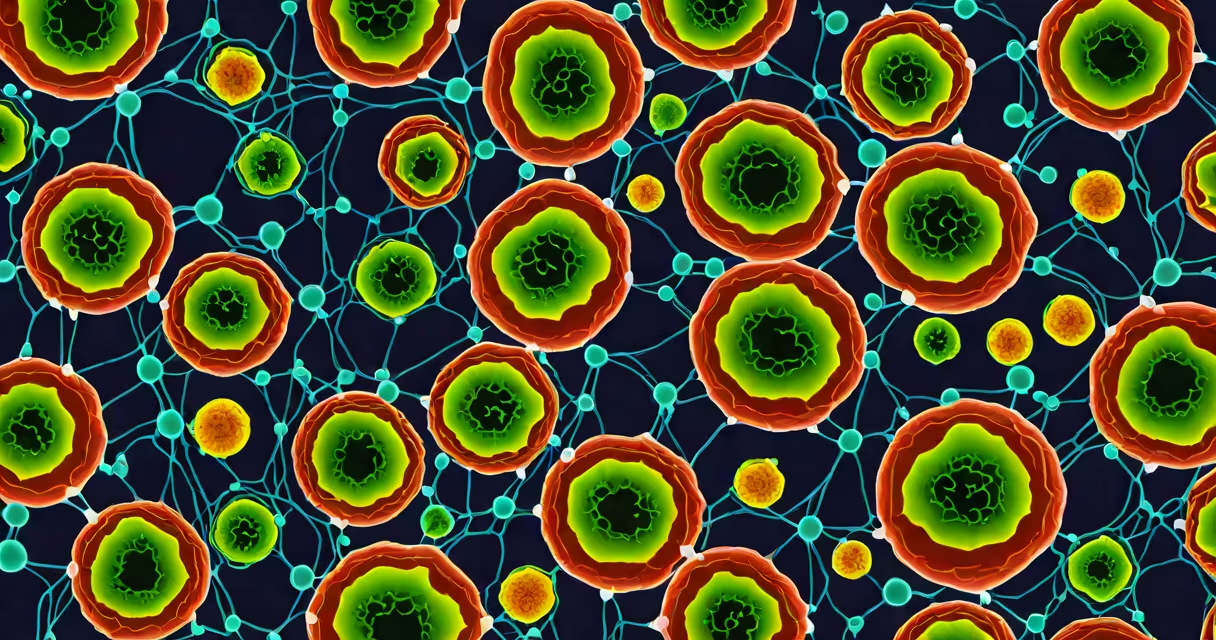
The science behind stem cells centers on their unique ability to self-renew and differentiate into various cell types, forming tissues and organs during development and repair. These cells serve as foundational units in regenerative biology and are central to emerging medical therapies.
Stem cells originate from early embryos or adult tissues and maintain an undifferentiated state until activated by internal signals or external cues. When triggered, they undergo asymmetric division-one daughter cell remains a stem cell, while the other becomes a specialized cell such as a neuron, muscle fiber, or blood cell. This process enables tissue maintenance and healing throughout life.
Researchers classify stem cells by potency-their capacity to become different cell types. Totipotent cells, found only in the earliest embryo stage, can form a complete organism. Pluripotent cells, like those derived from blastocysts, generate all body tissues but not extraembryonic structures such as the placenta. Multipotent stem cells, found in adult bone marrow or fat, produce limited lineages-such as blood cells or cartilage-but cannot form every tissue type.
Three primary categories define stem cells based on origin and potential:
| Type | Source | Potency | Key Applications |
|---|---|---|---|
| Embryonic | Blastocyst-stage embryos (5-7 days post-fertilization) | Pluripotent | Research models, disease simulation, potential organ generation |
| Induced Pluripotent (iPS) | Reprogrammed adult cells (e.g., skin fibroblasts) | Pluripotent | Personalized medicine, drug testing, reduced immune rejection risk |
| Adult (Somatic) | Bone marrow, adipose tissue, umbilical cord blood | Multipotent | Current clinical uses: blood disorders, graft-versus-host disease, some orthopedic repairs |
While embryonic stem cells offer broad developmental potential, ethical concerns surround their extraction from donated embryos. Induced pluripotent stem cells bypass this issue by reprogramming mature cells using transcription factors such as Oct4, Sox2, Klf4, and c-Myc-known collectively as the Yamanaka factors. This breakthrough, validated by Nobel Prize-winning work in 2012, allows scientists to generate patient-specific stem lines without embryo destruction.
Adult stem cells exist in niches throughout the body, maintaining tissue homeostasis. For example, hematopoietic stem cells in bone marrow continuously replenish red and white blood cells. Their natural role in repair makes them ideal candidates for transplantation, though their limited differentiation range restricts broader therapeutic use.
When injury occurs, signaling molecules like cytokines and growth factors activate nearby stem cells. These signals initiate migration to the damage site and trigger differentiation into needed cell types. In the spinal cord, for instance, neural stem cells may respond to injury by generating new neurons and glial cells to restore function.
A key challenge lies in controlling differentiation precisely. Unregulated growth can lead to teratomas-tumors composed of multiple tissue types-especially with pluripotent cells. Researchers address this through gene editing tools like CRISPR-Cas9 to insert safety switches that deactivate stem cells after a set time or upon reaching target tissue.
In 2014, a clinical trial in Japan successfully treated patients with age-related macular degeneration using retinal pigment epithelial cells derived from iPS cells. The procedure involved transplanting lab-grown cells into the eye's macula, restoring partial vision in several participants. This marked the first approved human application of iPS-derived therapy and demonstrated the feasibility of personalized regenerative treatment.
Many assume stem cells are interchangeable across types. In reality, potency determines utility. Embryonic and iPS cells can become any cell type, making them useful for modeling diseases like Alzheimer's or Parkinson's. Adult stem cells, however, are restricted-bone marrow stem cells primarily yield blood cells, not neurons. Using the wrong type risks ineffective or harmful outcomes.
Another misunderstanding is that stem cell clinics offering "rejuvenation" or "anti-aging" treatments are scientifically validated. The U.S. Food and Drug Administration (FDA) has issued warnings against unapproved stem cell injections for conditions like arthritis or back pain due to lack of evidence and risks of infection, tumor formation, or immune reactions. A 2021 FDA report found over 700 such clinics operating illegally in the United States.
Stem cells do not automatically heal tissues. Their success depends on the microenvironment-known as the niche-which provides structural support, nutrients, and molecular signals. Without proper niche conditions, transplanted cells may fail to integrate or survive.
In 2020, a team at the University of California, San Diego, conducted a phase I clinical trial using human neural stem cells to treat chronic spinal cord injuries. Six patients received injections of stem cells into the injured area. After 12 months, MRI scans showed increased tissue density at the injury site, and two patients reported improved motor function-specifically, better hand coordination and grip strength.
These results were not due to direct replacement of lost neurons. Instead, the transplanted cells released neuroprotective factors that reduced inflammation and supported surviving nerve fibers. This highlights a growing insight: stem cells often aid recovery through paracrine signaling rather than full tissue reconstruction.
During the study, researchers monitored patients for adverse events. No tumors formed, and immune responses remained minimal-likely because the cells were matched to recipients' human leukocyte antigen (HLA) profiles. This underscores the importance of donor matching even in autologous (self-derived) therapies.
Understanding the science behind stem cells reveals why they're key in advancing medicine. They allow researchers to model diseases in dishes, test drugs on human cells, and develop targeted therapies. For example, scientists have grown brain organoids-miniature, simplified versions of the brain-from stem cells to study Zika virus effects on fetal development.
Stem cells enable precision medicine. By reprogramming a patient's skin cells into iPS cells, then differentiating them into heart muscle cells, doctors can screen medications for side effects before administering them. This reduces trial-and-error prescribing and prevents serious adverse reactions.
One personal observation from working in a regenerative biology lab: the most promising results came not from high-tech equipment, but from consistent cell culture protocols. Small deviations in temperature, pH, or nutrient levels led to failed differentiation. This shows that biological systems remain sensitive-even with advanced tools.
As research progresses, the science behind stem cells continues to evolve. Current efforts focus on improving delivery methods, enhancing survival rates post-transplant, and creating synthetic niches to mimic natural environments. These advances aim to move stem cell therapies from experimental settings into routine clinical care.