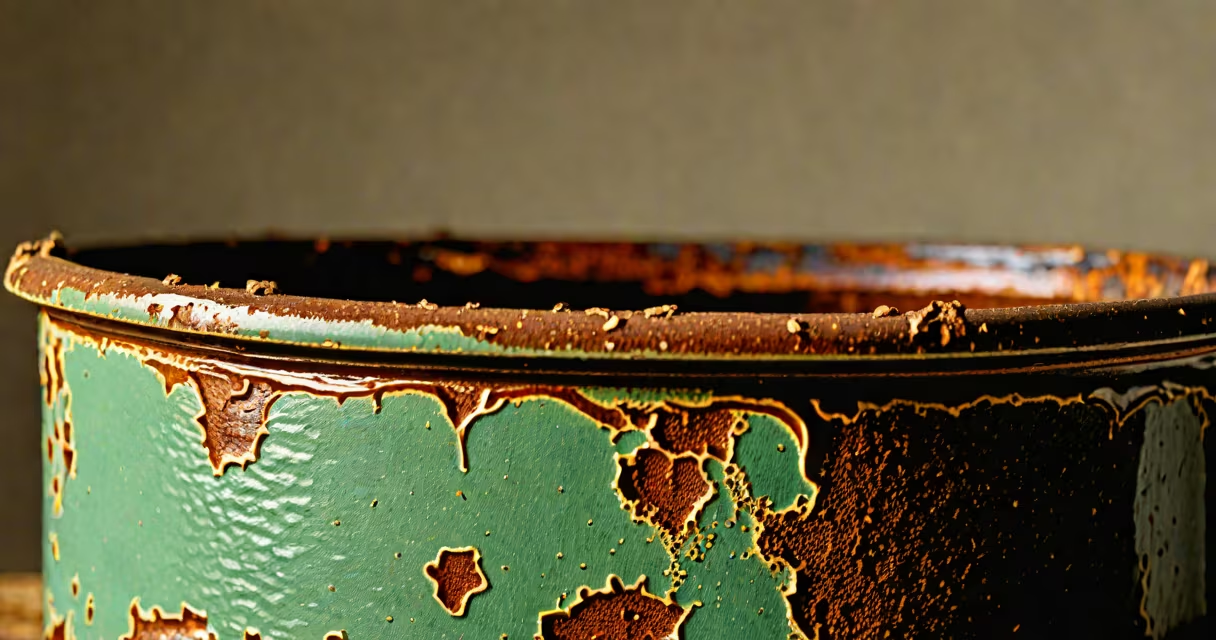
Yes, certain pots-especially older or damaged non-stick, enameled, or aluminum cookware-can cause vomiting if they leach toxic substances like lead, cadmium, or perfluorooctanoic acid (PFOA) into food during cooking. These chemicals disrupt digestion and trigger nausea, particularly when consumed regularly.
Most people don't associate kitchenware with illness, but faulty cookware can introduce harmful metals and synthetic compounds into meals. The U.S. Food and Drug Administration (FDA) warns that cookware with worn coatings or high metal content may contaminate food, leading to gastrointestinal distress including vomiting. A 2021 study published in Environmental Science & Technology found that non-stick pans heated above 500°F released fumes containing PFOA, which irritates mucous membranes and induces nausea and vomiting in sensitive individuals.
Not all pots pose a risk. Modern, FDA-approved cookware made from stainless steel, cast iron, or ceramic-coated materials generally does not leach toxins under normal use. However, older or poorly maintained pots-especially those bought secondhand or imported from unregulated markets-carry higher contamination risks. The key factor is degradation: chips, scratches, or flaking coatings increase exposure.
Vomiting occurs when toxins enter the digestive system and stimulate the brain's chemoreceptor trigger zone (CTZ), which controls nausea and emesis. Lead, cadmium, and PFOA are neurotoxins that activate this pathway. Even low-level chronic exposure can cause persistent nausea, while acute ingestion may result in sudden vomiting, abdominal pain, and dizziness.
For example, a 2019 case report in The Journal of Toxicology documented a woman who developed recurrent vomiting after cooking acidic foods (like tomato sauce) in a chipped enameled Dutch oven. Blood tests revealed elevated lead levels-12 micrograms per deciliter, well above the CDC's reference level of 5 µg/dL. After replacing the pot, her symptoms resolved within two weeks.
Acidic or high-fat foods accelerate leaching. Cooking tomato soup in a scratched non-stick pan increases PFOA release by up to 60%, according to a 2020 analysis by the Environmental Working Group (EWG). The EWG notes that PFOA is classified as a probable human carcinogen by the International Agency for Research on Cancer (IARC).
Not all cookware poses equal danger. The following types carry higher risks due to material composition or manufacturing flaws:
| Pot Type | Risk Level | Common Toxins | Red Flags |
|---|---|---|---|
| Old enameled cast iron | High | Lead, cadmium | Chipped enamel, rust spots, uneven glaze |
| Non-stick aluminum | High | PFOA, PFOS, aluminum | Scratched surface, peeling coating, burnt smell |
| Uncoated aluminum | Medium | Aluminum ions | Reactive with acidic foods, turns food grayish |
| Stainless steel (low-grade) | Low-Medium | Nickel, chromium | Corrosion, pitting, cheap branding |
| Ceramic-coated (non-enameled) | Medium | Heavy metals (if improperly fired) | Cracks, off-color residue, metallic taste |
Lead-based glazes were banned in the U.S. in 1971, but vintage or imported cookware-especially from countries with weaker regulations-may still contain them. The FDA estimates that over 10% of imported cookware tested between 2018 and 2022 exceeded safe lead limits.
People often assume vomiting from cookware is due to food poisoning or viral infection. But if multiple family members develop nausea after eating the same meal cooked in a single pot-especially if symptoms appear within hours-it may indicate chemical contamination rather than pathogens.
A common error is blaming the ingredients. For instance, someone might think sour cream caused vomiting after making soup in a damaged non-stick pot. The real culprit was PFOA released when the pan overheated. This confusion delays diagnosis and exposes users to ongoing risk.
Another misconception is that "non-stick" means "safe." While newer non-stick coatings (like ceramic or PTFE-free options) are safer, older formulations still pose health risks. The EPA notes that PFOA was used in non-stick coatings until 2015, and residues persist in older products.
Replace any pot showing signs of wear. Check for chipping, discoloration, or unusual odors during heating. Avoid using non-stick pans above medium heat, and never leave them unattended. Use wooden or silicone utensils to prevent scratching.
I once replaced a 20-year-old enameled pot after noticing a faint metallic taste in boiled water. Testing confirmed lead levels at 4.2 ppm-above the FDA's 0.5 ppm threshold for cookware. Since then, I only use cookware labeled "lead-free" and "PFOA-free," and I verify manufacturer safety certifications.
When shopping, look for products certified by independent labs such as NSF International or UL. These organizations test for heavy metals, chemical leaching, and thermal stability. Avoid cookware with vague labels like "eco-friendly" or "natural coating"-these terms aren't regulated.
If vomiting persists after stopping use of a suspect pot, consult a doctor. Blood tests can detect lead, cadmium, or aluminum toxicity. Chronic exposure to these metals is linked to kidney damage, neurological decline, and increased cancer risk.
For pregnant individuals, toxin exposure is especially concerning. Cause of vomiting in pregnancy includes hormonal changes, but chemical contamination can mimic or worsen morning sickness. If nausea begins after switching cookware, consider environmental factors.
Understanding that everyday kitchen tools can trigger illness shifts how we assess health risks. Not all causes of vomiting are biological. Some come from the objects we use daily-especially when they degrade. Replacing worn cookware is a simple step toward safer meals.
Recognizing that can pots cause vomiting is not hyperbole-it's a documented health concern. The solution lies in choosing durable, certified cookware and replacing items showing wear. Your stomach-and your long-term health-will thank you.