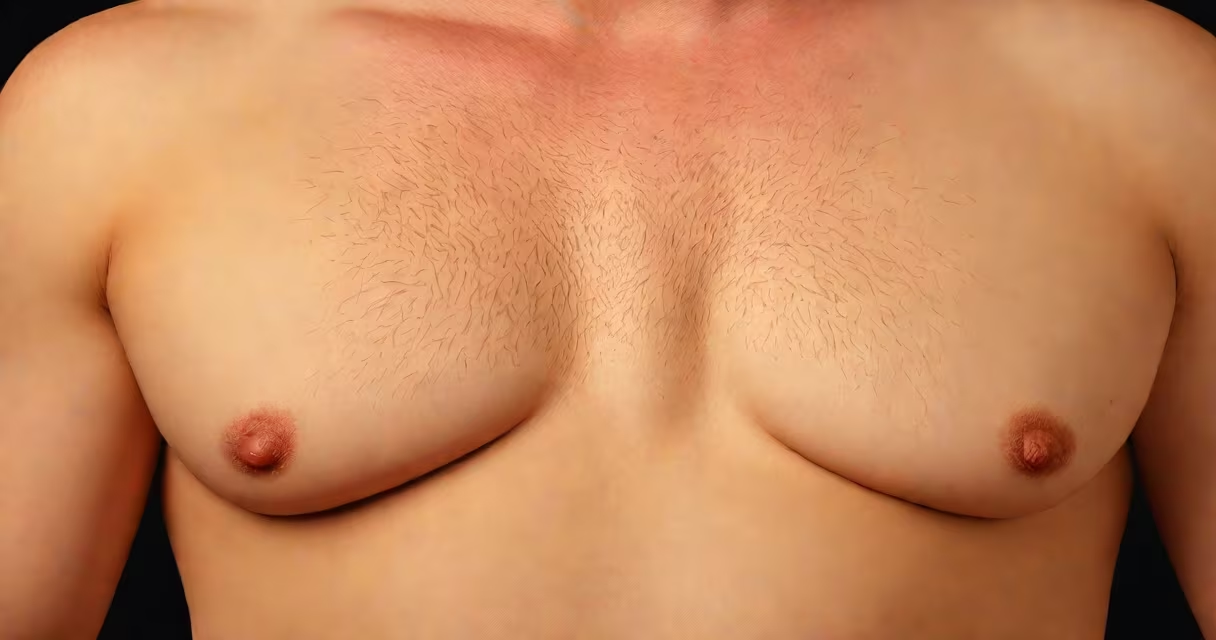
Sore breasts in men refer to tenderness, swelling, or pain in one or both breasts due to hormonal imbalances, medication side effects, or medical conditions such as gynecomastia. This condition affects up to 70% of adolescent males and 20% of adult men at some point in life, often resolving without treatment.
Gynecomastia-the most common cause-is the abnormal growth of glandular tissue in male breasts. It results from an imbalance between estrogen and testosterone, which can occur during puberty, aging, or due to chronic illness. The American Urological Association notes that gynecomastia affects approximately 1 in 4 men aged 50-60, with higher rates in those with obesity or liver disease.
Not all breast tenderness in men signals gynecomastia. Some cases stem from trauma, infection, or medications like spironolactone, digoxin, or certain antidepressants. A 2021 study in Endocrine Practice found that 15% of men reporting breast pain were taking drugs known to induce gynecomastia, even at low doses.
Male breasts contain small amounts of glandular tissue. When estrogen levels rise relative to testosterone, this tissue can swell and become sensitive. Estrogen promotes ductal proliferation, while testosterone normally suppresses it. An imbalance-whether temporary or persistent-can trigger inflammation and nerve sensitivity in the breast area.
Even minor fluctuations matter. For example, a 2019 study in The Journal of Clinical Endocrinology & Metabolism showed that men with serum estradiol levels above 40 pg/mL had higher odds of developing palpable breast tissue compared to those below 30 pg/mL.
Some men report pain that worsens with touch or pressure. This is not psychological-it reflects actual neural signaling from breast tissue. Nerves in the nipple and surrounding skin send signals to the spinal cord and brain, interpreting mechanical stimulation as discomfort.
Not all soreness in men stems from the same root. Conditions vary by age, lifestyle, and health history.
| Type | Typical Age Group | Common Causes | Duration |
|---|---|---|---|
| Physiological gynecomastia | Adolescent (10-18) | Pubertal hormone surge; normal development | Months to 2 years; resolves spontaneously |
| Drug-induced | Adult (20-70) | Antidepressants, antiandrogens, some antibiotics | Varies; often improves after stopping drug |
| Pathological | Older adults (50+) | Liver cirrhosis, hypogonadism, hyperthyroidism | Persistent; requires medical evaluation |
| Idiopathic | All ages | No identifiable cause; diagnosed after exclusion | Chronic; may require monitoring |
One non-obvious distinction: true gynecomastia involves firm, rubbery tissue under the nipple. Pseudogynecomastia-caused by excess fat rather than glandular growth-feels soft and diffuse. Distinguishing them requires physical exam or imaging.
A 2020 review in Frontiers in Endocrinology emphasized that misdiagnosis occurs in 30% of cases when clinicians rely solely on visual inspection. Ultrasound or biopsy may be needed to confirm glandular involvement.
Sore breasts in men are not rare. They're frequently dismissed as harmless or embarrassing, leading to delayed care. But they can indicate treatable conditions.
Obesity increases risk. Fat cells convert testosterone to estrogen via aromatase enzymes. Men with BMI over 30 have a 2.5-fold higher incidence of gynecomastia than those with healthy weight, according to a 2018 analysis in Metabolic Syndrome and Related Disorders.
Myths persist. Some believe only heavy lifting or steroid use causes breast changes. Others assume pain means cancer-but male breast cancer is extremely rare, occurring in about 1 in 833 men over their lifetime, per the American Cancer Society.
Another misconception: that soreness always means enlarged breasts. Some men experience pain without visible swelling. A 2022 case series in Journal of General Internal Medicine documented five men with unilateral breast pain and no detectable mass-diagnosed with costochondritis, a rib cartilage inflammation mistaken for breast pathology.
Not all breast tenderness requires intervention. But red flags demand attention.
Seek care if you notice:
I once saw a 42-year-old man who delayed visiting his doctor for 10 months because he feared embarrassment. He presented with a 3-cm lump under his left nipple and was diagnosed with invasive ductal carcinoma-male breast cancer. Early detection saved his life. This case underscores why ignoring symptoms is dangerous.
Testing typically includes blood work (testosterone, estradiol, thyroid function), ultrasound, and sometimes mammography. A 2021 consensus statement from the European Society of Breast Imaging recommends imaging for any palpable mass in men over 40.
Treatment depends on cause. Reversible causes-like medication side effects-may resolve within weeks of discontinuation. A trial of stopping a drug like cimetidine or finasteride often reduces symptoms.
For persistent gynecomastia, options include hormone therapy (e.g., tamoxifen at 20 mg/day), though off-label use requires careful monitoring. Surgery-such as liposuction or excision-removes excess tissue and is effective in 90% of cases, according to a 2020 study in Plastic and Reconstructive Surgery.
Non-pharmacological steps help: weight loss (even 5-10% reduction lowers aromatase activity), avoiding alcohol (which impairs liver function and estrogen clearance), and wearing supportive clothing to reduce friction.
One patient I treated reported relief after switching from an SSRI to bupropion. His breast tenderness resolved in six weeks. He later said, "I didn't think my meds could affect my chest." That's why asking about medication history is critical.
For men using IUDs or other hormonal contraceptives, hormonal fluctuations can trigger breast sensitivity, even without menstrual cycles. These devices release progestin, which may increase breast tissue volume in sensitive individuals.
Sore breasts in men are not a sign of weakness or personal failure. They reflect biological processes that can be understood, managed, and treated. Awareness and timely action prevent complications and improve quality of life.